Drink
Separating Taste and Aroma|Understanding Thai Cuisine and Wine Pairing
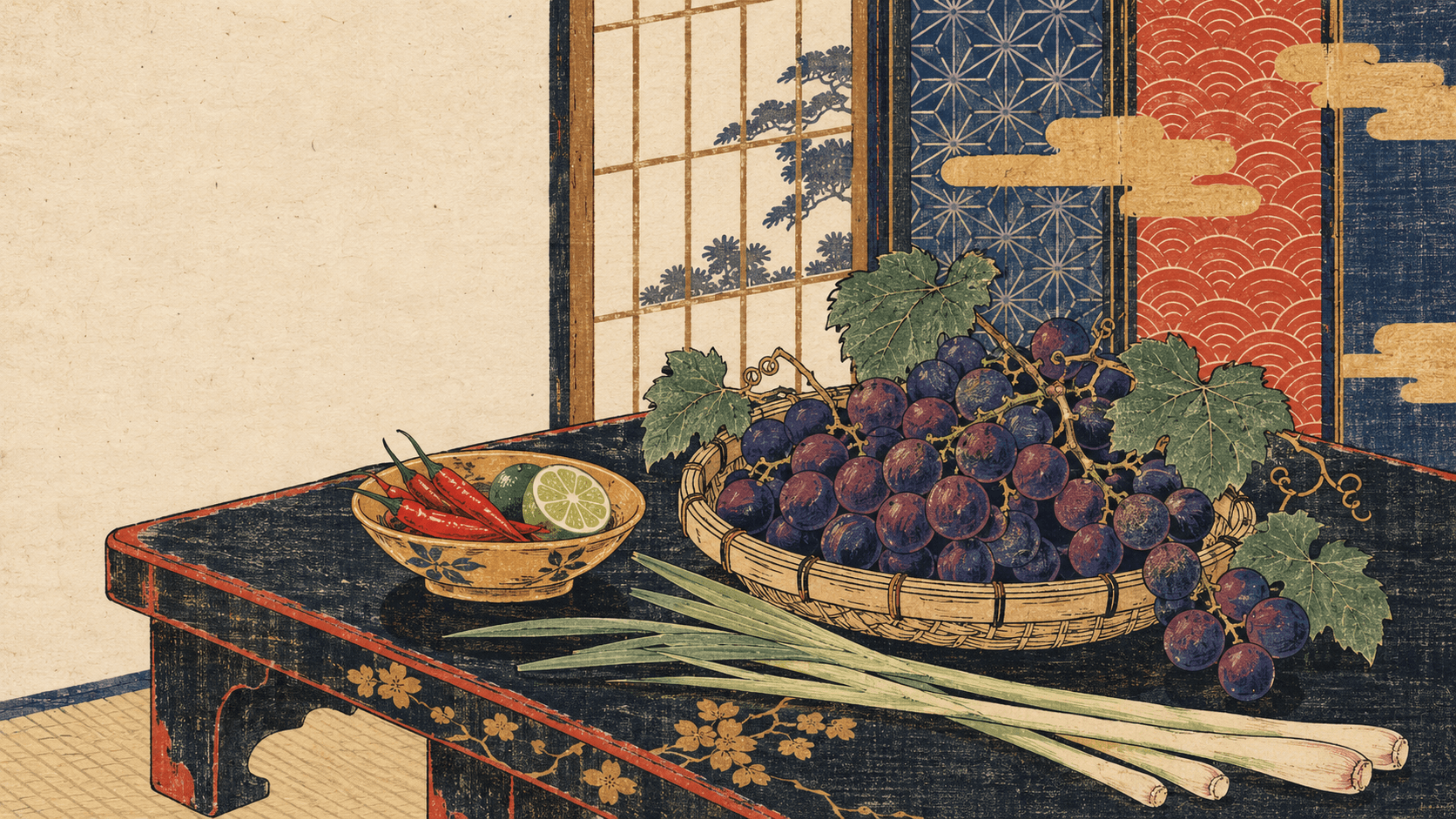
Understanding how Thai cuisine interacts with wine begins with separating five sensory dimensions: spiciness, astringency, acidity, sweetness, and aroma. The same wine can seem different depending on the food that preceded it, with shifts in perceived acidity or fruit character. Understanding why a combination works requires considering both the properties of its ingredients and how people perceive them.
A dish like som tam brings together chili heat, lime acidity, sugar sweetness, and the saltiness and umami of fish sauce. In dishes containing lemongrass or makrut lime leaves, aroma is another major element. The single name “Thai cuisine” encompasses many different combinations of flavor.
How Do Spiciness and Astringency Differ?
Capsaicin, the compound responsible for chili heat, acts on a receptor involved in sensing heat. The receptor discussed here is a protein in sensory nerve cells that detects heat and stimuli such as capsaicin. Its activity helps explain why chili can produce a burning sensation even when the food itself is cool.
Alcohol can also influence how this receptor works. In experiments using nerve cells and other cellular models, ethanol strengthened the response to capsaicin. In food and wine combinations, alcohol's irritation may add to chili heat and intensify the perceived burning sensation.
Tannins are compounds found in grape skins and seeds, among other sources. Their astringency involves interactions with proteins in saliva. Oral lubrication decreases, producing a dry or tightening sensation. Describing spice as a burning sensation and astringency as dryness or roughness helps distinguish these two experiences.
In a study evaluating the intensity of capsaicin irritation, rinsing the mouth with a 10% sucrose solution at 20°C reduced the perceived burn. A sugar-water mouth rinse and a food and wine combination involve different conditions. With wine, sugar content, alcohol strength, and acidity need to be considered together.
How the Previous Dish Changes Perceived Acidity and Sweetness
In dishes like yum woon sen, lime can make acidity a central part of the flavor. After acidic food, a wine's acidity tends to seem comparatively weaker. A wine with modest acidity may consequently seem less clearly defined in flavor.
This change in perception helps explain the familiar guideline of matching acidic food with an acidic wine. Thinking about how the acidity of both the food and the wine is perceived in the mouth makes the relationship easier to understand.
A similar comparison occurs with sweetness. After sweet food, a wine's sweetness and fruit character may become less apparent, while bitterness becomes more noticeable. Even som tam changes with the proportions of sugar and lime, so its actual balance of sweetness and acidity matters alongside the dish's name.
Shared Aromas and the Balance of the Whole Dish
Looking for aroma compounds shared by food and wine can provide a starting point for considering a combination. Aroma compounds are substances responsible for the smells we perceive. Similar aromas may create a sense of connection between a dish and a wine.
The perception of aroma varies with the types and concentrations of aroma compounds. The concentration needed for a person to detect an aroma also differs from one compound to another. Cooking the food and changing the wine's temperature can affect how aromas appear.
Lemongrass and the citrus or herbal aromas perceived in Sauvignon Blanc can be described with similar words. It is useful to distinguish “the aromas seem similar” from “the same aroma compounds are present.” Considering aromatic similarities together with acidity, sweetness, and chili heat gives a fuller picture of the dish's flavor.
Putting ‘Pairs Well’ into Concrete Terms
In food service, understanding a wine's alcohol strength, sweetness, acidity, and astringency alongside its grape variety and origin creates clearer grounds for comparing food and wine combinations. Riesling, for example, spans dry and sweet styles, so wines from the same grape can offer different combinations of flavor.
For the dish, consider whether chili heat, lime acidity, or herbal aroma is most prominent. Records of a combination can describe specific sensory changes, such as “the burning sensation increased,” “the acidity seemed gentler,” or “the herbal aroma remained noticeable.”
Keeping conditions such as ingredient proportions and serving temperature consistent makes differences between combinations easier to identify. Pairing science provides knowledge for observing and describing changes in flavor. Separating the elements within the judgment that a combination “works” also clarifies what to examine next.
Related articles
This article provides educational information about spiciness, astringency, acidity, sweetness and aroma in Thai cuisine and wine. It is not intended to promote or encourage the purchase or consumption of alcoholic beverages.
บทความนี้จัดทำขึ้นเพื่อให้ความรู้เกี่ยวกับการรับรู้ความเผ็ด ความฝาด ความเปรี้ยว ความหวาน และกลิ่นในอาหารไทยและไวน์ มิได้มีเจตนาส่งเสริมการซื้อหรือการบริโภคเครื่องดื่มแอลกอฮอล์ สำหรับผู้มีอายุ 20 ปีขึ้นไป โปรดดื่มอย่างรับผิดชอบ
Discover the culture behind every bottle
We share brewery stories, tasting notes and the craft of koji & fermentation — for educational and cultural purposes only.
เราถ่ายทอดเรื่องราวจากผู้ผลิต บันทึกรสชาติ และศาสตร์แห่งโคจิและการหมัก — เพื่อการศึกษาและวัฒนธรรมเท่านั้น
Follow on Instagram Facebook