
Drink
Taming the Bubble: The Technical Evolution of Champagne
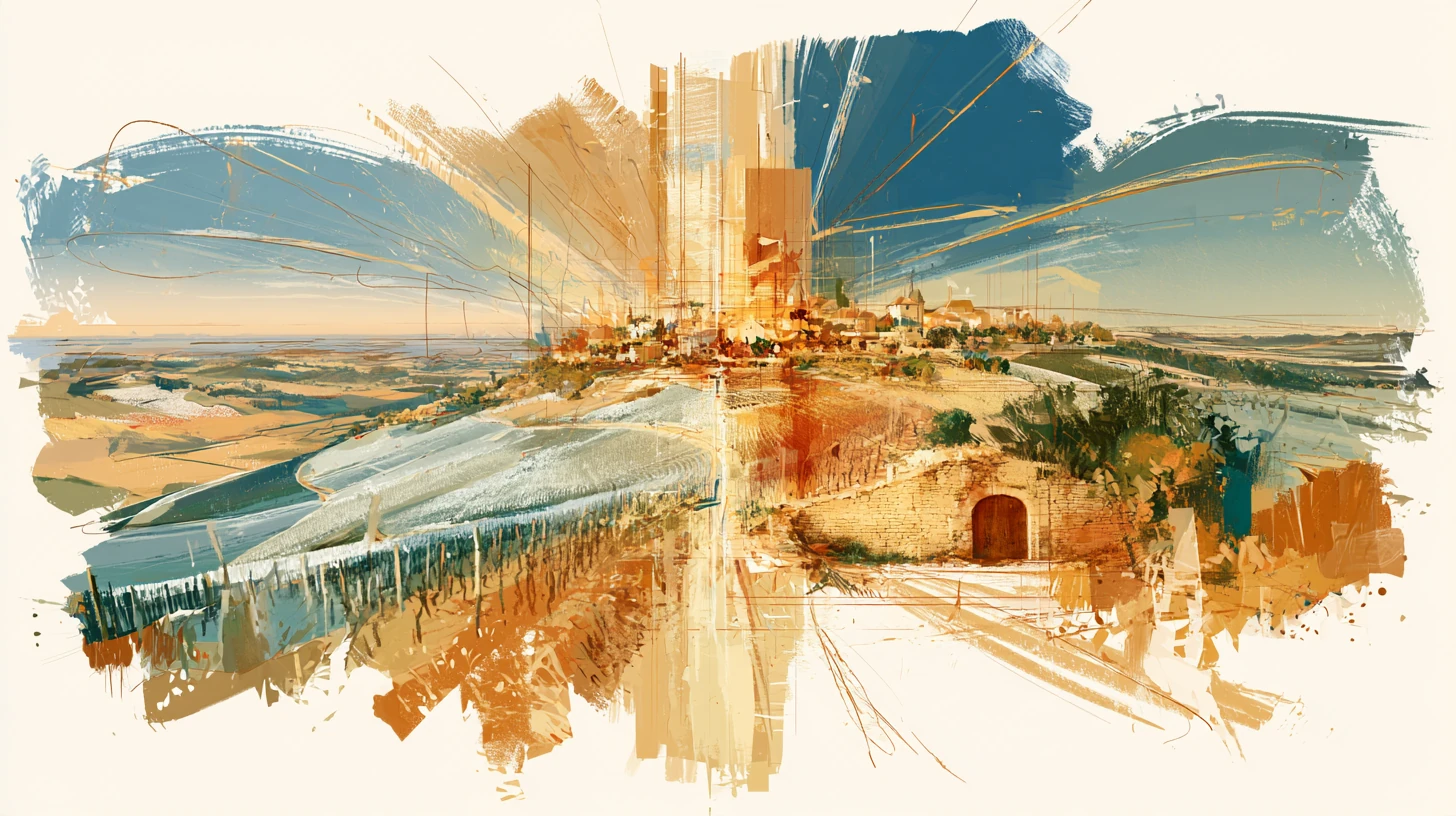
When we think of Champagne, we imagine a sparkling wine. In the past, however, its bubbles could also cause bottles to burst and wine to be lost.
Champagne is made in the Champagne region of France under set conditions. To make sparkling wine as we know it today, producers had to understand how bubbles form and develop the bottles, stoppers, and production methods.
When Winter Paused Fermentation|And Spring Restarted It
The effervescence in Champagne stems from carbon dioxide generated during alcoholic fermentation, as yeast metabolizes grape sugars into alcohol and gas. In Champagne’s cool northern climate, winter temperatures historically caused yeast activity to stall or cease before fermentation was complete. When residual sugars and viable yeast remained in the wine, warming spring temperatures would reactivate the process.
With the wine already sealed, the newly generated carbon dioxide had nowhere to escape. The resulting internal pressure could shatter glass that was not engineered to withstand it. Before this cycle was scientifically understood, both the occurrence of effervescence and the structural integrity of the bottles remained unpredictable.
From Accidental Sparkle to Controlled Secondary Fermentation
Between the late 17th and early 18th centuries, the intentional production of sparkling wine began to take root in Champagne. Breakthroughs in glassmaking yielded robust bottles capable of handling high internal pressure, while cork stoppers provided an airtight seal to retain carbon dioxide. In the 19th century, precise measurements of sugar additions allowed winemakers to better control pressure development.
In the traditional method (méthode champenoise) practiced today, winemakers first produce a still base wine, or vin clair, allowing the carbon dioxide from initial alcoholic fermentation to dissipate.
This base wine is then bottled with a liqueur de tirage, a mixture of wine, sugar, and yeast, and sealed. A second alcoholic fermentation, known as the prise de mousse, occurs entirely within the sealed bottle, generating trapped carbon dioxide that dissolves into the liquid under pressure. When opened, the release of pressure causes the dissolved gas to rise as bubbles.
The sugar added in the liqueur de tirage serves exclusively as the fuel for yeast during this secondary fermentation, distinguishing it entirely from any sugar introduced later during the dosage stage.
Clarification Without Compromise: Removing the Lees
After fermentation, sediment made up of yeast and other matter remains. This is called lees. Producers leave the wine with the lees for a while, then remove them before shipping.
Before release, this sediment must be removed while preserving as much dissolved carbon dioxide as possible.
Through remuage, or riddling, bottles are systematically rotated and tilted so the sediment collects in the bottle neck. This task is performed today either by hand or mechanically via gyropalettes.
In a widely used modern disgorgement method, the neck of the bottle is subsequently submerged in a freezing solution, locking the sediment within a small ice plug. During dégorgement (disgorgement), the temporary seal is removed, and the internal pressure expels the frozen plug. This technique clarifies the wine while limiting loss of volume and effervescence. The refinement of riddling and disgorgement in the 19th century was instrumental in creating the clear Champagne produced today.
Understanding Dosage Zero
Following disgorgement, the small amount of liquid lost is replaced with a liqueur d’expédition. Depending on the intended style, this mixture may combine wine with a measured amount of sugar. This final adjustment, known as dosage, balances acidity and sweetness.
Bacchus Global carries Champagne made by Bruno Paillard. BRUNO PAILLARD Dosage Zero M.V. provides an example of the distinction between sugar for fermentation and sugar at finishing: it is crafted without any sugar added at the dosage stage. The designation “Dosage Zero” refers specifically to the complete absence of added sugar in the liqueur d’expédition post-disgorgement.
This does not imply that sugar was omitted throughout the entire winemaking process. The sugar introduced with the liqueur de tirage remains essential for triggering secondary fermentation and creating effervescence. Dosage occurs at a later stage and serves a different purpose.
A Champagne can therefore complete secondary fermentation and achieve full effervescence without receiving any sugar at dosage. Equally, “zero dosage” does not guarantee that the finished wine is entirely devoid of naturally occurring residual sugars.
What began as an erratic cellar hazard has been transformed into Champagne’s defining characteristic. Stronger glass, measured sugar additions, secondary fermentation in bottle, lees ageing, riddling, disgorgement, and dosage together elevated effervescence from a winemaking risk into a mastered element of style. The bubbles in Champagne are not merely a natural phenomenon, but the synthesis of microbiology, structural engineering, and centuries of technical development.
Related article
Related product information
This article explains the history and production methods of Champagne, including secondary fermentation, sediment removal and dosage, with an example from Bruno Paillard, for educational purposes only. It does not promote the purchase or consumption of alcohol. Intended for readers aged 20 and over.
บทความนี้อธิบายประวัติและกระบวนการผลิตแชมเปญ รวมถึงการหมักครั้งที่สอง การขจัดตะกอน และการเติมน้ำตาลในขั้นตอนสุดท้าย โดยยกตัวอย่างจาก Bruno Paillard เพื่อการศึกษาเท่านั้น มิได้มีเจตนาส่งเสริมการซื้อหรือการบริโภคเครื่องดื่มแอลกอฮอล์ สำหรับผู้อ่านอายุ 20 ปีขึ้นไป
Discover the culture behind every bottle
We share brewery stories, tasting notes and the craft of koji & fermentation — for educational and cultural purposes only.
เราถ่ายทอดเรื่องราวจากผู้ผลิต บันทึกรสชาติ และศาสตร์แห่งโคจิและการหมัก — เพื่อการศึกษาและวัฒนธรรมเท่านั้น
Follow on Instagram Facebook
