Drink
Why Wine Professionals Study Sake at the Source
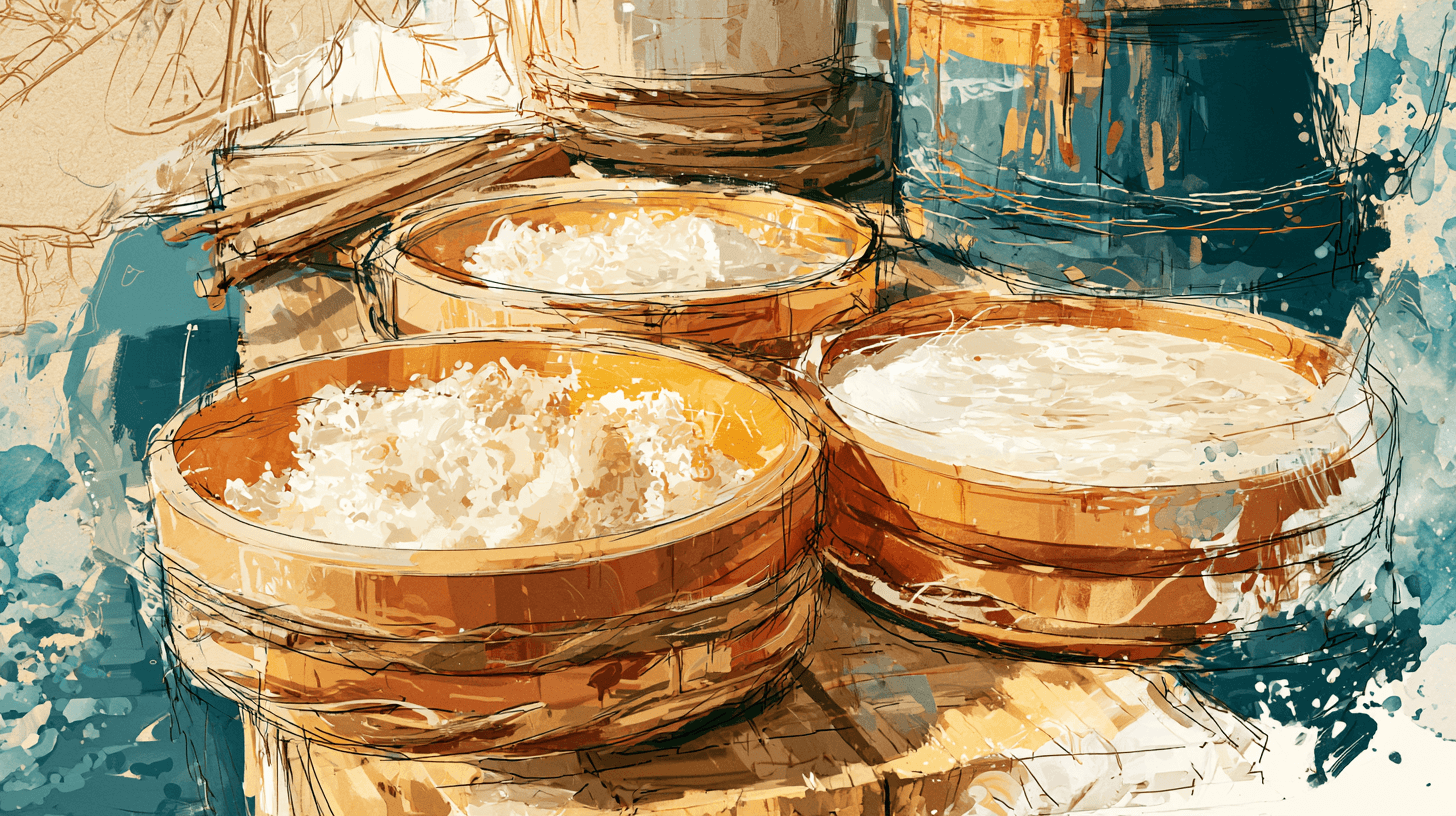
Seeing how sake is made and speaking with the people who make it can help wine professionals explain it in clear, accessible terms.
“How is sake made from rice?”
When a guest asks this question in a restaurant, the answer needs to make sense even to someone encountering sake for the first time. Knowing the ingredients is a useful start. Understanding the path from rice to sake makes the explanation more specific.
In November 2025, the Japan Sake and Shochu Makers Association (JSS) invited wine professionals from overseas to take part in a training program in Japan’s Tohoku region. JSS is an association whose members include sake and shochu producers. The five participants came from France, Spain, Poland, Vietnam and Brazil.
Learning How Rice Becomes Sake
Over five days, the group visited seven sake breweries, one research institution and a producer of tane-koji, or koji starter. The itinerary covered more than brewery work. It also introduced the people who supply an essential brewing material and those who study brewing techniques.
Tane-koji is a material containing koji mold spores that is used to make koji. When it is added to steamed rice and the mold is cultivated, the result is kome-koji, or rice koji.
Enzymes produced by the koji mold break rice starch into sugar. Enzymes help reactions such as the breakdown of a substance. Yeast, a different microorganism, then converts the sugar into alcohol.
Grape juice, the raw material for wine, already contains sugar. Sake production requires an additional process that changes rice starch into sugar. For someone familiar with winemaking, this difference provides a useful way to understand how sake is made.
The varieties of rice and yeast, as well as the degree to which the rice is polished, also affect the character of sake. Visiting several breweries lets participants see which materials each producer selects and how its production methods differ.
Participants Bring What They Learned Home
JSS intends the participants to teach others about sake and introduce it in their home countries after the program.
Wine professionals already have experience explaining ingredients, regions and production methods. When firsthand observations from breweries are added to that experience, they can describe sake production step by step and explain it through careful comparisons with wine.
For example, simply saying that sake uses koji does not explain its role to someone new to the subject. Adding that koji is used to change rice starch into sugar makes clear why it is needed. Describing in order how steamed rice becomes rice koji also makes the work easier to picture.
This kind of explanation can support staff education in restaurants outside Japan. An initial understanding of sake as “an alcoholic beverage made from rice” can lead to more specific questions: What kind of rice does this brewery use? Why does it follow this particular method?
A Place to Continue Learning
The Kikisake-shi Forum 2026 is scheduled for September 18 and 19, 2026, at Aore Nagaoka in Nagaoka, Niigata Prefecture.
Kikisake-shi is a professional qualification for applying knowledge of sake characteristics and service in settings such as customer service. Its curriculum includes serving temperatures and the selection of vessels. According to the official information from the Sake Service Institute (SSI), the forum is scheduled to include lectures, exchanges of views and workshops comparing the characteristics of different sake.
Putting what has been learned into words often brings new questions. Opportunities to speak with producers and peers can turn those questions into the next stage of learning.
Participants share what they saw at breweries with colleagues after returning home. Questions from those colleagues lead them to research again or ask producers for further explanation. Through this repeated process, their understanding grows and their explanations become clearer. Programs that train people to communicate sake can provide a starting point for a cycle of learning at the source, explaining to others and discovering new questions.
This article explores sake education and the transmission of brewing knowledge and culture. It does not promote the purchase or consumption of alcohol. Intended for readers aged 20 and over.
บทความนี้นำเสนอการเรียนรู้เกี่ยวกับสาเกและการถ่ายทอดความรู้ด้านการผลิตและวัฒนธรรม มิได้มีเจตนาส่งเสริมการซื้อหรือการบริโภคเครื่องดื่มแอลกอฮอล์ สำหรับผู้อ่านอายุ 20 ปีขึ้นไป
Discover the culture behind every bottle
We share brewery stories, tasting notes and the craft of koji & fermentation — for educational and cultural purposes only.
เราถ่ายทอดเรื่องราวจากผู้ผลิต บันทึกรสชาติ และศาสตร์แห่งโคจิและการหมัก — เพื่อการศึกษาและวัฒนธรรมเท่านั้น
Follow on Instagram Facebook