Drink
Tracing Acidity: How Asia’s Bar Scene Reframes Regional Flavor
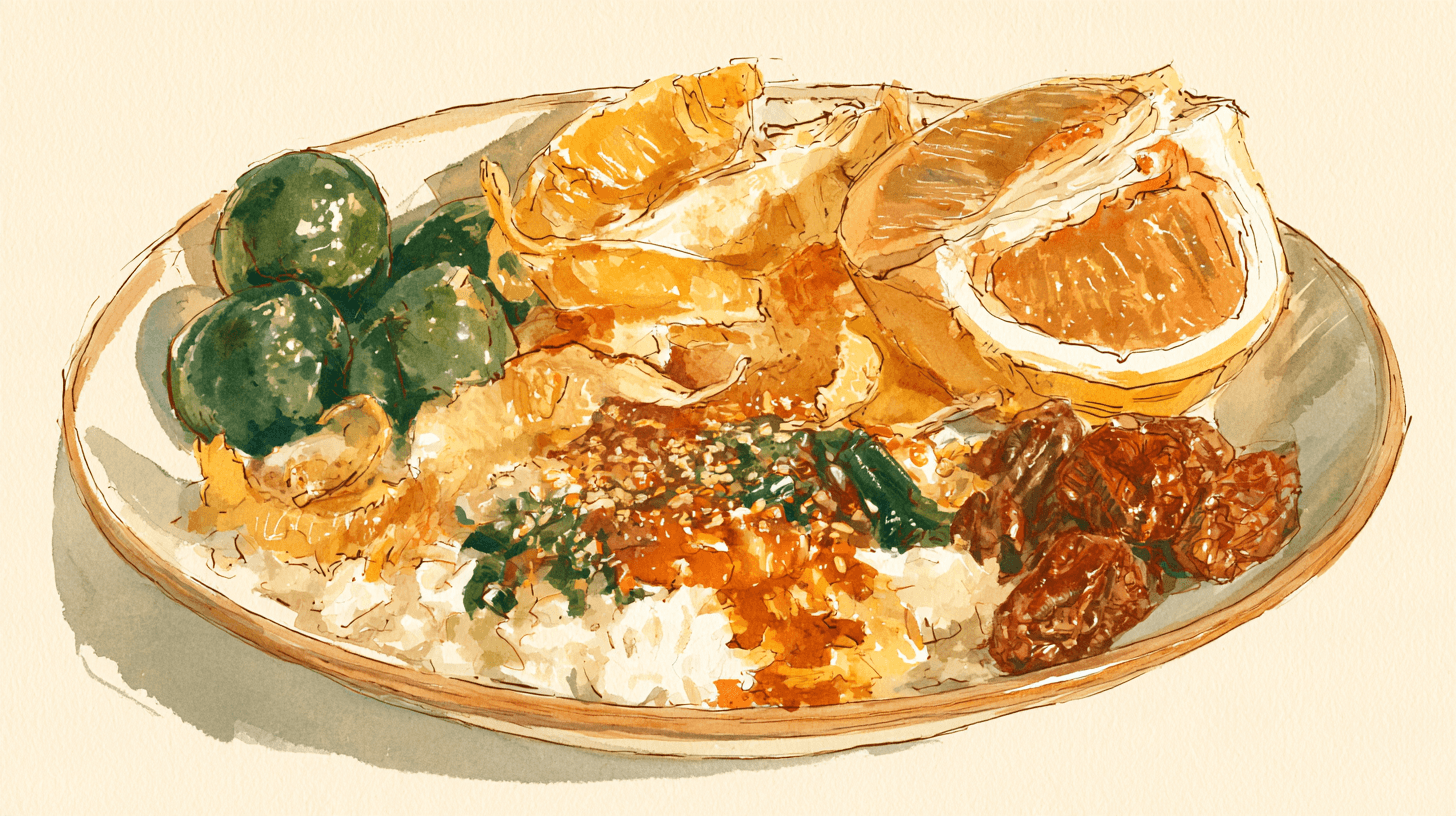
A cocktail description may mention “citrus acidity” without explaining which fruit was used or how it was prepared. Was its juice squeezed, or was preserved fruit used? If the peel was used to extract aroma, that needs a separate explanation from acidity.
In January 2026, a beverage industry publication asked 15 professionals in Asia’s bar industry about their outlook for the year. A director of bars at a Bangkok hotel highlighted “regional acidity.” The examples were unripe fruit, local citrus and handcrafted vinegars. The idea is to look within regional food cultures for ingredients and prepared products that contribute acidity.
This idea takes descriptions of drinks beyond “sweet” and “sour.” Which fruits or grains grow in a region, and how have people processed them and used them in drinks? That process, too, offers clues to understanding regional flavor.
Looking at Acidity Through Fruit Names
The bar director also mentioned pomelo, tangerine and calamansi as ingredients rooted in Thai food culture. Pomelo is a large citrus fruit, tangerine is a type of mandarin, and calamansi is a small citrus fruit.
All are citrus fruits, but they are not the same fruit. When used in drinks, aroma, sweetness and bitterness matter alongside acidity. Juice and peel also serve different roles, so saying only that a drink “uses citrus” does not fully explain its characteristics.
For example, an explanation can distinguish the use of fruit juice for acidity from the use of peel for aroma. With unripe fruit, we can also consider why it was chosen before ripening. To understand a regional ingredient, we need to know its name and origin, as well as which part is used and when it is harvested.
Preserved Foods Can Also Be Drink Ingredients
The search for regional flavor is not limited to freshly harvested fruit.
At a bar in Kathmandu, Nepal’s capital, the menu is built around preservation, drying and fermentation techniques passed down in mountain regions. Its official menu also includes a cocktail made with Khattu, a confection made from preserved fruit. Khattu is a sweet and sour confection made from salted and dried fruit, including plums.
Here, processing techniques passed down to preserve fruit are also used in making drinks. Unlike the use of juice from fresh fruit, these ingredients have undergone salting, drying or other processing. Including these steps in an ingredient description also reveals something of the region’s food culture.
The bar also combines local ingredients with internationally known cocktails. Incorporating traditional foods into another form of drink is one way to express regional flavor.
When a familiar local food is used as an ingredient, people who know it can connect a drink’s description with everyday dishes and sweets. Using familiar food culture to understand a drink’s characteristics is one reason to pay attention to regional flavor.
Understanding Acidity Produced by Fermentation
Alongside acidity naturally present in fruit, some acidity comes from the activity of microorganisms. Vinegar is one example. During vinegar production, acetic acid bacteria convert alcohol into acetic acid, which contributes to its sourness. Knowing the raw materials and how they were fermented allows its characteristics to be described more precisely.
Sake acidity can also be considered through fermentation. Enzymes produced by koji mold break down rice starch into sugars. Yeast produces alcohol from those sugars and also generates acids such as malic acid and succinic acid during fermentation. Even without added fruit, compounds associated with acidity form during sake production.
However, the names of compounds alone cannot easily explain taste. Sake also contains sugars and amino acids, and the amount of acid alone does not determine whether it is perceived as sweet or dry. A description that looks at ingredients and fermentation can explain its characteristics more precisely than the broad label “a drink made from rice.”
Distinguishing Citrus Aroma from Juice Acidity
The role of regional ingredients in an alcoholic drink also depends on how it is made.
SAKURAO GIN ORIGINAL, made by Sakurao Distillery in Hiroshima Prefecture, uses botanicals including citrus grown in Hiroshima Prefecture. It combines steeping botanicals in alcohol with passing vapor through them, extracting aroma through distillation.
This method cannot be treated as the same process as squeezing and adding fruit juice. A citrus-like aroma and acidity derived from fruit juice are different pieces of information. Even when the same fruit is named, checking what is being extracted and at which stage the fruit is used makes the explanation clearer.
When introducing Japanese alcoholic drinks at a bar in Bangkok, these production methods can be explained alongside the place of origin and ingredients. Descriptions can go beyond short phrases such as “uses citrus” or “fermented” to specify the parts used and the processing steps.
To understand “regional acidity,” we can look at ingredient selection and processing as well as the intensity of sourness. Which part of the fruit is used, and how has it been preserved? What does fermentation produce, and what does distillation extract? Tracing drink ingredients this far allows regional flavor to be explained through both raw materials and processing.
Related articles
- The Architecture of Flavor: Defining the Four Expressions of Sakurao Distillery
- Why Bangkok Bars Ask: “Why Japanese Spirits?”
Product information
This article explores regional ingredients, preservation, fermentation and distillation in Asian bar culture, including the production of SAKURAO GIN ORIGINAL at Sakurao Distillery, for educational purposes. It does not promote the purchase or consumption of alcohol. Intended for adults aged 20 and over.
บทความนี้จัดทำขึ้นเพื่อให้ความรู้เกี่ยวกับวัตถุดิบท้องถิ่น การถนอมอาหาร การหมัก และการกลั่นในวัฒนธรรมบาร์เอเชีย รวมถึงการผลิต SAKURAO GIN ORIGINAL ที่ Sakurao Distillery มิได้มีเจตนาส่งเสริมการซื้อหรือการบริโภคเครื่องดื่มแอลกอฮอล์ สำหรับผู้มีอายุ 20 ปีขึ้นไป
Discover the culture behind every bottle
We share brewery stories, tasting notes and the craft of koji & fermentation | for educational and cultural purposes only.
เราถ่ายทอดเรื่องราวจากผู้ผลิต บันทึกรสชาติ และศาสตร์แห่งโคจิและการหมัก | เพื่อการศึกษาและวัฒนธรรมเท่านั้น
Follow on Instagram Facebook