
Drink
The Aroma of Sweets as a Starting Point for a Spirit|A Thai Bar’s Concept and a Distillery’s Production
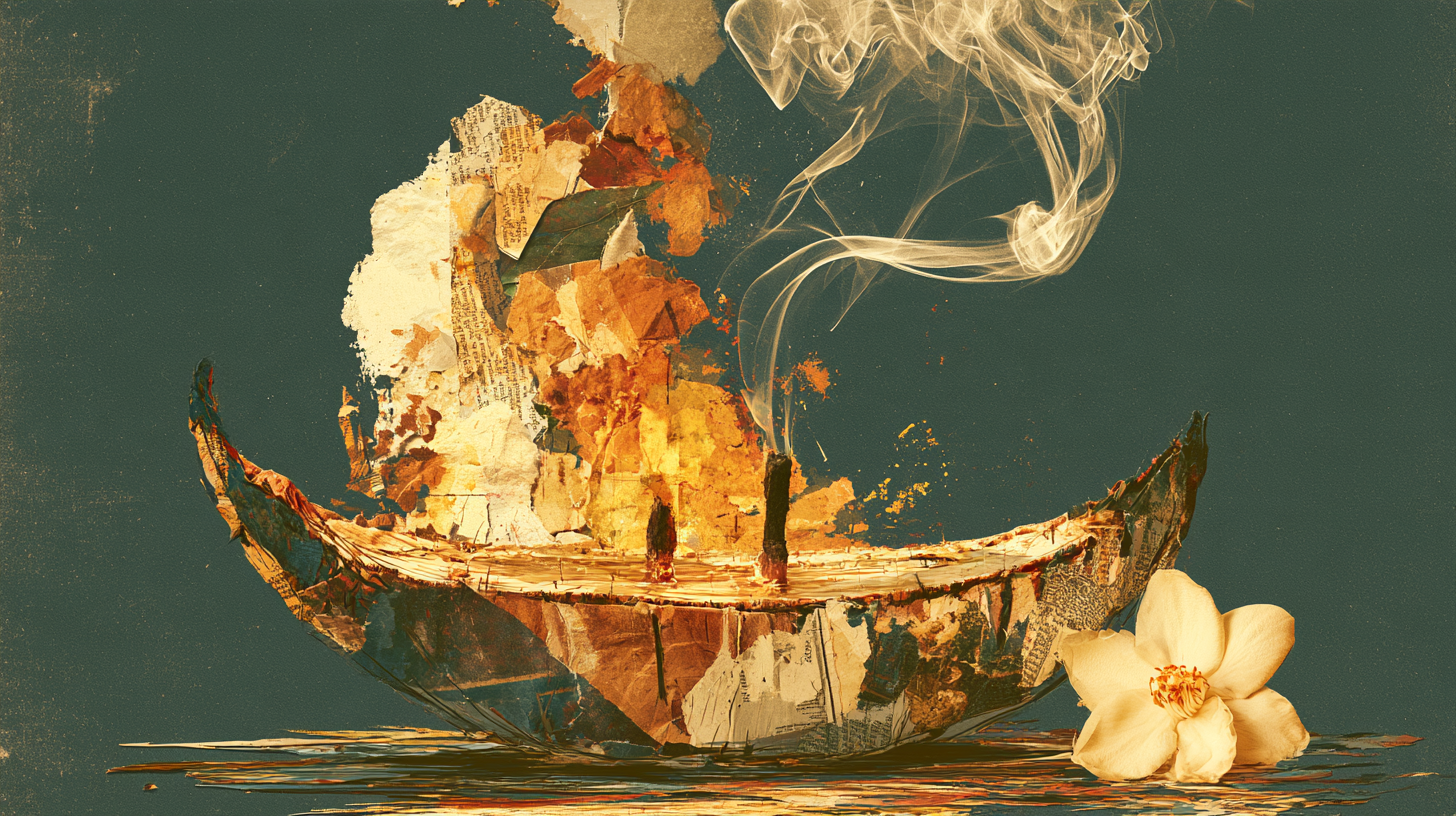
A candle is extinguished, and its smoke is trapped inside a container. Thai sweet-making includes this technique for imparting aroma. Unlike adding sugar or flour, it is a way of adding an invisible fragrance to food.
One bar has drawn on this culinary tradition as inspiration for a spirit. An October 2026 report described a spirit developed by a Bangkok venue and produced at a distillery in Thailand. Considering the connection between a traditional tool for scenting sweets and a contemporary bar reveals a starting point for development that an ingredient list alone cannot explain.
From Ingredient Names to How They Are Used
The scented candles used in Thailand are tools for surrounding sweets and other foods with fragrant smoke. The container is covered while the aroma is transferred. This differs from incorporating an aromatic ingredient directly into a dough or batter.
The spirit was reported to use ingredients including jasmine, cacao husks and coriander seeds, with many ingredients sourced from different parts of Thailand. Plant-derived ingredients used for flavor and aroma are also known as “botanicals.”
An ingredient list reveals flowers, seeds and husks. Set those alongside the tradition of imparting aroma to sweets, and the way we look at development changes. Beyond asking where the plants were grown, another question emerges: how have people in those places worked with aroma?
Familiar culinary traditions contain techniques whose other possible uses can still be explored. In this example, a method for scenting sweets became a starting point for thinking about a new spirit.
From a Bar’s Idea to Production at a Distillery
The venue had reportedly already developed soda for use in its own drinks. Developing a spirit next can be read as an extension of its work on ingredients, from soda to spirits.
Production was handled by a separate distillery. Small-batch production was also reported. The bar developed the spirit, and another distillery produced it. Concept development and manufacturing took place in different locations.
When considering the connection between these roles, one possible task is describing the intended aroma clearly. Even a request such as “We want a floral aroma” can lead to different results depending on whether flowers should take the central role or add a slight layer to other aromas. Agreeing on ingredient names alone does not communicate the whole picture.
The bar’s knowledge of how it would use the spirit and the distillery’s knowledge of how to handle the ingredients can be brought together to work toward a shared understanding of the intended result. This is one possible example of the work connecting concept development and production that this case invites us to consider.
How much will the bar develop itself, and which parts will it entrust to the producer? Becoming more involved in product development also means deciding where those responsibilities lie. Cooperation between those with production facilities and those with an idea for an aroma creates a route from an interest developed within a bar to the design of a product.
What to Explain Beyond “Made in Thailand”
For those responsible for purchasing, the spirit’s background contains distinct pieces of information: the origins of its ingredients, where it was produced and the venue that developed it. Each can be traced beyond the brief description “made in Thailand.”
For example, alongside naming jasmine as an ingredient, explain that the inspiration came from a tradition of imparting aroma to food. Add that the bar developed the concept and a distillery in Thailand handled production. This makes it possible to explain not only which ingredients were used, but also who did which part of the work.
A connection with place is not limited to sourcing ingredients. Looking at inherited tools and culinary techniques can also reveal a local connection in how ingredients are used.
Smoke is trapped in a container holding sweets, transferring its aroma to them. That small act can become the starting point for a spirit. A bar’s idea, born from looking again at a longstanding culinary tradition, meets a distillery’s skill in bringing it into production. What this example reveals is the connection between those two kinds of work.
This article presents educational and cultural information about Thai culinary scenting traditions and the roles of concept development and production in spirits. It does not promote the purchase or consumption of alcohol. Intended for readers aged 20 and over.
บทความนี้นำเสนอข้อมูลเพื่อการศึกษาและวัฒนธรรมเกี่ยวกับการอบกลิ่นอาหารของไทย ตลอดจนบทบาทของการพัฒนาแนวคิดและการผลิตสุรากลั่น มิได้มีเจตนาส่งเสริมการซื้อหรือการบริโภคเครื่องดื่มแอลกอฮอล์ สำหรับผู้อ่านอายุ 20 ปีขึ้นไป
Discover the culture behind every bottle
We share brewery stories, tasting notes and the craft of koji & fermentation | for educational and cultural purposes only.
เราถ่ายทอดเรื่องราวจากผู้ผลิต บันทึกรสชาติ และศาสตร์แห่งโคจิและการหมัก | เพื่อการศึกษาและวัฒนธรรมเท่านั้น
Follow on Instagram Facebook
