Drink
How Do Yuzu and Tea Leaves Give Gin Its Aroma? | The Making of Japanese Craft Gin
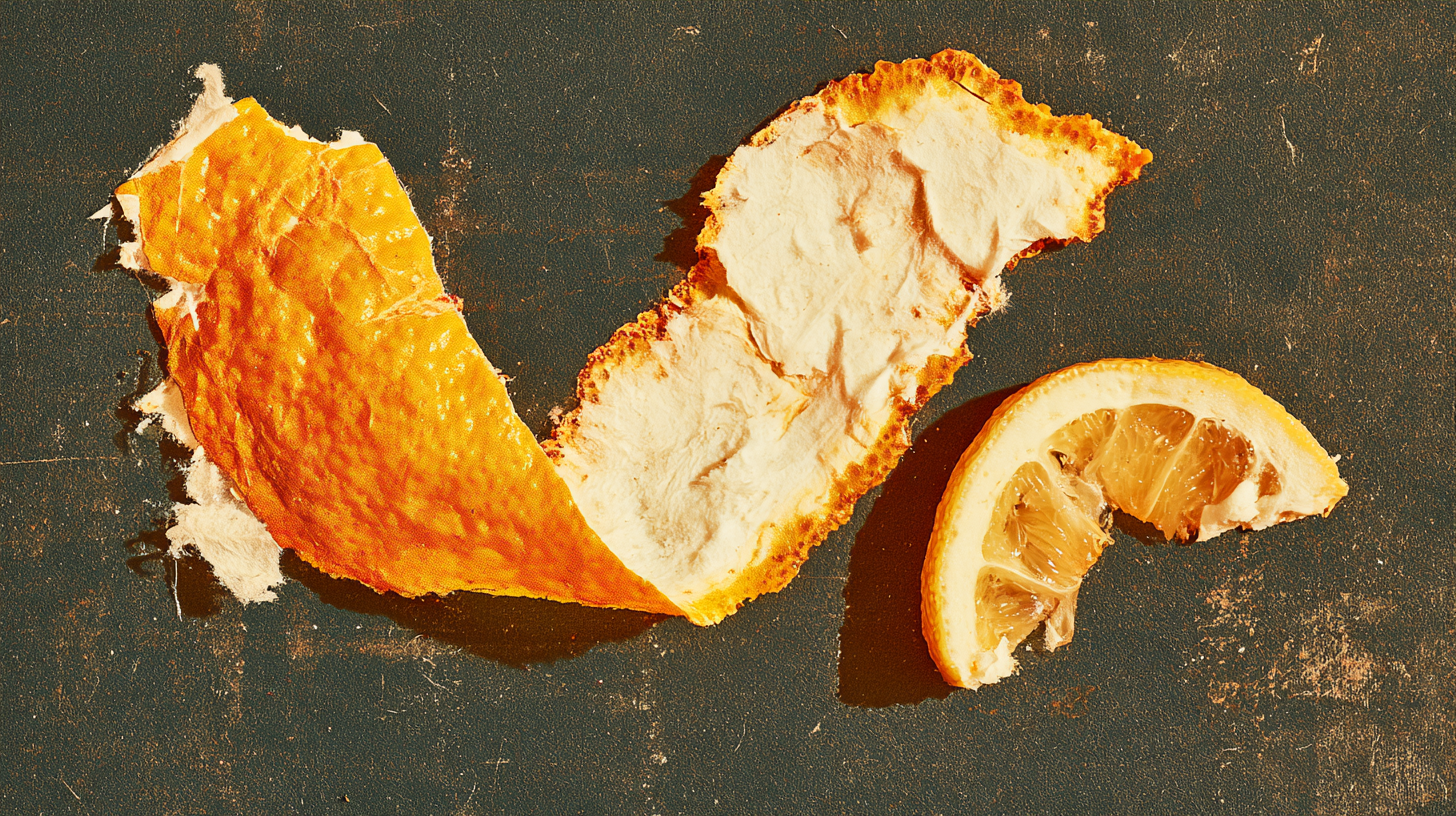
Peel a yuzu and its scent fills the air before you squeeze any juice. Pour hot water over sencha leaves and their aroma changes. Both are familiar ingredients in Japanese kitchens. How do gin makers draw out those aromas, and what do they combine them with?
At the heart of gin’s aroma is the juniper berry, a small, berry-like cone that grows on a conifer. Ingredients used for aroma and flavour, including juniper, fruit peels, leaves, flowers and seeds, are called botanicals. Some Japanese craft gins bring yuzu, green tea or sansho pepper together with juniper. Familiar kitchen ingredients take on a different role in the distillery.
Drawing out aromas in the pot and the basket
SAKURAO GIN ORIGINAL, made in Hatsukaichi in Hiroshima Prefecture, uses botanicals grown in Hiroshima Prefecture, including green lemons, Kawane yuzu and green tea. These citrus fruits and tea are combined with juniper berries and coriander seeds, two familiar gin botanicals.
At Sakurao, two methods work side by side in a single still. Some botanicals steep in the base spirit in the pot, which is then heated. Others sit in a basket in the path of the vapour. As the vapour rises from the pot and passes through the basket, it picks up the aromas of those botanicals too. Cooling the vapour turns it back into liquid, producing a distillate that carries the aromas from both places.
Citrus peel finds a second use at a sake brewery
At Matsui Sake Brewery in Kyoto, making liqueurs leaves the brewery with yuzu and lemon peel. The peel is then used to scent Rinne, a Kyoto gin made at Daimonji Distillery.
The brewery also uses sake lees, the solids left after sake is pressed. The lees still contain alcohol. Matsui explains that it ferments them again, then distils them to make kasutori shochu. This shochu makes up part of the base spirit for the gin.
The yuzu peel contributes fragrance, while the lees provide some of the spirit that carries it. As work on a batch of sake or liqueur comes to an end, work on another spirit begins at the same brewery.
Distilling a gin made with green tea and hinoki a second time
The gin called ordinary, from yumarrest, also draws on plants familiar in Japan. Its maker, Motoki Joken, lists hinoki cypress from Keihoku in Kyoto, cherry leaves, Yame green tea and Setouchi lemons among its main botanicals. Keihoku contributes the scent of wood, Yame the aroma of tea. For cherry, it is the leaves that go into the gin. The ingredients in one gin trace a path through several places and the plants that grow there.
For ordinary “KING”, the same maker begins with the finished ordinary gin. A fresh batch of botanicals, in the same quantity as the first, steeps in the gin that already carries the aromas of hinoki and tea. The maker then distils it again.
At Sakurao, aromas from botanicals in the pot and in the basket above it come together in the still. At Matsui, yuzu peel finds another use after liqueur-making. At yumarrest, a gin already scented with green tea and hinoki becomes the starting point for the next distillation. The character of Japanese craft gin reflects both where its botanicals grow and the order in which their aromas enter the spirit.
This article is about gin botanicals and distillation and is intended for readers aged 20 and over.
Sources
Discover the culture behind every bottle
We share brewery stories, tasting notes and the craft of koji & fermentation — for educational and cultural purposes only.
เราถ่ายทอดเรื่องราวจากผู้ผลิต บันทึกรสชาติ และศาสตร์แห่งโคจิและการหมัก — เพื่อการศึกษาและวัฒนธรรมเท่านั้น
Follow on Instagram Facebook