Drink
A Nuanced Shift in the Glass
Japanese Umeshu in Bangkok’s Michelin-Starred Dining Scene
A Nuanced Shift in the Glass: Japanese Umeshu in Bangkok’s Michelin-Starred Dining Scene
Fine dining and wine have long been inseparable. As a tasting menu progresses, a sommelier selects beverages to complement each course. That model has remained largely unchanged, even at Bangkok’s Michelin-starred restaurants.
Yet, a subtle evolution is taking place. Certain sommeliers have recognized moments when wine alone cannot provide the ideal answer—and have started looking elsewhere.
Umeshu at an Indian Fine-Dining Table
Hidden down a narrow lane in Bangkok’s Lumphini district stands a restaurant housed in a renovated century-old mansion: Inddee. Led by Chef Sachin Poojary, the restaurant earned one Michelin star in the 2024 Michelin Guide. In the same year, its sommelier received a Michelin Sommelier Award.
Among Inddee’s pairing options lies an unexpected choice. The restaurant offers what it describes as a “more adventurous pairing program,” gracefully weaving sake, umeshu, and craft beer into the dining experience. Within its tasting menu—designed as a culinary journey through the regions of India—one course, Chaat Pata, is paired specifically with umeshu.
The dish embodies the layered complexity characteristic of Indian cuisine, delivering sourness, sweetness, saltiness, and spice simultaneously.
Why would umeshu be chosen over wine?
Where Wine Meets Its Match
Indian cuisine occupies a territory that can challenge traditional wine pairings. Multiple layers of spice, the pronounced acidity of tamarind and yogurt, and the natural sweetness of dried fruits and honey can occasionally create friction with a wine’s tannic structure. In particularly spicy dishes, delicate fruit notes can recede, making harmony difficult to achieve.
Chaat Pata is a textbook example. When a dry wine meets a dish where acidity, heat, and sweetness coexist, the acidity and spice can amplify one another unpleasantly. Choose a sweeter wine, and the balance risks tipping into excess. Building a pairing around a single flavor axis quickly reveals its limitations.
Umeshu offers a completely different architectural approach to flavor.
An Umeshu with Wine in Its DNA
The umeshu selected by Inddee is Red Wine Plum Liqueur, crafted by Katashimo Winery in Kashiwara, Osaka.
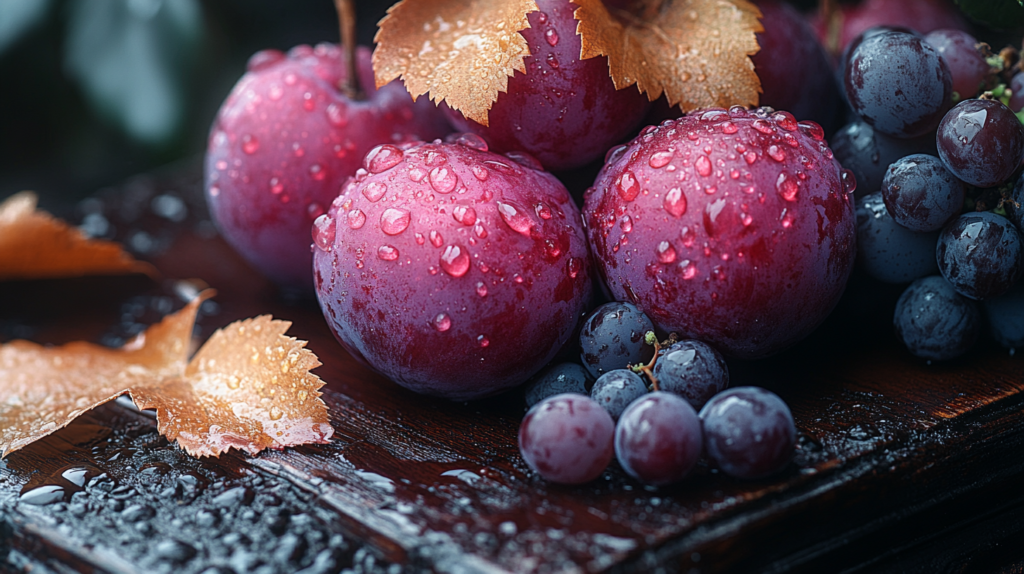
Founded in 1914, Katashimo Winery is one of western Japan’s oldest wine estates. This particular umeshu is created by steeping Nanko plums from Wakayama in the winery’s unfiltered Muscat Bailey A—a uniquely Japanese heritage grape developed in 1927. The infusion is then carefully blended with the estate’s own grappa, with no artificial coloring, flavoring, or acidulants used.
Far from a simple blend, it is a thoughtfully integrated expression from an estate with over a century of history. Two grape-derived elements—fermented wine and distilled grappa—converge with the bright, natural acidity of Nanko plums.
Its resonance with Chaat Pata stems from multidimensional harmony. The natural sweetness of the plum gently softens the lingering heat of the spices, while its acidity mirrors the brightness of the tamarind. Meanwhile, the tannins inherited from the red wine provide a steady structure beneath the dish’s intricate layers. Rather than engaging the food on a single dimension, this umeshu interacts with multiple elements simultaneously. That structural depth is the secret behind the pairing’s success.
A Broader Shift in Bangkok’s Dining Landscape
Inddee is not an isolated exception. Across several Michelin-listed tables in Bangkok, Japanese beverages like sake and umeshu are gracefully finding their place in sophisticated pairing programs.
There are, of course, practical reasons for this shift. Comprehensive wine programs demand meticulous bottle selection, inventory management, and exact temperature control. Certain Japanese beverages allow for a more streamlined pairing design, offering elegant solutions that are operationally graceful.
However, practicality alone does not explain the sommelier’s choice at Inddee. Faced with a complex dish like Chaat Pata, the decision was driven by a simpler truth: umeshu performed beautifully where wine hesitated.
Flavor Over Convention
“The dish works with umeshu, too.”
This understated yet progressive mindset is beginning to take root in Bangkok’s high-end dining scene. For a long time, umeshu remained at the periphery of fine dining, often relegated to the role of a simple aperitif or digestif. Its elevation to an equal counterpart to wine within a Michelin-starred tasting menu signals a meaningful shift in culinary perception.
Whether this approach will ripple into other dining categories remains to be seen. Yet, the tables at Inddee offer a compelling insight: approaching pairings through the lens of pure flavor, rather than rigid convention, opens the door to a richer, more nuanced dining experience. (Mr. Bacchus)
This article is intended solely to explore the brewing philosophy and cultural heritage of Japanese sake and its scientific relationship with food pairing, and does not aim to promote or encourage the consumption of alcohol. / บทความนี้จัดทำขึ้นเพื่อนำเสนอข้อมูลเกี่ยวกับปรัชญาการผลิตและมรดกทางวัฒนธรรมของสาเกญี่ปุ่น และความสัมพันธ์ทางวิทยาศาสตร์กับการจับคู่อาหารเท่านั้น มิได้มีเจตนาเพื่อส่งเสริมหรือโฆษณาเครื่องดื่มแอลกอฮอล์ สำหรับผู้มีอายุ 20 ปีขึ้นไป โปรดดื่มอย่างรับผิดชอบ
Discover the culture behind every bottle
We share brewery stories, tasting notes and the craft of koji & fermentation — for educational and cultural purposes only.
เราถ่ายทอดเรื่องราวจากผู้ผลิต บันทึกรสชาติ และศาสตร์แห่งโคจิและการหมัก — เพื่อการศึกษาและวัฒนธรรมเท่านั้น
Follow on Instagram Facebook