
Drink
Captured Blossoms|The Quiet Distinction of Combier Elderflower Liqueur
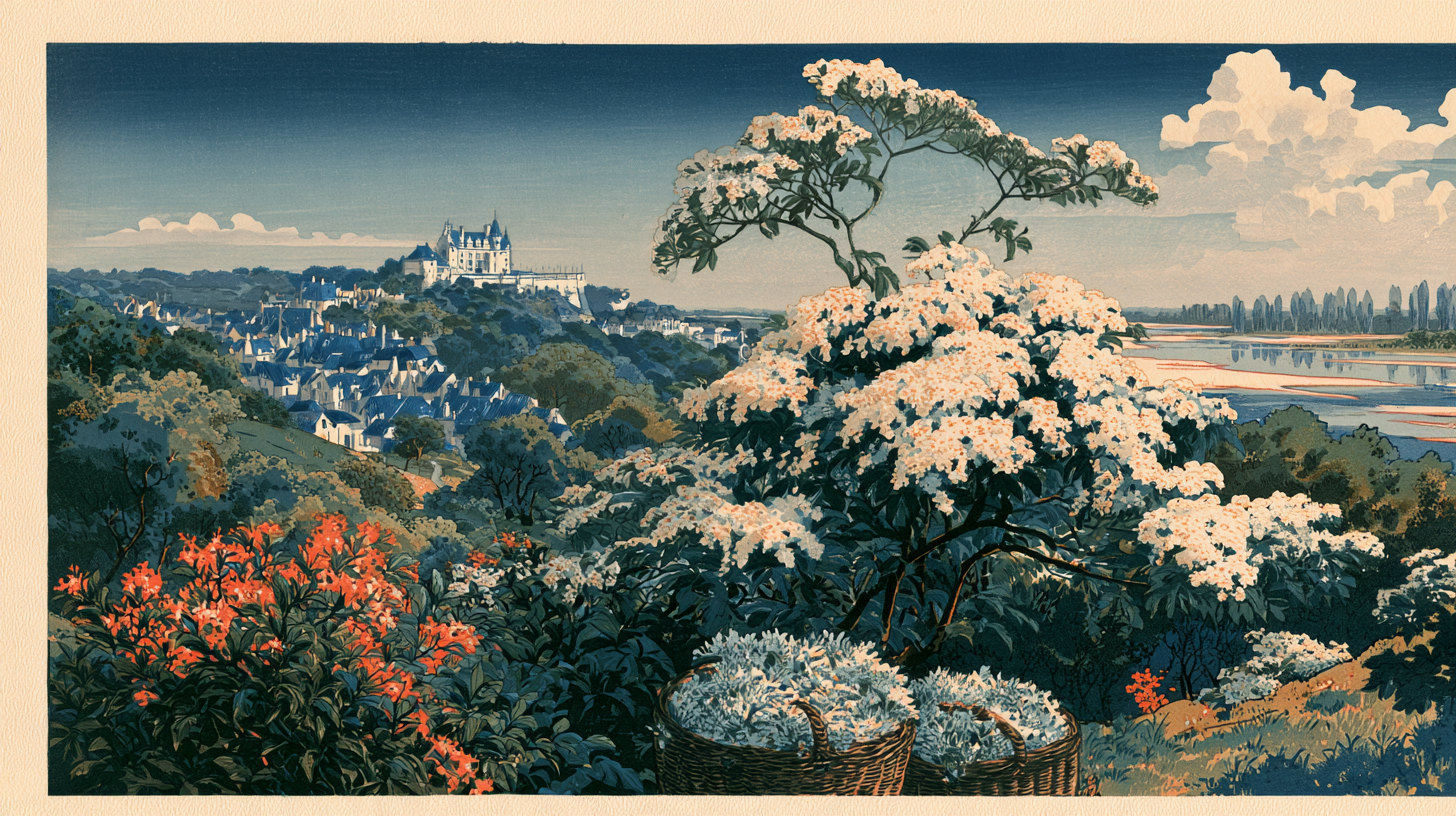
Along European hedgerows and quiet country roads, tiny white blossoms unfurl in delicate, flat-topped sprays between late spring and early summer. These are elderflowers, the fragrant blooms of the European elder tree.
At Distillerie Combier in Saumur, in France’s Loire Valley, these blossoms are transformed into Liqueur Fleur de Sureau. Bacchus Global (BG), which imports sake, shochu, and French liqueurs in Bangkok, lists this product as “COMBIER Elderflower.” In 2025, the liqueur received a Spirit Gold with 95 points at the International Wine & Spirit Competition (IWSC).
In video: Where does the floral aroma begin?
English narration · Thai subtitles · 43 seconds
Understanding the Elderflower
Elderflower refers to the blossoms of shrubs and small trees within the genus Sambucus, specifically Sambucus nigra, or the European elder. While these trees later yield dark purple elderberries, the flowers and the fruit are different ingredients.
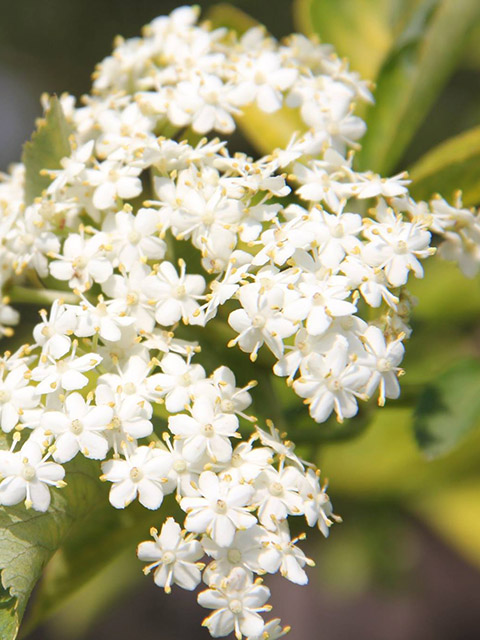
Combier sources its elderflowers from the Anjou area of the Loire Valley. Each blossom cluster contains a fine, intricate web of tiny stems. To isolate the floral aroma, the blossoms are gathered by hand, and the delicate flowers are separated from their stems by hand before steeping.
Defining the Floral Liqueur
Traditional liqueurs derive their character from various botanicals or fruits: L’Original Combier draws on orange peel, while Élixir Combier relies on a blend of around 15 plant ingredients.
Unlike fruit liqueurs, which take their flavour from flesh or peel, or herbal liqueurs made with herbs and spices, elderflower liqueur draws its character from the blossom itself. By removing the stems and steeping only the hand-picked flowers, Combier keeps the flower as the source of its aroma.
A Spectrum of Tasting Notes: IWSC 2025
In 2025, the International Wine & Spirit Competition awarded the liqueur a Spirit Gold with a score of 95 points in the Floral/Plant category. It was entered under its former name, Crème de Fleur de Sureau, before Combier renamed it Liqueur Fleur de Sureau.
While Combier describes delicate floral aromas with hints of lychee, the IWSC judges noted russet apple, woody spice, ripe yellow plum and a touch of honey. The two descriptions show that even a liqueur made from a single flower can be described in terms that go beyond the flower itself.
Distinguishing Elderflowers from Elderberries
Flowers and berries are harvested from the same European elder at different times: blossoms in late spring to early summer, followed by the berries. Combier uses the flowers for this liqueur. Elderflower liqueur is defined by flowers as its main aroma source; hand-picking the flowers and removing their stems by hand are features of Combier’s production method. Keeping these two points distinct helps explain what sets elderflower liqueur apart from fruit and herbal liqueurs.
This article is intended solely to explore the blending craftsmanship and cultural heritage of Distillerie Combier and the COMBIER brand, and does not aim to promote or encourage the consumption of alcohol.
บทความนี้จัดทำขึ้นเพื่อนำเสนอข้อมูลเกี่ยวกับศิลปะการผสมผสานและมรดกทางวัฒนธรรมของ Distillerie Combier และแบรนด์ COMBIER เท่านั้น มิได้มีเจตนาเพื่อส่งเสริมหรือโฆษณาเครื่องดื่มแอลกอฮอล์ สำหรับผู้มีอายุ 20 ปีขึ้นไป โปรดดื่มอย่างรับผิดชอบ
Discover the culture behind every bottle
We share brewery stories, tasting notes and the craft of koji & fermentation — for educational and cultural purposes only.
เราถ่ายทอดเรื่องราวจากผู้ผลิต บันทึกรสชาติ และศาสตร์แห่งโคจิและการหมัก — เพื่อการศึกษาและวัฒนธรรมเท่านั้น
Follow on Instagram Facebook
