Drink
Fake Wines Flooding the Market
How confident are you that the valuable wine you’re holding is genuine? According to research on the global wine market, it is estimated that around 20% of wines circulating today could be counterfeit. Behind the widespread issue of counterfeit high-end wines is a hidden market where empty bottles and fake labels are skillfully reused. Cheap blends are filled into these bottles and deceptively sold as premium wines.
High-priced wines are especially targeted due to their reputation and brand value. Even well-known wines such as Romanée-Conti or the top châteaux of Bordeaux have frequently ended up in the hands of unsuspecting collectors and wine enthusiasts as fakes. Learning about this situation may cause you a moment of doubt|”Is my wine actually authentic?”

A famous example highlighted in the documentary film “Sour Grapes” involved Rudy Kurniawan, an Indonesian wine dealer who orchestrated a large-scale counterfeit operation. He collected empty bottles from highly respected brands, refilled them with inexpensive wines, and made enormous profits. The damages from this fraud reportedly exceeded 67 million USD.

Why does such sophisticated fraud continue to thrive? One major reason is the scarcity of luxury wines. Vintage wines, created from ideal climates, excellent soils, and careful craftsmanship, are limited to just a few hundred or thousand bottles, driving their market value extremely high. Counterfeiters constantly seek to exploit this situation. Moreover, premium wines fetch high prices at auctions, offering counterfeiters quick opportunities to earn massive profits.
However, continuously worrying that every expensive wine might be fake would diminish the true joy and romance of wine appreciation. Therefore, we encourage you to learn specific points that can help identify fake wines.
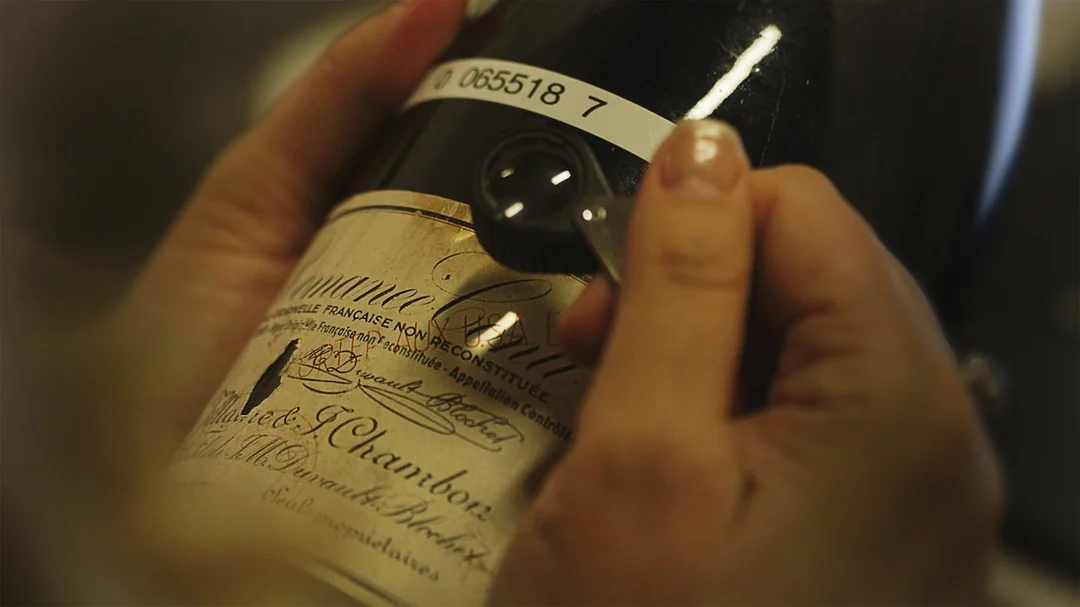
First, examine the wine label closely. Be cautious if you notice slightly blurry printing, irregular font spacing, or spelling mistakes. Next, inspect the cork and seal. Genuine wineries typically imprint or emboss their brand name on corks, and the seals often have unique designs or materials. If the quality seems poor or there are clear signs of replacement, the bottle might be counterfeit.
Additionally, pay attention to the shape, weight, and markings on the bottle, as well as the natural aging signs on the label. Premium wines naturally develop a distinct appearance as years pass, affecting label colors and textures. If a supposedly aged bottle appears too shiny and new, especially if it’s suspiciously cheap, you should be cautious.
Provenance and documentation are central to authentication. Direct links between producers, importers, and specialist retailers can support traceability.
This article is intended solely to share educational and cultural information about the topics discussed, and does not aim to promote or encourage the consumption of alcohol. For readers aged 20 and over. Please drink responsibly.
บทความนี้จัดทำขึ้นเพื่อให้ข้อมูลเชิงความรู้และวัฒนธรรมเกี่ยวกับหัวข้อที่นำเสนอเท่านั้น มิได้มีเจตนาส่งเสริมหรือโฆษณาเครื่องดื่มแอลกอฮอล์ สำหรับผู้มีอายุ 20 ปีขึ้นไป โปรดดื่มอย่างรับผิดชอบ
Discover the culture behind every bottle
We share brewery stories, tasting notes and the craft of koji & fermentation | for educational and cultural purposes only.
เราถ่ายทอดเรื่องราวจากผู้ผลิต บันทึกรสชาติ และศาสตร์แห่งโคจิและการหมัก | เพื่อการศึกษาและวัฒนธรรมเท่านั้น
Follow on Instagram FacebookRelated Articles
“Diverging Paths in the Wine Market” / “More Than a Downturn” / “Three Hurdles a Bottle of Whisky Must Clear Before It Reaches Bangkok” / “Reflections on the Spring Price Revisions”