Drink
Diverging Paths in the Wine Market
Understanding the Rise of Organic Viticulture
The global wine market is currently navigating a period of nuanced transformation. Within the broader category of wine, two distinct trajectories are emerging.
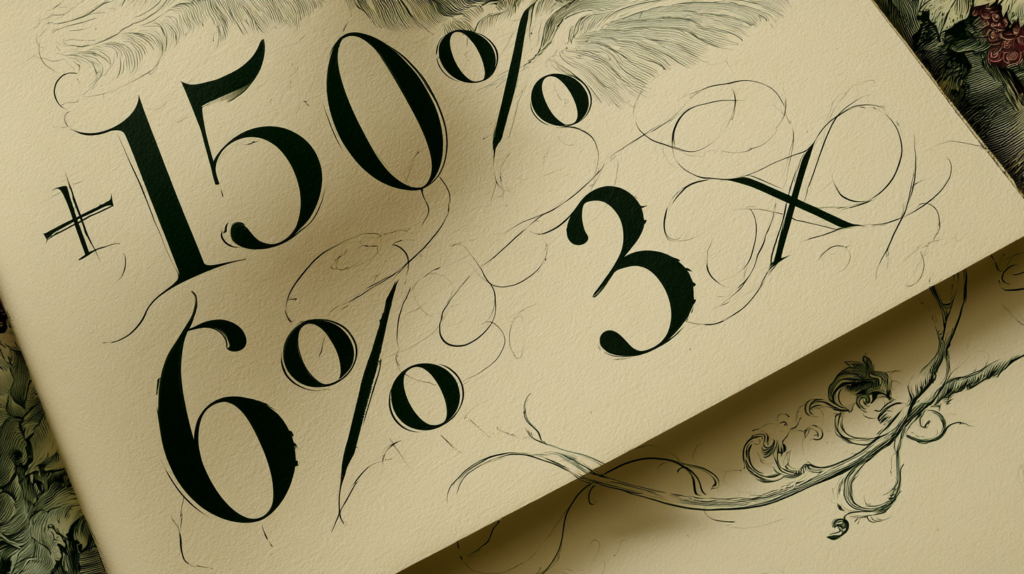
A recent market analysis by data intelligence firm TasteWise contextualizes this evolution. In France, for example, while overall wine consumption saw a decline in 2023, the consumption of organic wine grew by 6%. This divergence highlights a significant shift occurring within the traditional boundaries of the industry.
Furthermore, discussions surrounding organic wine on digital platforms increased by 150% over the past year. Looking ahead, the global organic wine market is projected to see substantial growth by 2030.
A Generational Shift in Values
This movement is closely tied to a generational evolution in perspective.
Data indicates that millennials now account for a slight majority of organic product purchases. Moreover, a significant portion of younger generations expresses a willingness to invest in environmentally conscious craftsmanship.
Terms such as “biodynamic,” “sustainability,” “natural,” and “unique” frequently surface in these conversations. Rather than mere product attributes, these concepts now serve as reflections of personal philosophy. Selecting a wine has become a thoughtful process of aligning with the winemaker’s respect for the terroir.
Regional Nuances in Viticulture
The approach to organic farming naturally varies by region.
In California, a noticeable concentration of certified organic vineyards is found within Napa Valley, illustrating a natural synergy between organic viticulture and the region’s premium heritage.
In France, the intersection of historic AOC traditions and rigorous organic certification is fostering a renewed appreciation for classic terroirs. The aforementioned 6% growth in organic consumption is a testament to this evolving palate.
In Southeast Asia, naturally made and biodynamic wines are also quietly gaining presence among imported selections. In Bangkok, taking the time to read a back label at a specialty shop or tasting space|seeking to understand the story and philosophy behind the bottle|is gradually becoming a familiar and cherished part of the wine experience.
Emerging Themes for 2026
Current analysis points to several areas of growing interest, including organic sparkling wines, clean-label practices, certified organic rosé, and thoughtful approaches to sulfites.
The expanding appreciation for organic sparkling wine and rosé suggests that these thoughtfully crafted bottles are finding their way into a broader array of dining occasions, moving beyond a niche interest. Concurrently, the emphasis on clean labels and sulfite-free options reflects an era in which discerning individuals are equally mindful of what remains untouched in the winemaking process.
Redefining the Wine Experience
The contrasting trends of shrinking general consumption and growing organic interest suggest something more profound than a simple change in taste; it signifies a renewal of values. What individuals choose to pour into their glasses is increasingly connected to the agricultural and cultural future they wish to sustain.
The statistics|from the projected market growth to the increase in digital conversations|are simply the visible milestones of a quiet, ongoing evolution. It is a subtle yet meaningful shift, driven by a collective desire to understand and respect the origins of what we drink. (Mr. Bacchus)
This article is intended solely to explore the structural transformation of the global wine market and the cultural shift toward sustainability, and does not aim to promote or encourage the consumption of alcohol. / บทความนี้จัดทำขึ้นเพื่อนำเสนอข้อมูลเกี่ยวกับการเปลี่ยนแปลงเชิงโครงสร้างของตลาดไวน์โลกและการเปลี่ยนแปลงทางวัฒนธรรมสู่ความยั่งยืน เท่านั้น มิได้มีเจตนาเพื่อส่งเสริมหรือโฆษณาเครื่องดื่มแอลกอฮอล์ สำหรับผู้มีอายุ 20 ปีขึ้นไป โปรดดื่มอย่างรับผิดชอบน…
Discover the culture behind every bottle
We share brewery stories, tasting notes and the craft of koji & fermentation | for educational and cultural purposes only.
เราถ่ายทอดเรื่องราวจากผู้ผลิต บันทึกรสชาติ และศาสตร์แห่งโคจิและการหมัก | เพื่อการศึกษาและวัฒนธรรมเท่านั้น
Follow on Instagram FacebookRelated Articles
“More Than a Downturn” / “In a Shrinking World of Wine, Where Is Value Headed? ” / “Organic Wine Leaves the “Niche” Behind” / “The Shifting Terroir” / “Fake Wines Flooding the Market”