Drink
Watching Koji Grow | Japan’s Traditional Sake Making on UNESCO’s Intangible Heritage List
Updated 7 November 2026 · Originally published: 2024-11-14
In December 2024, UNESCO inscribed Japan’s traditional sake making with koji mould on the Representative List of the Intangible Cultural Heritage of Humanity. At sake breweries, brewers adjust temperature and humidity as they grow koji and monitor the progress of fermentation. The knowledge and skills involved in using koji mould have been handed down in the making of sake, shochu, awamori and mirin, among others.
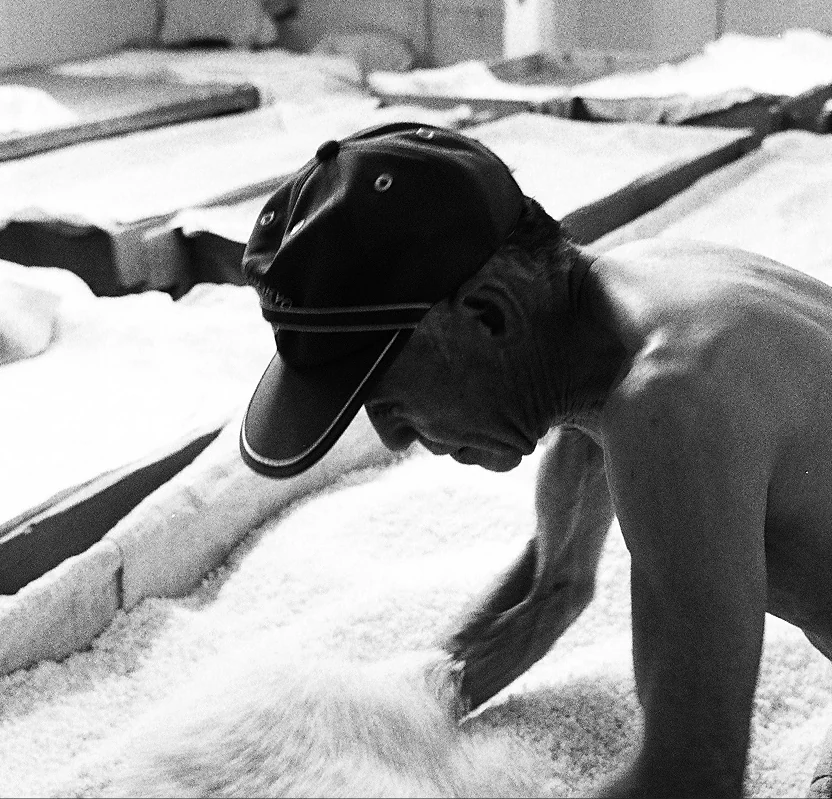

Making koji from steamed rice
Some of the rice steamed at a sake brewery is used to make koji. Koji is made by growing koji mould on grains such as rice or barley. The enzymes it produces convert starch in the ingredients into sugars. Yeast uses those sugars to produce alcohol.
As the mould grows, brewers monitor temperature and humidity and adjust the conditions for the koji. They also tend the fermenting mash, known as moromi.
Koji in different kinds of drinks
Koji is used to make several kinds of drinks. In sake making, the conversion of starch into sugars and the yeast’s conversion of sugars into alcohol take place at the same time in the same mash. This is called parallel multiple fermentation.
Shochu and awamori go through distillation. The fermented mash is heated and the vapour is cooled until it condenses back into a liquid. These drinks share the use of koji, and the steps that follow depend on what is being made.
According to Japan’s Agency for Cultural Affairs, the foundations of this craft were established more than 500 years ago. It developed in response to local climates and conditions and has been handed down through the making of sake, shochu, awamori and mirin, among others.
Hearing from the master brewer and watching the work
In December 2025, Japan’s Agency for Cultural Affairs held a programme on passing on food crafts at a brewery in Ishikawa Prefecture. Participants heard from the toji, who oversees sake production, and others at the brewery. They watched the shubo, a starter used to multiply yeast, being stirred with a paddle called a kai.
According to the programme report, a toji may judge how far fermentation has progressed by the feel of the paddle as it moves through the starter and adjust the temperature accordingly. Hearing the brewer explain the work and seeing it firsthand gave participants a glimpse of that judgement.
Working with steamed ingredients, watching the koji develop and responding to changes in the mash are still part of the work in sake breweries today. This is how the skills continue to be passed on.
Sources
- Agency for Cultural Affairs on traditional sake making
- Agency for Cultural Affairs announcement of the UNESCO inscription
- Agency for Cultural Affairs report on the programme in Ishikawa
- UNESCO inscription decision
- Japan Sake and Shochu Makers Association: traditional sake making
- UNESCO: element 01977
This article shares educational, historical and cultural information. For readers aged 20 and over. It does not encourage alcohol consumption.
Brewing, craft and culture
Stories of makers, ingredients and the traditions behind them.
Instagram · Facebook