Drink
Mozart, Christianity and Pinot Noir in Burgundy
The Heritage of Pinot Noir in Burgundy
A familiar anecdote about Rossini calls Beethoven a great musician while setting Mozart apart as singular. The comparison invites us to think about what makes a tradition distinctive.
Pinot Noir has a distinctive place in Burgundy. The Bourgogne Wine Board describes it as native to the region and central to the reputation of its red wines. Its identity is closely tied to the places where it grows.
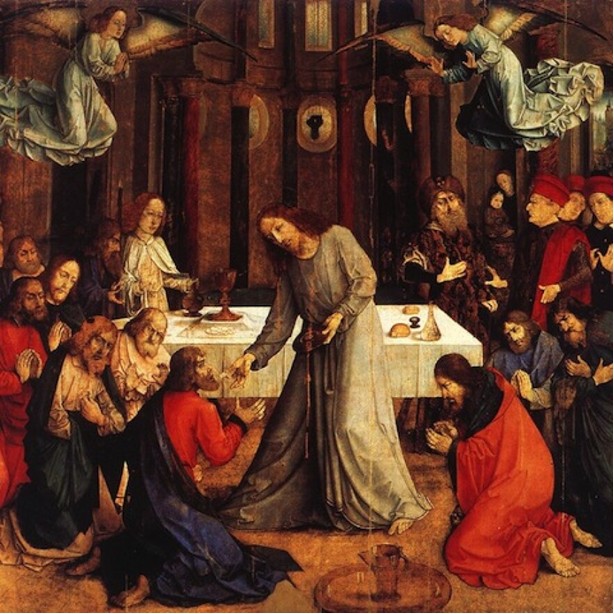
Burgundy’s recorded wine history reaches back to the Roman era. A written reference to the region’s terroir dates to 312. In the Middle Ages, Christian monasteries expanded, and their monks cultivated vines and developed winemaking knowledge.
The monks of Cluny and Cîteaux recorded their work in the vineyards. That written heritage helped preserve knowledge of Burgundy’s terroirs. In 1395, Philip the Bold’s edict recommended Pinot Noir while restricting Gamay in the Burgundy of his day.
Pinot Noir’s place in Burgundy was shaped by growers, religious communities and regional rulers over many centuries. Its story is one of a grape variety and the people who learned to cultivate it in particular landscapes.
The connection among place, grape and historical records helps explain why Pinot Noir remains so closely associated with Burgundy today.
This article shares historical and cultural information for readers aged 20 and over. It does not promote or encourage alcohol consumption. Please drink responsibly.
Discover the culture behind every bottle
We share brewery stories, tasting notes and the craft of koji & fermentation | for educational and cultural purposes only.
เราถ่ายทอดเรื่องราวจากผู้ผลิต บันทึกรสชาติ และศาสตร์แห่งโคจิและการหมัก | เพื่อการศึกษาและวัฒนธรรมเท่านั้น
Related Articles
“Bruno Dangin, The Historical Terroir of Molesme: Where Champagne meets Burgundy” / “Memories of a Monastery, A Love Letter to a Daughter” / “Between wine and gastronomy, story of a long and very French history” / “The Supper at Emmaus”