Stories Behind the Bottle
Crème de Cassis KUBO: The Bartender Behind the Name
A Burgundian tradition enters a dialogue between Hachinohe and Kanegasaki.
The word cassis usually points backwards: to Burgundy, to a nineteenth-century liqueur, and to the white-wine combination that Félix Kir helped make famous. The name KUBO points somewhere else. It belongs to a living bartender in Hachinohe.
This is where the Bacchus Global newsletter story began. A French regional tradition had not simply been copied in Japan. It had entered a conversation between two people whose working lives began behind bar counters.
A French Name Before the Japanese Bottle
Dijon records crème de cassis as a product of 1841. The blackcurrant liqueur later became closely associated with blanc-cassis, a combination of white Burgundy and cassis that was already known before Canon Félix Kir gave it unusual visibility.
Kir was a priest, a member of the French Resistance and mayor of Dijon from 1945 to 1968. He served the regional combination at official receptions, and his name eventually became inseparable from it. The important distinction is that he popularised the drink; he did not invent crème de cassis itself.
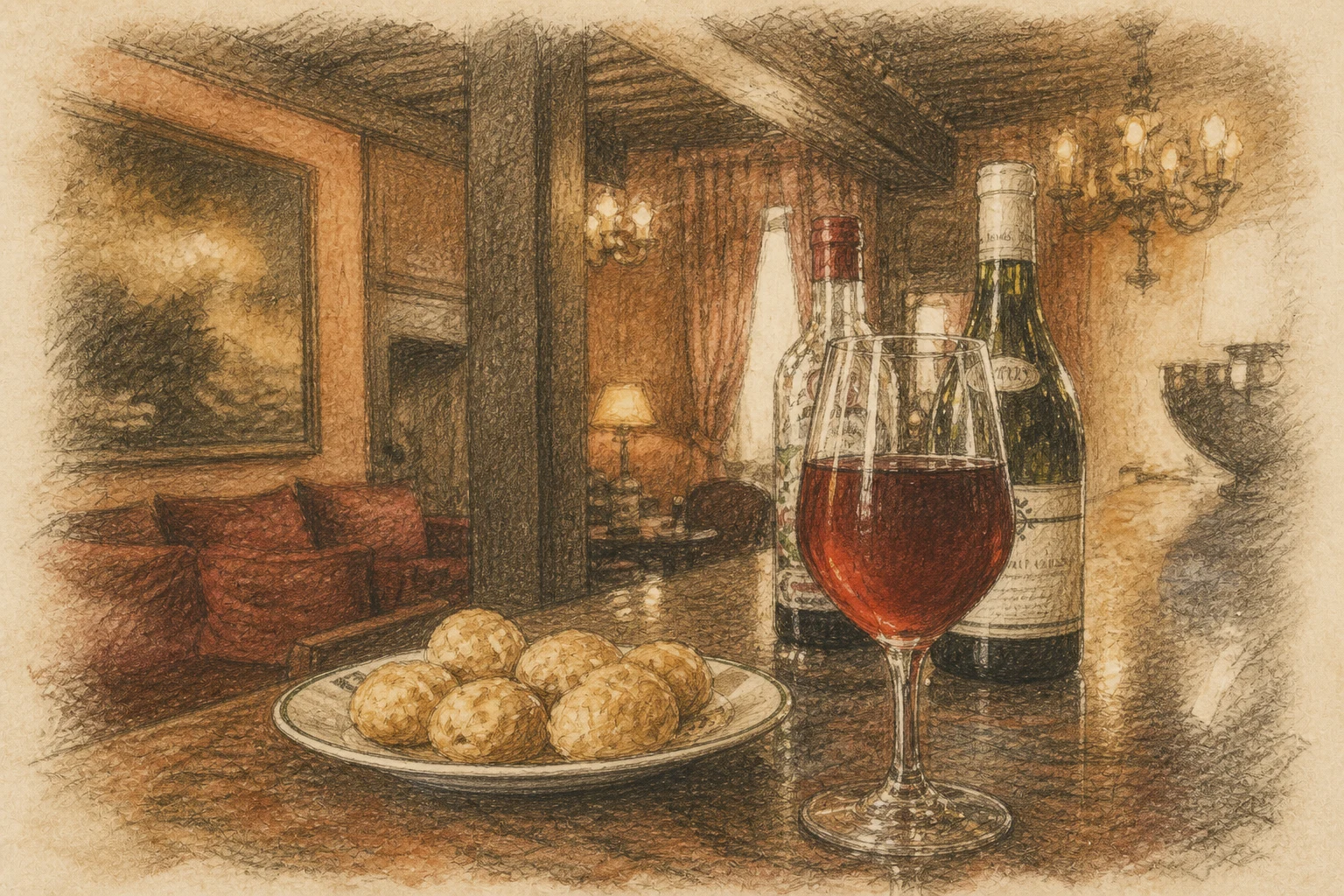
That history gives the category weight, but it also creates a risk. Once a tradition becomes familiar, every later bottle can be read as a variation on the original. Crème de Cassis KUBO asks a more useful question: what happens when the category is designed from the bar backwards?
The Person Behind KUBO
KUBO is not a place, a cassis variety or a farm. It is the family name of Toshiyuki Kubo, owner-bartender of Ark Lounge & Bar in Hachinohe, Aomori.
Ark Lounge placed No.67 in the 2022 edition of Asia’s 50 Best Bars 51–100 list. The organisation’s Discovery guide describes the bar as approaching cocktails with “haute couture” in mind. That recognition belongs to the bar and its work. It is not an award won by the liqueur.
The distinction makes the collaboration more interesting, not less. The value of Kubo’s name on the label is not borrowed prestige. It identifies the person whose professional point of view entered the product’s development.
When Two Bar Perspectives Meet
The other perspective belongs to Kazuma Oikawa. Before founding K.S.P in 2021, Oikawa worked as a bartender, encountered craft cocktail culture in Vancouver and operated a botanical liqueur bar in Tokyo. He returned to his home town of Kanegasaki and established a company that joins production, agriculture and design.
K.S.P’s official account describes a farm growing around fifty kinds of herbs and a small production system that also works with plants and agricultural materials supplied by local partners. The company’s concern is not simply to reproduce established European categories. It is to ask what Japanese plants, places and producers can contribute to them.
Kubo and Oikawa therefore approached cassis from related but different positions. One brought the perspective of an active bar in Hachinohe. The other brought the perspective of a former bartender who had become a producer in Iwate. The bottle records where those two viewpoints met.
Four Ingredients, One Important Clarification
The current official specification for Crème de Cassis KUBO is concise: brewing alcohol, cassis, beet sugar and cassis juice. The 500 ml liqueur is bottled at 20% alcohol and is made without added flavouring or colouring.
The producer also refers to green aromas reminiscent of dill and tarragon in fresh cassis. Those words describe what can be perceived in the fruit. Dill and tarragon do not appear in the ingredient list, and should not be presented as added botanicals.
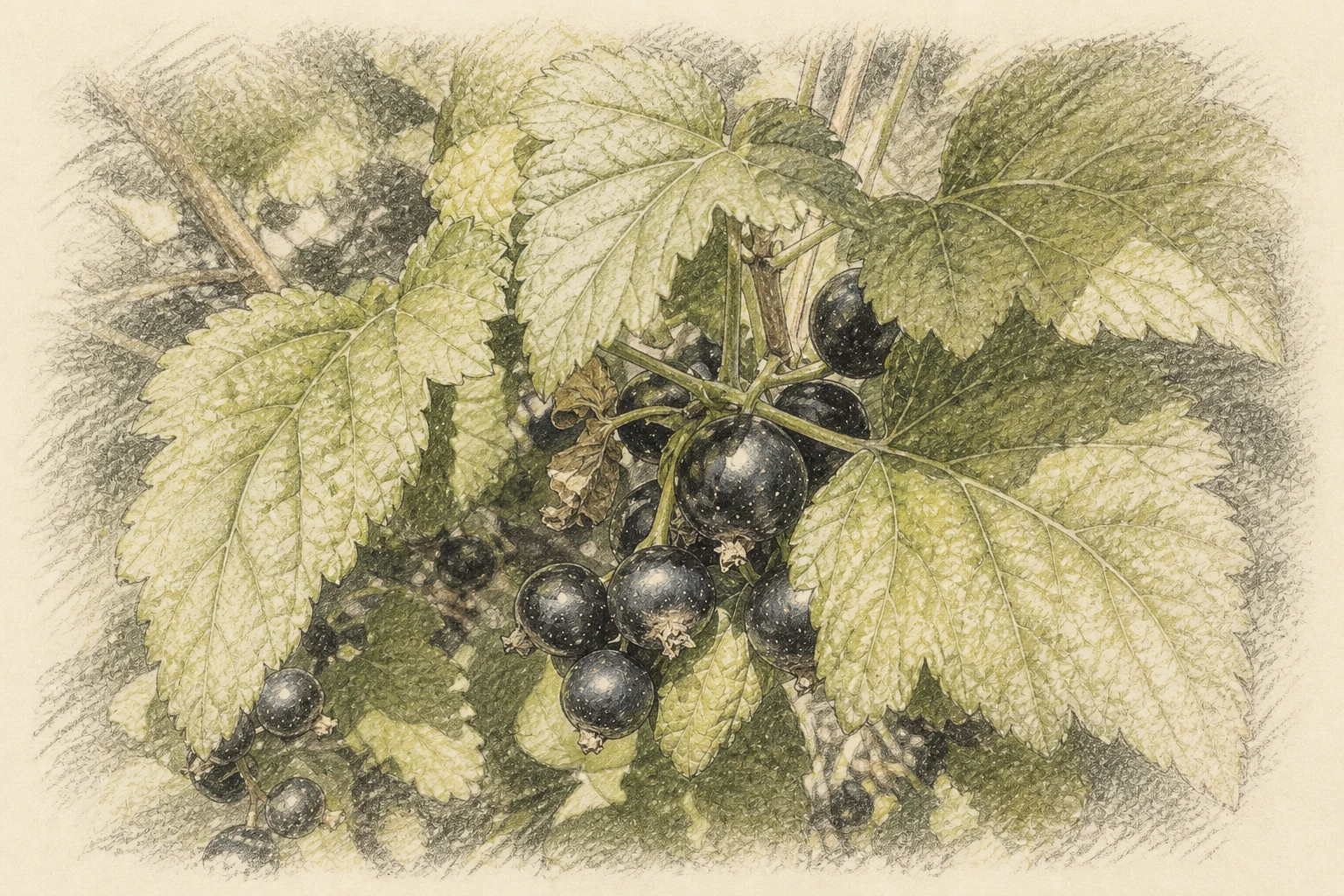
This clarification protects the central idea of the product. Its botanical character is not created by disguising cassis with a longer recipe. It is found by paying closer attention to the fruit already present.
The Label Is a Credit, Not a Medal
The story moves from Burgundy to Japan because the French history still matters. KUBO does not erase that history, and it does not claim the geographical identity of Dijon. It adds a different kind of authorship to the category.
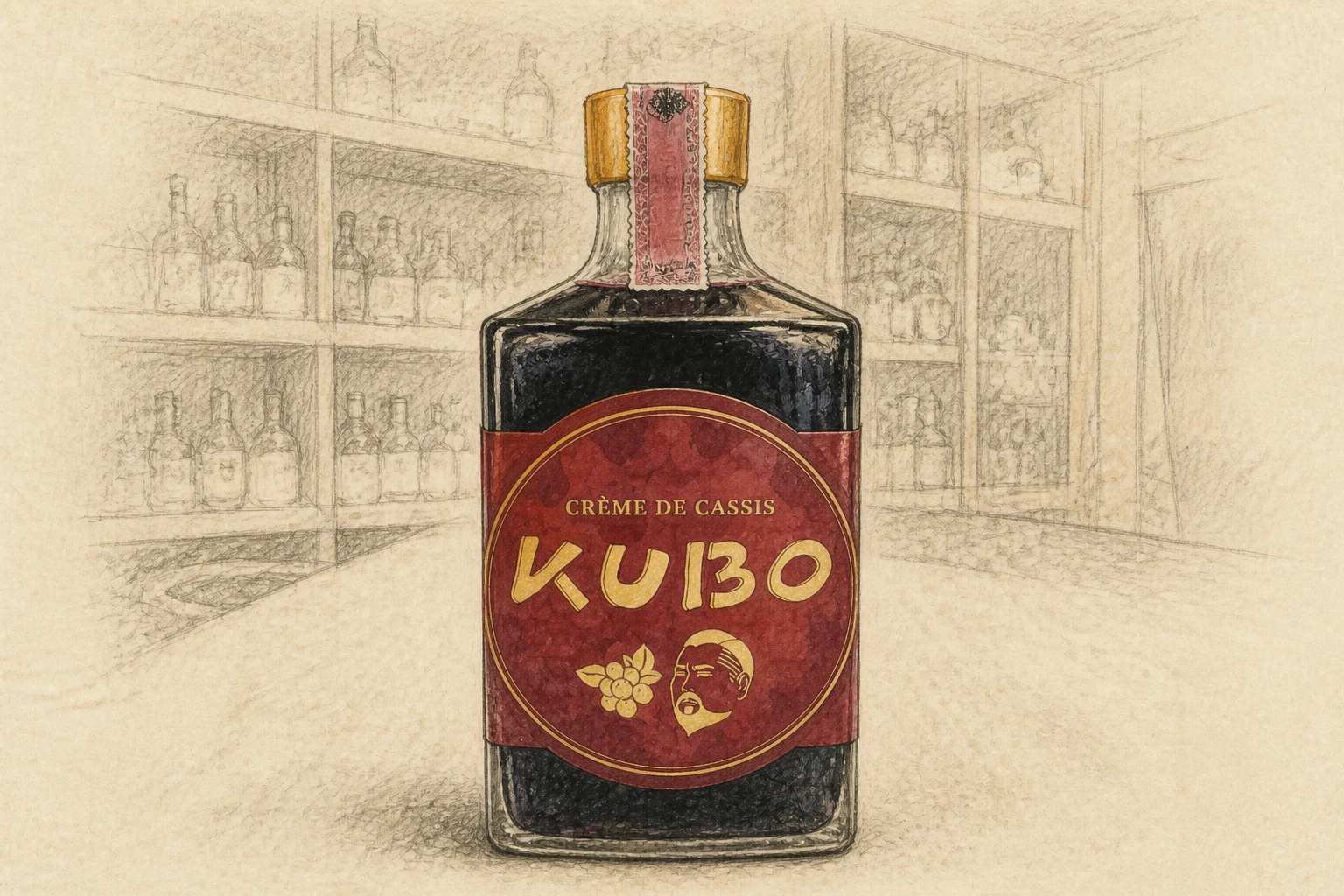
The label connects a French liqueur tradition, a bar in Hachinohe and a small producer in Kanegasaki. Its most revealing word is not cassis, which names the category. It is KUBO, which names the professional conversation behind the bottle.
Source note: This article adapts a Bacchus Global feature on Crème de Cassis KUBO. Product facts were rechecked against K.S.P’s current product page and company profile; the bar ranking against 50 Best Discovery; and the Burgundy history against the regional tourism authority and Dijon museums.
This article presents the history, collaboration and production context of Crème de Cassis KUBO for educational purposes. It is not intended to advertise alcoholic beverages or encourage their purchase or consumption. It is intended for readers aged 20 and over.
บทความนี้นำเสนอประวัติ ความร่วมมือ และบริบทด้านการผลิตของ Crème de Cassis KUBO เพื่อการศึกษาเท่านั้น มิได้มีวัตถุประสงค์เพื่อโฆษณา หรือส่งเสริมการซื้อหรือการบริโภคเครื่องดื่มแอลกอฮอล์ บทความนี้จัดทำขึ้นสำหรับผู้อ่านอายุ 20 ปีขึ้นไป
Related Reading
No.11: Precision Over Uniformity
Discover the culture behind every bottle
We share brewery stories, tasting notes and the craft of koji & fermentation — for educational and cultural purposes only.
เราถ่ายทอดเรื่องราวจากผู้ผลิต บันทึกรสชาติ และศาสตร์แห่งโคจิและการหมัก — เพื่อการศึกษาและวัฒนธรรมเท่านั้น
Follow on Instagram Facebook