Stories Behind the Bottle
Clos Regain: The Estate Within the Estate
A new wine estate does not always begin with new land. Sometimes, it begins with a decision to look again.
In Jurançon, at the foot of the Pyrenees in southwest France, Clos Regain emerged from a closer reading of an existing estate. The decisive change was simple: parcels that had shown marked differences across successive vintages would be vinified separately.
An Estate at a Turning Point
According to the producer’s account, Quebec entrepreneur Michel Boutin was drawn to Jurançon and its wines, then settled in the region. He became involved with a recognised estate that had reached a turning point.
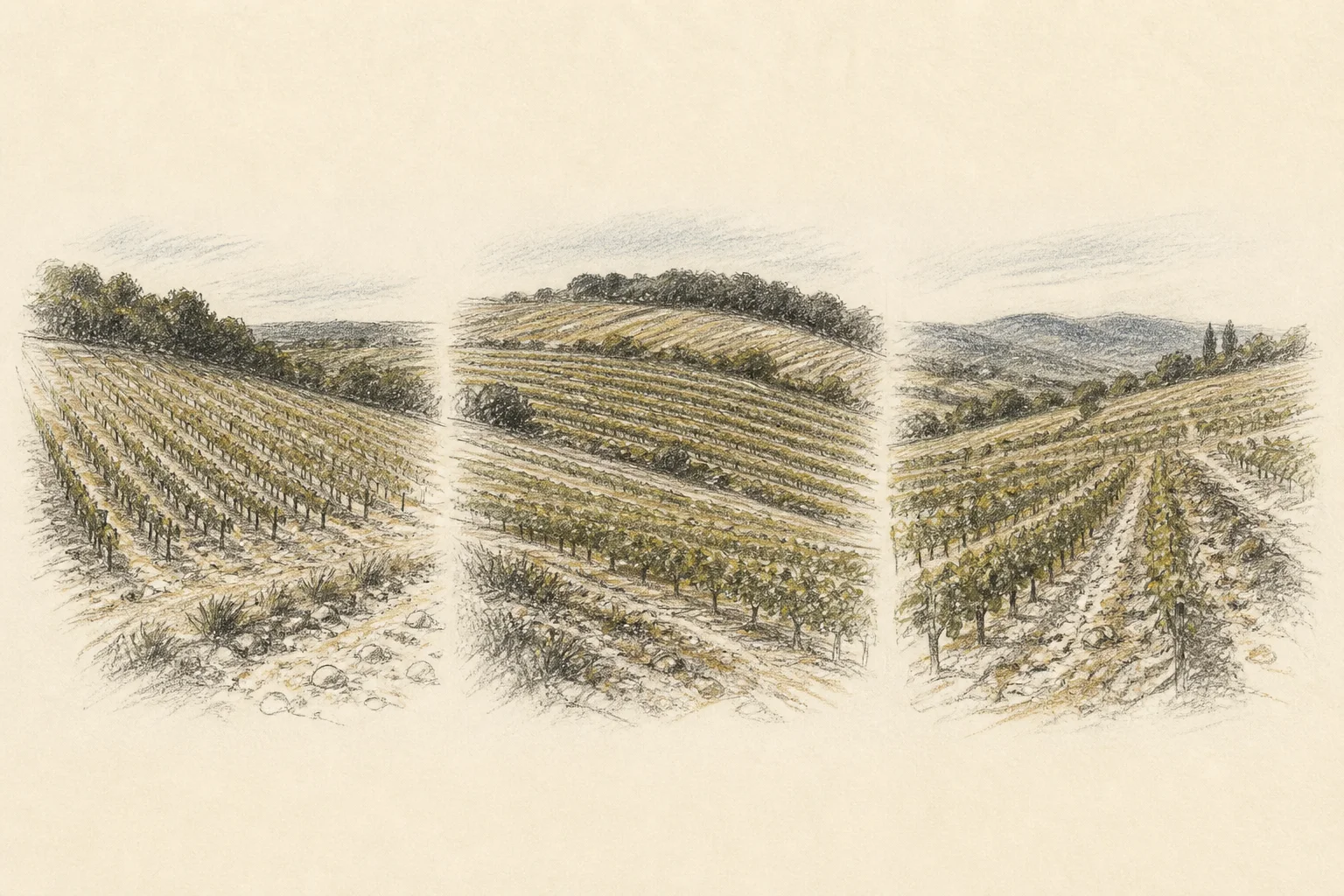
Across successive vintages, the team observed marked differences among parcels within the property.
The Decision Was to Vinify Separately
Boutin, oenologist Julien and agronomist Lionel decided that selected parcels should be vinified separately.
That decision became the basis of Clos Regain.
The producer describes the result as an “estate within the estate.” It is not a new territory detached from the old one. It is a second outline discovered inside an existing place.
The name Clos Regain also pays tribute to the French writer Jean Giono and to the idea of rebirth. The producer presents the project as the revival of a terroir that had slipped from view. The change began with renewed attention to differences already present.
Three Wines, Two Connected Stories
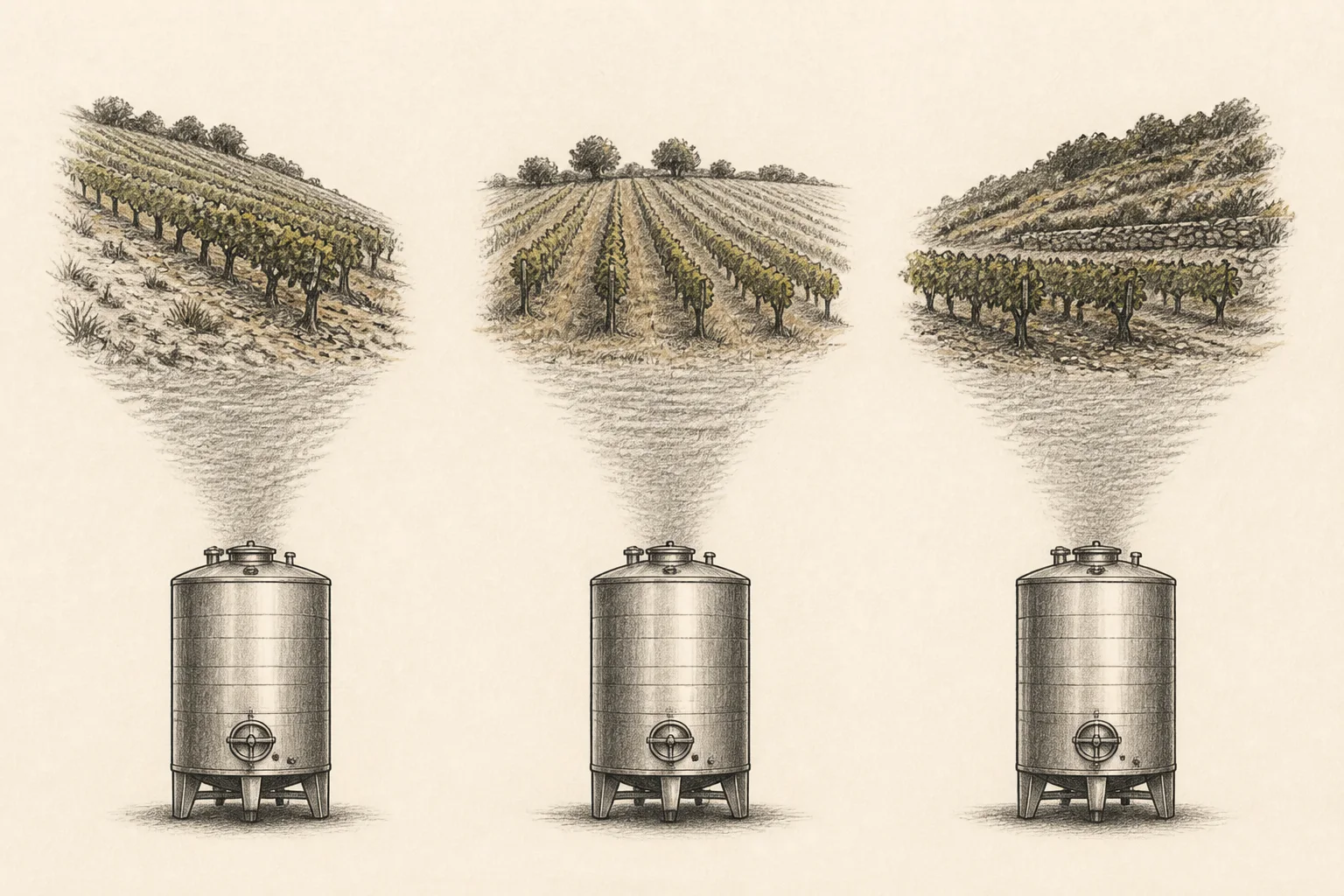
The producer’s current portfolio carries two connected stories: the parcel distinctions behind Clos Regain, and the memory of vineyard workers preserved by Lait de Vigne.


Clos Regain Sec 2022 is a dry wine made from Petit Manseng and Gros Manseng. The producer records temperature-controlled fermentation in stainless steel, followed by ageing on the lees with regular bâtonnage.
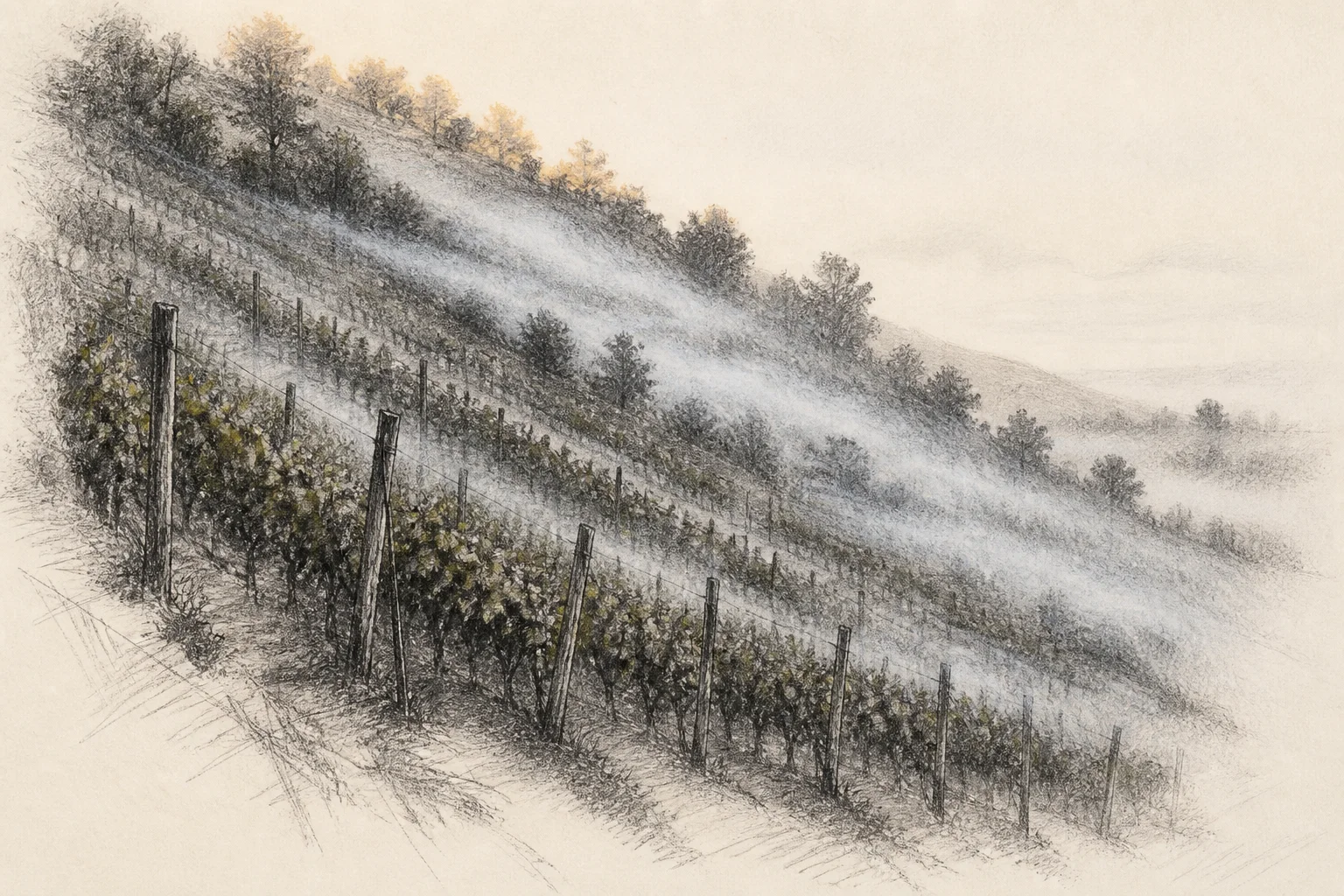
La Côte des Brumes 2023 is identified by the producer as 100% Petit Manseng. Its name refers to the mist that covers the estate’s steepest slopes on summer mornings, linking the cuvée to that landscape.
Lait de Vigne Blanc Sec N.V. belongs to a separate range from the same producer. Its name commemorates Antoine, a vineyard worker who tended the estate’s vines for more than 60 years, and the generations of workers represented by his story.
Together, the three wines reveal two parts of the producer’s story: the decision to distinguish parcels, and the decision to preserve a name and a memory.
Revival Begins by Looking Again
Clos Regain began when successive vintages revealed marked differences among the estate’s parcels. Separate vinification gave those differences a form. That is the quiet logic behind an “estate within the estate.”
This article presents the history, production decisions and cultural context of Clos Regain for educational purposes. It is not intended to advertise alcoholic beverages or encourage their purchase or consumption. It is intended for readers aged 20 and over.
บทความนี้นำเสนอประวัติ แนวคิดด้านการผลิต และบริบททางวัฒนธรรมของ Clos Regain เพื่อการศึกษาเท่านั้น มิได้มีวัตถุประสงค์เพื่อโฆษณา หรือส่งเสริมการซื้อหรือการบริโภคเครื่องดื่มแอลกอฮอล์ บทความนี้จัดทำขึ้นสำหรับผู้อ่านอายุ 20 ปีขึ้นไป
Discover the culture behind every bottle
We share brewery stories, tasting notes and the craft of koji & fermentation — for educational and cultural purposes only.
เราถ่ายทอดเรื่องราวจากผู้ผลิต บันทึกรสชาติ และศาสตร์แห่งโคจิและการหมัก — เพื่อการศึกษาและวัฒนธรรมเท่านั้น
Follow on Instagram Facebook