Drink
Beyond the Niche
The Next Decade of Organic Wine
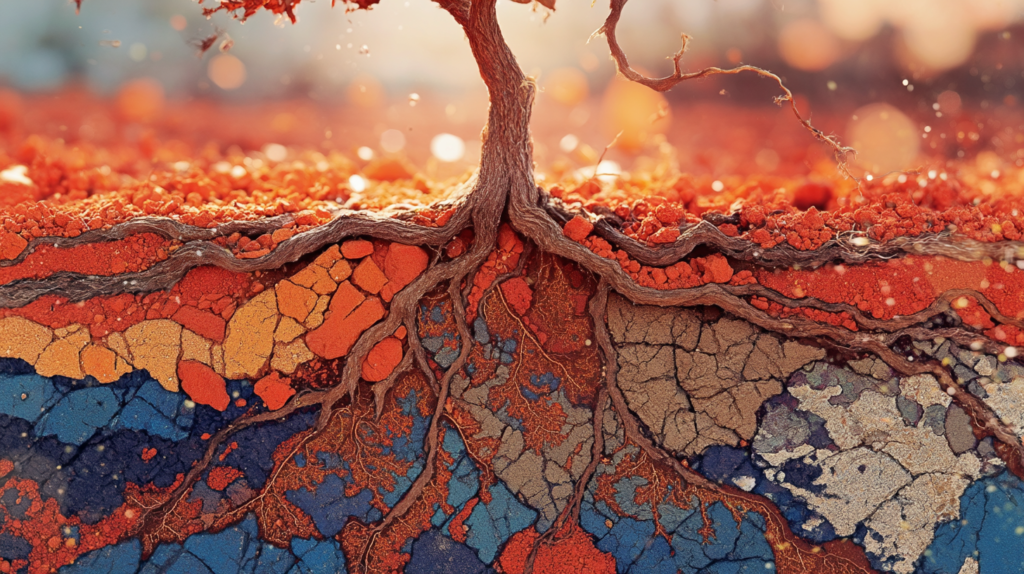
What comes to mind when considering organic wine? Perhaps the image of a small, meticulous estate producing limited quantities, or bottles quietly reserved for the devoted enthusiast. While this perception has long shaped the wine landscape, recent data reveals a profound evolution.
From Boutique Vineyard to Global Presence
A recent industry analysis projects the global organic wine market to grow from an estimated $13.1 billion in 2025 to approximately $39 billion by 2035. With an average annual growth rate of 11.5 percent, compared to the modest 1 to 2 percent of the broader wine market, it is clear that organic viticulture is steadily moving to the forefront. This growth signifies a broader appreciation for wines crafted with environmental mindfulness. Red wine currently shapes the majority of this segment. Varieties with robust structures, such as Cabernet Sauvignon, Merlot, and Syrah, inherently complement the meticulous nature of organic farming. The concentrated character of organically grown grapes finds a particularly vivid expression in these varietals, resulting in wines with notable aging potential and culinary versatility.
A Global Movement Rooted in Tradition
Europe naturally remains at the forefront, with France, Italy, and Spain having established rigorous organic frameworks decades ago. In these regions, the transition toward biodynamic practices, guided by natural rhythms, and regenerative agriculture continues to deepen the relationship between the vigneron and the soil. North America also sees consistent expansion, particularly in California and Oregon. In the Asia-Pacific region, an evolving wine culture is cultivating a new landscape. Across urban centers in Southeast Asia, the appreciation for thoughtfully produced, premium wines is visibly maturing.
The True Value of Sustainable Craft
The perception of organic wine is often intertwined with its cost. Organic viticulture requires immense dedication, yielding smaller harvests and demanding a rigorous, multi-year conversion period before certification is granted. Historically, this meticulous care was reflected in higher price points. However, the landscape is evolving. As appreciation deepens, structural efficiencies are emerging. More importantly, modern connoisseurs recognize that the value of these wines extends beyond the liquid in the glass. It is about understanding the philosophy of the estate and the integrity of the terroir. A mindful approach to the environment, paired with a transparent backstory, creates a resonance that many find deeply rewarding.
Evolving Palates in Bangkok
These global shifts are subtly reshaping Bangkok’s culinary landscape. Organic wine is naturally transitioning from a niche curiosity to an integral element of the dining experience. Fine establishments across Sukhumvit and Silom are thoughtfully curating their cellars to include organic and biodynamic selections. This evolution is supported by a diverse array of producers, from the historic estates of Europe to the expansive, climate-favored vineyards of South America, offering a rich tapestry of expressions.
For Bangkok’s sophisticated diners, the focus is expanding beyond tasting notes to encompass the origins and the craftsmanship behind the bottle. The presence of organic selections on a wine list now serves as a quiet reflection of a restaurant’s overarching philosophy, standing harmoniously alongside its culinary artistry. This alignment of values resonates deeply with our own approach to wine. Currently, more than 95 percent of our curated collection is crafted through organic practices|a reflection of our profound respect for the artisans and the authentic expression of their terroir, rather than a commercial statement. Ultimately, rather than a fleeting trend, this global embrace of organic viticulture represents a meaningful evolution in how we experience and appreciate wine. (Mr. Bacchus)
This image is intended solely to explore the global market trends and cultural significance of organic wine production, and does not aim to promote or encourage the consumption of alcohol. / ภาพนี้จัดทำขึ้นเพื่อนำเสนอข้อมูลเกี่ยวกับแนวโน้มตลาดโลกและความสำคัญทางวัฒนธรรมของการผลิตไวน์อินทรีย์เท่านั้น มิได้มีเจตนาเพื่อส่งเสริมหรือโฆษณาเครื่องดื่มแอลกอฮอล์ สำหรับผู้มีอายุ 20 ปีขึ้นไป โปรดดื่มอย่างรับผิดชอบ
Discover the culture behind every bottle
We share brewery stories, tasting notes and the craft of koji & fermentation | for educational and cultural purposes only.
เราถ่ายทอดเรื่องราวจากผู้ผลิต บันทึกรสชาติ และศาสตร์แห่งโคจิและการหมัก | เพื่อการศึกษาและวัฒนธรรมเท่านั้น
Follow on Instagram FacebookRelated Articles
“Organic Wine Leaves the “Niche” Behind” / “Diverging Paths in the Wine Market” / ““Organic” Is Backed by Legal Standards; “Natural” Is Self-Declared|How to Read a Wine Label” / “Ah! Organic? Biodynamic? Nature? What are the differences?”