
Drink
Why Does a Cedar Ball Hang under a Sake Brewery’s Eaves?|Sugidama, a Sign of Newly Brewed Sake
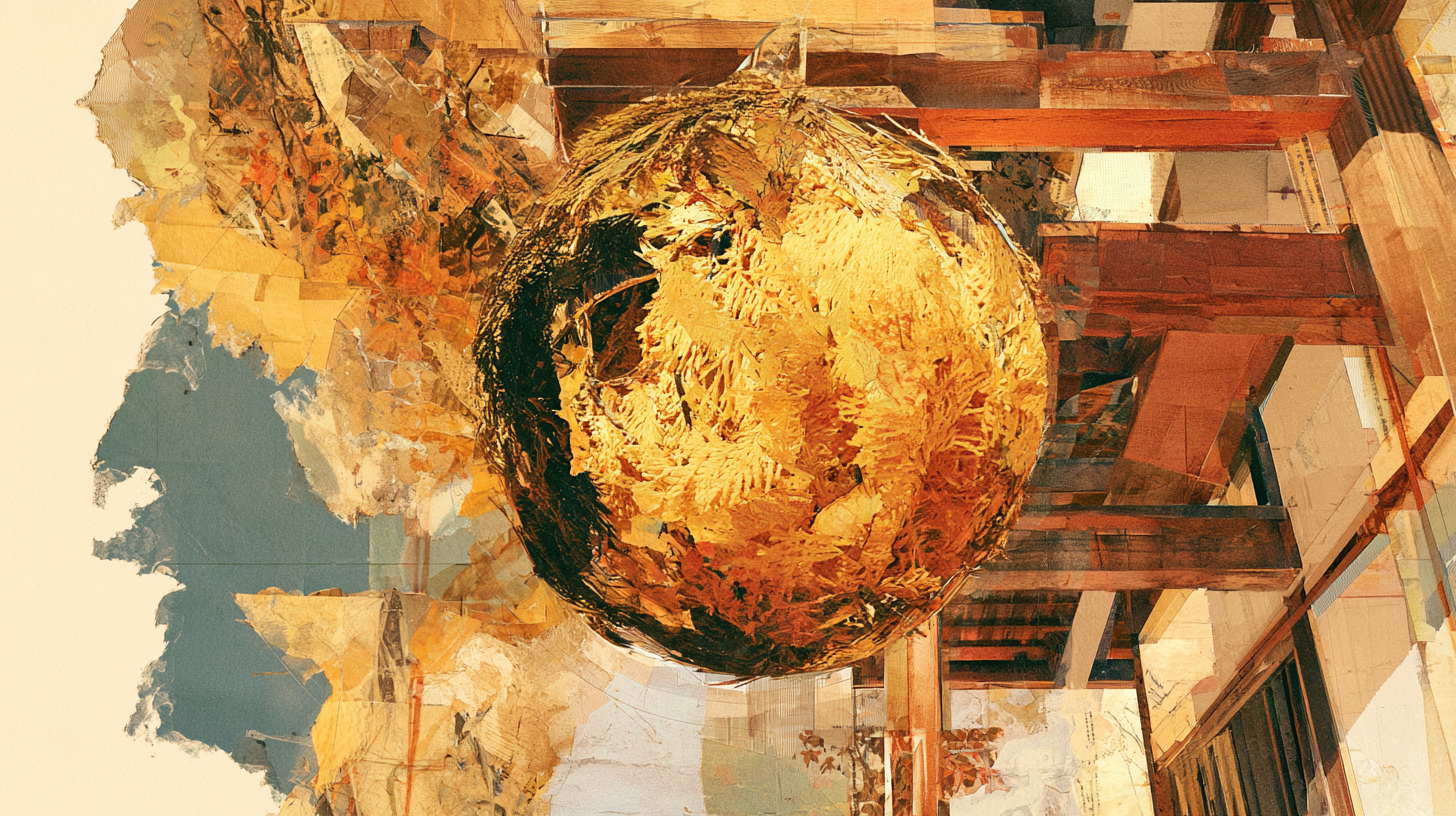
A large, round ball hangs at the entrance to a sake brewery. It is neither a floral decoration nor a light. Its surface is covered with fine cedar leaves. Although familiar in Japan, its purpose may not be clear to someone seeing it for the first time.
This is a sugidama, a sign announcing that a brewery has made new sake. It is also called sakabayashi. A round bundle of green leaves has long communicated the progress of brewing inside to people walking along the street.
Announcing New Sake at the Entrance
Around the time new sake is ready, breweries take down their old sugidama and replace it with a fresh, green one. A fresh green ball takes the place of the reddish-brown one. Even when brewing is underway inside, it is difficult to see that work from outside. The sugidama has served to announce, beneath the eaves, that new sake is ready.
To make a sugidama, branches and leaves are inserted from all sides into a core made of wire or similar materials. Gaps are filled, and protruding foliage is trimmed into a sphere. The work involves not only cutting the branch tips up close, but also stepping back to check the overall shape. Its round form is made by human hands.
With a written sign, we read the words to understand the message. With a sugidama, the round shape and the color of the newly replaced leaves serve as the markers. But their meaning is not apparent to a first-time observer. Learning its name and role transforms what looked like an entrance decoration into a sign of a milestone in brewing.
Behind the Choice of Cedar Are Prayers for Brewing
Tracing the origins of sugidama leads to Omiwa Shrine in Sakurai, Nara Prefecture. This Shinto shrine has long been a place of devotion for people involved in sake brewing.
According to the shrine’s account, a custom developed of using branches from the sacred cedars of Mount Miwa as signs for sake shops, eventually leading to sugidama being hung under the eaves. Alongside the announcement of new sake, prayers for safety in brewing have also been passed down. The shrine still bestows “shirushi no sugidama” on people involved in sake production.
Today, alongside those received from the shrine, some sugidama are made by brewery staff themselves, while others are commissioned from specialist makers. They are not all made in the same place. Gathering branches and leaves, shaping them and replacing the previous year’s ball: the custom is also passed on through this work.
From Green to Brown: Changes in the Leaves and Changes in Sake
A new sugidama is green, but its leaves dry and turn brown over time. That change in color has traditionally been associated with the time during which newly brewed sake is stored and matures.
A brown sugidama also shows the passage of time. Once-green leaves dry and change color while retaining the same round form beneath the eaves. The difference becomes clear when it is replaced with a new one.
This should be understood as a custom that marks the seasons. What the color of the cedar leaves shows first is a change in the leaves themselves. How the aroma and flavor of an individual sake have changed depends on its production method and storage conditions. A sugidama alone cannot tell us the condition of the sake inside a bottle.
The timing of replacement also differs between breweries. Some hang a new ball when their new sake is ready; others do so when it arrives from the shrine. Sugidama are not replaced throughout Japan on the same day. They are markers that follow each brewery’s work and customs.
When introducing Japanese sake culture in Bangkok, a sugidama offers a visible starting point. A first explanation can simply describe it as cedar foliage shaped into a ball and hung to announce that new sake is ready. The prayers associated with the custom and the work of remaking it each year can follow.
A brown sugidama is taken down, and a green one is hung in its place. That work beneath the eaves connects the brewing inside with the lives of people walking past outside.
This article explores the cultural background and craftsmanship of sugidama in Japanese sake brewing for educational purposes. It does not promote the purchase or consumption of alcohol. Intended for readers aged 20 and over.
บทความนี้นำเสนอข้อมูลเกี่ยวกับภูมิหลังทางวัฒนธรรมและงานฝีมือการทำสุกิดามะในวัฒนธรรมการผลิตสาเกญี่ปุ่นเพื่อการศึกษา มิได้มีเจตนาส่งเสริมการซื้อหรือการบริโภคเครื่องดื่มแอลกอฮอล์ สำหรับผู้อ่านอายุ 20 ปีขึ้นไป
Discover the culture behind every bottle
We share brewery stories, tasting notes and the craft of koji & fermentation | for educational and cultural purposes only.
เราถ่ายทอดเรื่องราวจากผู้ผลิต บันทึกรสชาติ และศาสตร์แห่งโคจิและการหมัก | เพื่อการศึกษาและวัฒนธรรมเท่านั้น
Follow on Instagram Facebook
