
Drink
Standardizing Sake Education|Drawing on the Sommelier’s Lens
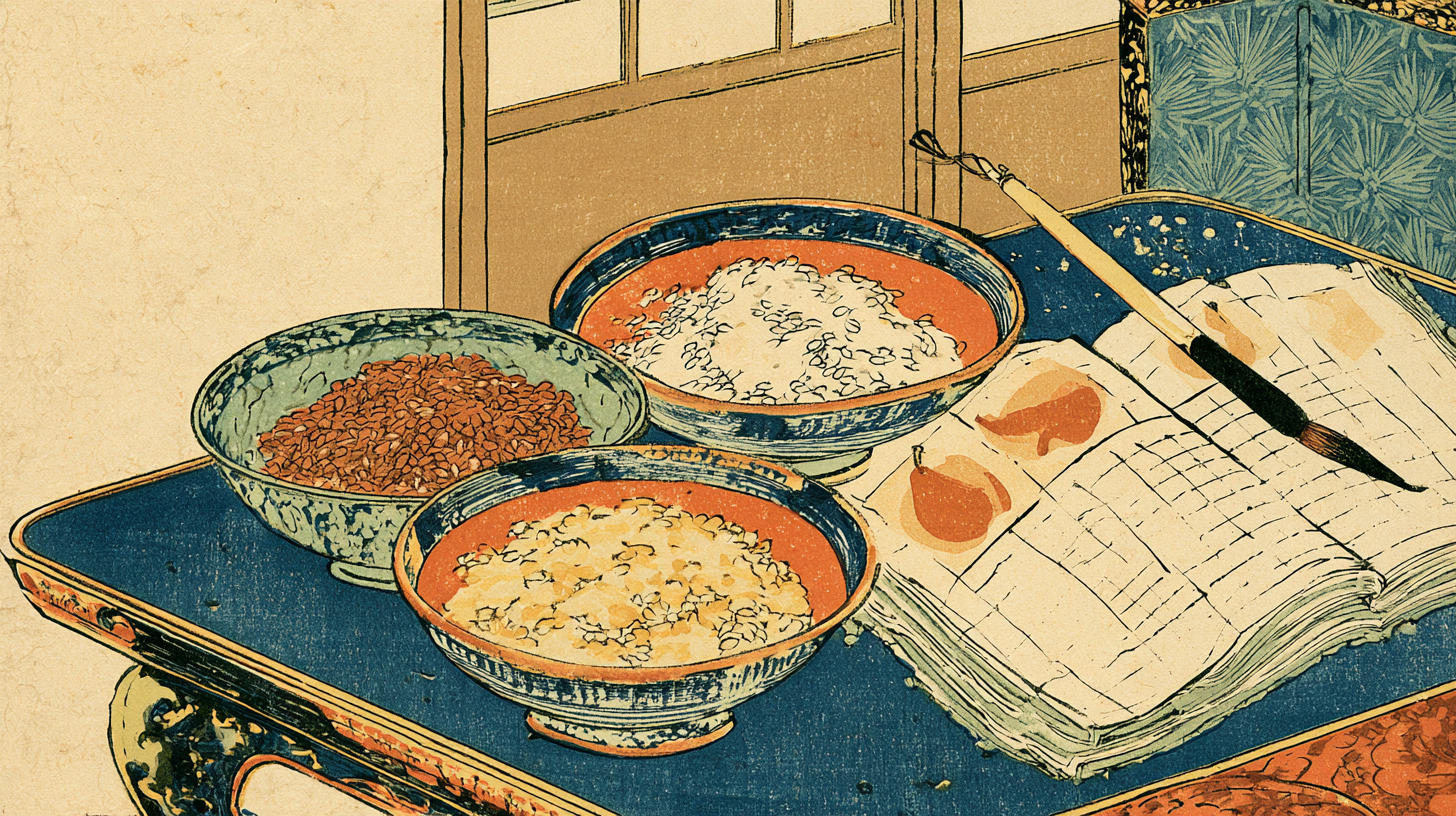
One role of sake education is to establish shared vocabulary and categories for recording aromas and flavors, making differences in perception easier to discuss. The observational skills honed by wine sommeliers can also support this learning.
Consider two people describing the same sake: one notes a “pronounced fruity aroma,” while the other calls it “sweet.” The first describes aroma; the second describes taste. What has each person perceived, and which attribute are they discussing? Clarifying those questions provides a foundation for comparing their impressions.
Bridging Introductory and Advanced Study
In 2024, an intermediate course was added to one international sake qualification. It connects introductory study of basic sake styles and service with advanced study of production methods.
The curriculum covers rice and koji management, fermentation, dilution, packaging, and label terminology. Alongside production knowledge, students learn to describe the characteristics of actual sake samples using defined categories. The course brings together how sake is made and what can be perceived in the glass.
The course requires a minimum of 26 hours for study and assessment: 14 hours of guided instruction, 11 hours of private study, and a one-hour examination. The multiple-choice exam checks what students have learned. Although delivery formats vary, the course content and assessment framework remain consistent.
Efforts to broaden access to shared learning frameworks are also progressing. In 2026, an international award was established to recognize educational institutions supporting learners and expanding access to beverage education. In the United States, a distilled spirits industry association announced the introduction of sake courses. Alongside the development of course content, opportunities to study sake are widening.
Applying the Sommelier’s Method to Sake
Wine sommeliers examine aroma intensity, sweetness, acidity, texture, and finish separately, connecting those observations to grape variety and winemaking knowledge. This way of organizing impressions also helps when learning about sake.
In sake study, umami is treated as a separate category. Even when a sake has a pronounced fruity aroma, sweetness is recorded independently. A broad word such as “aromatic” can become a more specific description of aroma character and intensity, with the degree of sweetness noted separately.
Sake’s production methods are another part of the learning. Rice koji is steamed rice on which koji mold has been cultivated. The mold produces enzymes that break down rice starch into sugars, which yeast converts into alcohol. Learning about these processes and rice polishing helps students distinguish production information on labels and other materials from the characteristics they perceive themselves.
Comparing Perceptions Through Shared Categories
The value of shared categories becomes clearer when two sets of notes are placed side by side. Suppose one person writes, “Pear-like aroma, gentle acidity,” and another writes, “Apple-like aroma, gentle acidity.”
Here, acidity is described in the same words, while the aroma descriptions differ. Before asking which person is correct, they can identify where their impressions diverge. Recording aroma character, aroma intensity, and taste characteristics as separate categories provides a starting point for that comparison.
Perception varies from person to person. Shared vocabulary makes those differences easier to discuss precisely. Someone who writes “mellow” can be asked whether they mean a soft mouthfeel or gentle acidity. Clarifying the meaning of a word is itself part of learning.
Finding the Next Step in the Notes
A restaurant holding a sake study session could introduce recording sheets with shared categories. Staff can note serving temperature and compare their impressions. When a wine professional shares how they approach observation, colleagues who are new to sake gain a clearer sense of what to look for.
Notes should distinguish information verified on labels or in producers’ materials from personal observations. Someone who struggles to describe an aroma can next study aroma vocabulary. Someone encountering an unfamiliar production term can look up its meaning. Reviewing the notes makes the next question to explore more specific.
A record that once said only “aromatic” can be expanded with aroma character and intensity, along with the degree of sweetness and acidity. Using the shared categories and vocabulary taught in sake education allows learners to ask specific questions about one another’s notes. Those exchanges help reveal what to learn next.
This article explores sake education, production knowledge and the shared language used to describe sake. It does not promote the purchase or consumption of alcohol. Intended for readers aged 20 and over.
บทความนี้นำเสนอข้อมูลเกี่ยวกับการเรียนรู้เรื่องสาเก ความรู้ด้านการผลิต และการใช้คำอธิบายร่วมกันเพื่อสื่อสารลักษณะของสาเก มิได้มีเจตนาส่งเสริมการซื้อหรือการบริโภคเครื่องดื่มแอลกอฮอล์ สำหรับผู้อ่านอายุ 20 ปีขึ้นไป
Discover the culture behind every bottle
We share brewery stories, tasting notes and the craft of koji & fermentation — for educational and cultural purposes only.
เราถ่ายทอดเรื่องราวจากผู้ผลิต บันทึกรสชาติ และศาสตร์แห่งโคจิและการหมัก — เพื่อการศึกษาและวัฒนธรรมเท่านั้น
Follow on Instagram Facebook
