
Drink
How Namazake Can Now Cross the Sea
How the Cold Chain Redefined the Sake Landscape
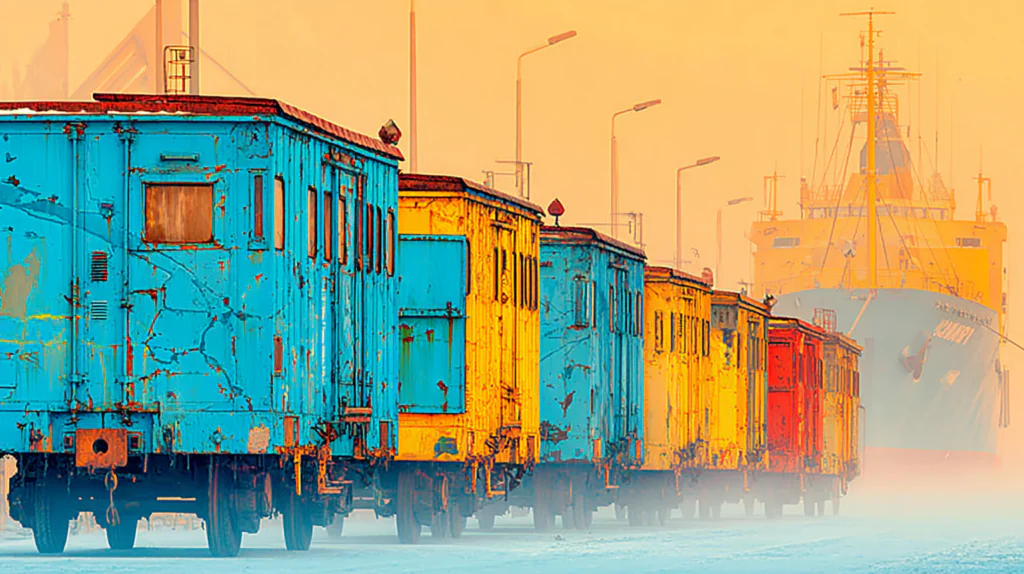
Sake typically undergoes a traditional process called hiire, a method of pasteurization through heating. This vital step sterilizes the liquid, suppresses enzyme activity, and stabilizes overall quality. Sake that skips this process is known as namazake, or unpasteurized sake.
Namazake retains the fresh, vibrant character of newly pressed sake, yet it remains remarkably sensitive to temperature fluctuations. If temperature control is inadequate, its flavor can deteriorate. For decades, delivering namazake overseas while preserving its pristine quality was difficult. The turning point arrived with the evolution of refrigerated distribution: the cold chain.
The Fragility of Unpasteurized Flavor
In the late 1990s, sake in the United States remained a niche offering, largely confined to local Japanese restaurants. At the time, shipping in unrefrigerated containers was standard practice. During the long voyage across the Pacific, these delicate beverages were exposed to ambient heat, arriving altered and stripped of their intended character.
Even pasteurized sake suffered degradation under such conditions, making the transport of unpasteurized sake entirely out of the question. The infrastructure required to protect such fragile flavor profiles across continents simply did not yet exist.
A Paradigm Shift: Treating Sake as Fresh Produce
The transformation began in the early 2000s, centered around what was said to be the first dedicated sake specialty shop outside Japan, located in San Francisco. Facing repeated instances of sake compromised by standard ambient-temperature shipping, this was said to have changed how the industry thought about handling sake.
From this challenge emerged a defining philosophy: sake should be treated with the same care as fresh, perishable food.
Much like delicate seafood or fine produce, namazake required continuous chilling from the moment it left the brewery until it reached the retail shelf. This realization sparked early initiatives to transport namazake in specialized refrigerated containers, prompting specialty retailers to adopt a “fresh rotation” model|buying fresh sake to replace only what had sold.
The Rigor of Constant Refrigeration
Maintaining an unbroken cold chain demands absolute precision. From the cellars of Japan to overseas boutique shelves, the transit window can span anywhere from three to five months. Throughout this journey, the refrigeration system cannot falter for a single moment.
The cost of continuous refrigeration presented unfamiliar territory for distributors accustomed to handling wine. Yet, delivering fresh sake in proper conditions became a major point of differentiation. Where specialty stores once offered four to eight namazake labels, some now carry more than 20. The meticulous effort required to maintain this constant chill is precisely what has allowed the world of namazake to expand far beyond Japan.
Bangkok and the Need for Cold Chains
This narrative holds profound relevance here in Bangkok. In a city defined by year-round tropical warmth, maintaining the cold chain becomes even more important.
Can sake be brought from port to store without its temperature rising? This is more than a question of protecting flavor. It is also a way to respect, through the final delivery, what makers have created from rice and water over time. As namazake distribution expands, the quiet work of keeping it chilled and delivering it that way will become increasingly important in Bangkok. (Mr. Bacchus)
This article is intended solely to explore the cultural and logistical context of fresh (nama) sake and cold-chain distribution, and does not aim to promote or encourage the consumption of alcohol. / บทความนี้จัดทำขึ้นเพื่อนำเสนอข้อมูลเกี่ยวกับบริบททางวัฒนธรรมและโลจิสติกส์ของสาเกสด (นามะ) และการกระจายสินค้าแบบควบคุมความเย็นเท่านั้น มิได้มีเจตนาเพื่อส่งเสริมหรือโฆษณาเครื่องดื่มแอลกอฮอล์ สำหรับผู้มีอายุ 20 ปีขึ้นไป โปรดดื่มอย่างรับผิดชอบ
Discover the culture behind every bottle
We share brewery stories, tasting notes and the craft of koji & fermentation | for educational and cultural purposes only.
เราถ่ายทอดเรื่องราวจากผู้ผลิต บันทึกรสชาติ และศาสตร์แห่งโคจิและการหมัก | เพื่อการศึกษาและวัฒนธรรมเท่านั้น
Follow on Instagram FacebookRelated Articles
“How Pasteurization Shapes the Identity of Sake: The Heritage of Autumn’s Hiyaoroshi”

