

The Untapped Essence Quietly Reshaping Global Gastronomy
Sake Kasu: The Untapped Essence Quietly Reshaping Global Gastronomy
When sake is made, something of profound value is always left behind.
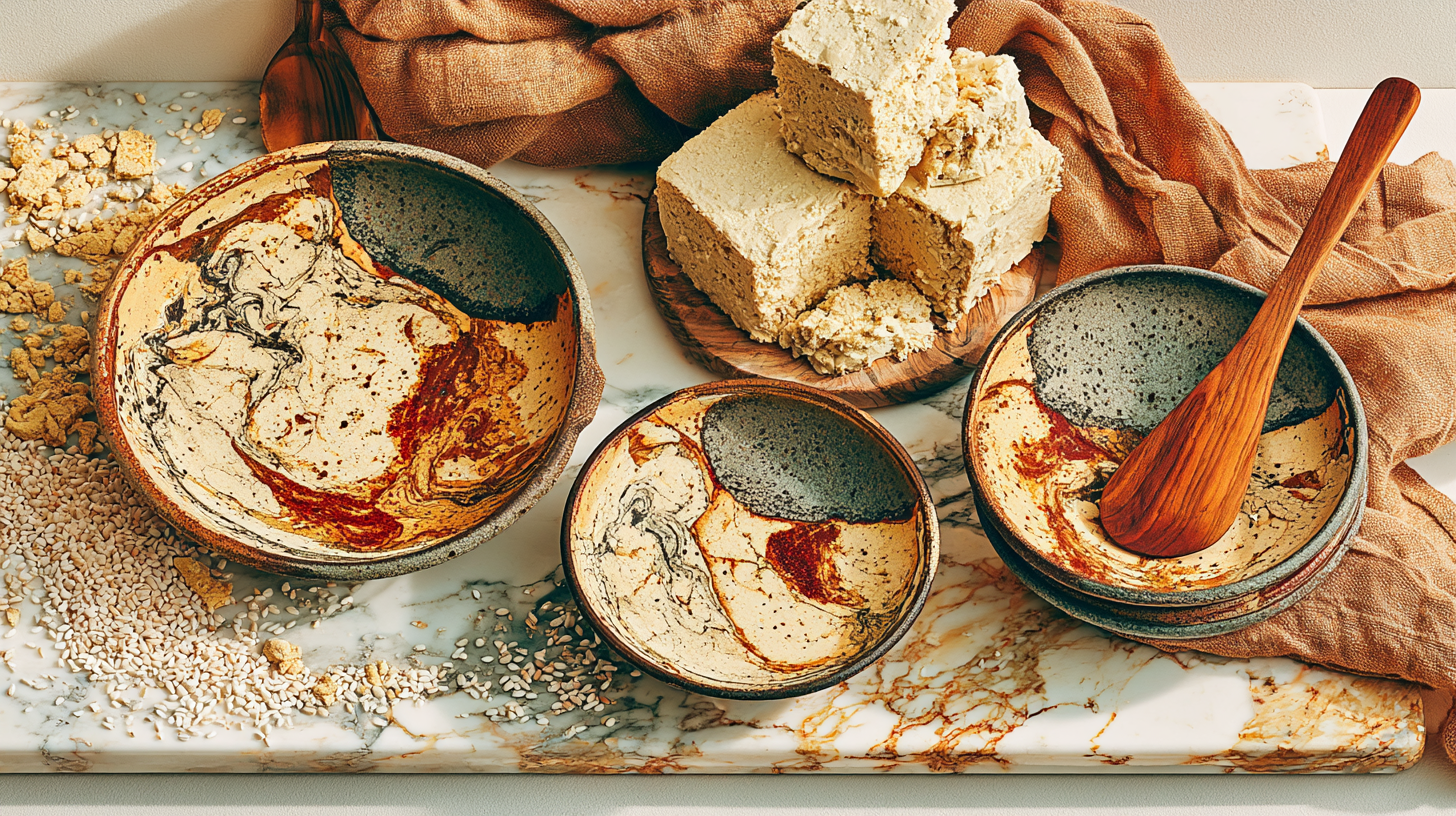
As rice, rice koji, water, and yeast ferment together over time, the liquid is eventually pressed away. What remains is sake kasu—or sake lees. White, soft, and deeply aromatic, this material has long been treated merely as a by-product of the brewing process. In Japan, it remains a nostalgic staple, comforting families in winter hot pots, kasu-jiru soups, and traditional kasu-zuke marinades. Yet, as international chefs encounter it for the first time, they often arrive at the same realization: “Why has an ingredient this powerful remained hidden for so long?”
The Anatomy of a Cultured Ingredient
The volume of sake kasu produced fluctuates depending on the variety of rice and the precision of the press, but traditional sake brewing yields it in abundance. In Japan, annual production reaches tens of thousands of tons. While a significant portion is channeled into processed foods or agriculture, much of it has historically been undervalued.
Despite its status as a secondary material, sake kasu possesses a remarkable structural complexity. It is naturally rich in amino acids—specifically glutamic acid and aspartic acid—which serve as the bedrock of pure umami. It remains dense with active enzymes and retains a delicate alcohol content of roughly 8% to 12%. When handled with care, it preserves beautifully. In culinary terms, it is a natural amplifier of flavor; its only true obstacle has been the lack of wider recognition outside the brewery walls.
The Alchemy of Transformation
Sake kasu captivates contemporary chefs because it represents a stage of flavor that has already been meticulously unlocked. During the brewing cycle, koji mold breaks down rice starches and proteins into simple sugars, rich amino acids, and live enzymes. When applied to protein, these active components gently tenderize meat or fish while coaxing out an unexpected structural depth.
This explains why fish marinated in sake kasu emerges from the flame uniquely moist, fragrant, and elegantly matured. It does not merely coat the surface; it transforms the ingredient from within.
Since the late 2010s, as the global culinary world has turned its focus toward the science of fermentation, sake kasu has been rediscovered as a pristine source of umami. A element long woven into the fabric of Japanese daily life is now being reinterpreted by international culinary minds, aligning with a broader movement that views fermentation not just as preservation, but as an advanced culinary art.
In Tokyo, Michelin-starred kitchens now incorporate sake kasu through innovative, modern techniques. Moving past the traditional Edo-period methods of preserving fish, contemporary chefs are integrating it into nuanced sauces cut with vinegar, using it as a complex starter for sourdough bread, and infusing it into avant-garde ice creams. These applications translate the ancient aroma of the sake brewery into the refined vocabulary of modern dining.
A Global Movement of Curiosity
In New York, progressive American kitchens influenced by Japanese methodologies are utilizing sake kasu as a base for deeply layered marinades and experimenting with it to create cultured, fermented butters. Dishes featuring grilled white fish glazed with sake kasu or delicate savory dips blending the ingredient with cream cheese have begun to capture the imagination of the city’s culinary community.
Across London’s natural wine scene, independent bar-restaurants are exploring low-intervention fermentation projects, pairing sake kasu with wild yeasts. Because natural wine and craft sake share a common language of organic complexity, the ingredient integrates seamlessly into this culture of thoughtful experimentation.
Meanwhile, in Copenhagen, establishments founded by alumni of the Nordic food revolution are connecting directly with boutique Japanese breweries to establish dedicated import routes. This connection between cutting-edge Nordic fermentation research and traditional Japanese craftsmanship mirrors, in many ways, the early journey of soy sauce into western gastronomy decades ago.
Cultural Resonance Within Thai Gastronomy
Bangkok represents a highly receptive landscape for this ingredient. Throughout the 2020s, the city’s appreciation for the nuances of Japanese cuisine and live fermentation has matured significantly, backed by one of the most vibrant and discerning dining scenes in Southeast Asia.
Thai cuisine itself shares an intimate relationship with the architecture of umami and fermentation. Foundations like nam pla, kapi, and fermented fish pastes are rooted in the same culinary logic of intensifying flavor through time and micro-organisms. For a Thai chef, sake kasu feels entirely intuitive—it is simply a different cultural expression of a familiar culinary philosophy.
In Bangkok’s creative dining circuits, particularly among visionary chefs focusing on ingredient-driven menus, Japanese fermented components are being adopted with increasing regularity. Sake kasu also offers a distinct practical advantage: logistics networks already importing premium sake can seamlessly handle its delicate transport needs, making it remarkably accessible to the city’s top kitchens.
The Evolution of Value
The global reevaluation of sake kasu is far more than a passing trend. It reflects a permanent shift in modern gastronomy: a collective desire to uncover beauty and utility in elements once categorized as waste.
Just as grape pomace found new life as grappa, and spent grain from craft brewing is being transformed into artisan flours, sake kasu is charting a similar path of elevation. Japanese breweries are beginning to treat it as a strategic, expressive resource. Renowned producers in regions such as Niigata, Yamagata, and Hyogo are forming direct partnerships with culinary research labs and high-end distributors, while specialized platforms dedicated entirely to the culinary applications of sake kasu are emerging.
A New Horizon for Fermentation
As of 2026, while sake kasu is fully recognized as a culinary asset within Japan, international markets are observing its nascent, most exciting chapter. Collaborative efforts with biodynamic estates in France, fermentation labs in Scandinavia, and progressive kitchens across Southeast Asia are developing simultaneously.
As the world deepens its understanding of sake, the materials born from its creation are beginning to establish their own legacy. Sake kasu stands quietly at the intersection of master brewing, culinary innovation, and sustainable intent. In Bangkok and across the international culinary landscape, sake kasu is stepping out of the shadow of the brewing process, taking its rightful place as a compelling, essential ingredient in its own right. (Mr. Bacchus)
This article is intended solely to explore the brewing culture and culinary heritage surrounding sake lees (sake kasu), a by-product of the Japanese sake brewing tradition, and does not aim to promote or encourage the consumption of alcohol. / บทความนี้จัดทำขึ้นเพื่อนำเสนอข้อมูลเกี่ยวกับวัฒนธรรมการผลิตและมรดกทางอาหารที่เกี่ยวข้องกับกากสาเก (ซาเกะคาสึ) ซึ่งเป็นผลพลอยได้จากการผลิตสาเกของญี่ปุ่นเท่านั้น มิได้มีเจตนาเพื่อส่งเสริมหรือโฆษณาเครื่องดื่มแอลกอฮอล์ สำหรับผู้มีอายุ 20 ปีขึ้นไป โปรดดื่มอย่างรับผิดชอบ
Related Product(s)
HAKKAISAN Kasu-tori Shochu Yoroshiku Senman Arubeshi / KOJI CLEAR
Related Articles
“Umami in the Glass” / “Fermentation in 2026” / “When Koji Returns” / “Black Koji, White Koji, Yellow Koji” / “The Art of Clear Amazake KOJI CLEAR”