Bar
Umami in the Glass
The Fifth Taste in Cocktails, and Kouji’s Place Behind the Bar in 2026
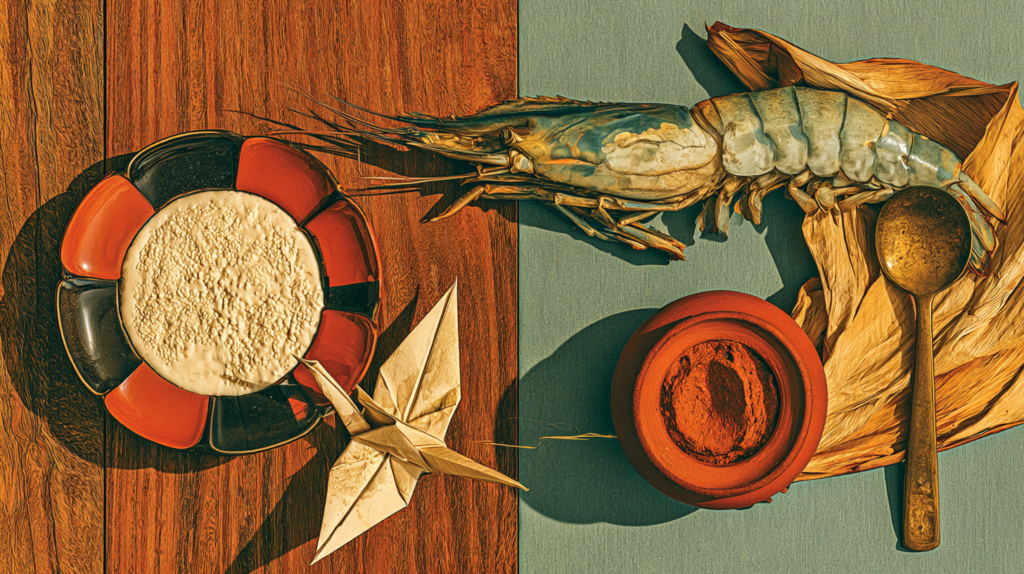
For generations, the architecture of a cocktail relied on four pillars: sweetness, acidity, bitterness, and saltiness. Today, umami|the fifth taste|is quietly establishing itself as a defining element within the glass.
According to a survey conducted in early 2026 by the U.S. drinks publication VinePair, 30 bartenders from around the world named the flavors they believe will shape the cocktail scene. Alongside familiar staples such as spicy peppers and citrus, their answers highlighted fermented ingredients such as miso, soy sauce, kombu, and koji.
Miso is being explored in a wide range of ways: distilled, infused, or even charred. No longer confined to the realm of Japanese cuisine, it is increasingly recognized as an essential ingredient category in mixology. Kombu, too, has begun to play the role of a subtle calibrator, praised for bringing maximum depth with minimal intervention.
From Sweetness to Depth
Behind this shift lies a deeper structural change in contemporary taste preferences.
According to Food Dive, discerning cocktail drinkers are no longer seeking straightforward sweetness. Instead, they desire umami structure, salinity, and layered acidity|in other words, a complexity that does not reveal itself all at once. Just as diners enjoy the thoughtful progression of a tasting menu, today’s patrons naturally expect their cocktails to gradually unfold.
Koji Moves from Hidden Accent to Structural Element
Among fermented ingredients, koji is experiencing particularly striking momentum. The bar industry publication CLASS Magazine has recently reported a global rise in cocktail programs built around this traditional ingredient.
The reason becomes remarkably clear at the molecular level. Through the enzymatic breakdown driven by Aspergillus oryzae, starches are converted into glucose, while proteins are elegantly transformed into amino acids. This dual conversion creates sweetness and umami simultaneously. In the delicate art of cocktail design, where balancing sweetness with structural depth is often the central challenge, koji serves as a rare element that resolves the equation at its source.
Bangkok: A Crossroads of Fermentation Cultures
Thailand holds a distinct advantage in this evolving landscape. Thai culinary heritage has long been rich in fermentation and umami, from the nuanced notes of nam pla to the depth of kapi. With seven Bangkok establishments making the Asia’s 50 Best Bars 2025 list, the city’s bar scene occupies a unique position to reinterpret local fermentation culture while global bartenders continue to “discover” ingredients like miso and kombu.
At KOUJI ALCHEMIST by Salon du Japonisant, our directly operated venue in Bangkok dedicated to Japanese koji culture, koji-based cocktails are quietly making their presence felt at this very intersection. Japanese fermentation heritage and Thailand’s own local traditions are meeting on an intimate stage: the cocktail glass.
An Ancient Craft Finds a New Canvas
Evolving taste preferences, the convergence of gastronomy and mixology, and a deeper appreciation for craft all intersect at fermentation. Techniques refined over millennia have naturally found a new canvas behind the bar.
The grammar of cocktails around the world is being quietly rewritten. (Mr. Bacchus)
This article is intended solely to explore the global cocktail industry trends, the role of fermented ingredients in modern mixology, and the cultural intersection between Japanese and Thai fermentation traditions, and does not aim to promote or encourage the consumption of alcohol. / บทความนี้จัดทำขึ้นเพื่อนำเสนอข้อมูลเกี่ยวกับแนวโน้มของอุตสาหกรรมค็อกเทลทั่วโลก บทบาทของวัตถุดิบหมักดองในมิกโซโลยียุคใหม่ และการบรรจบกันทางวัฒนธรรมระหว่างประเพณีการหมักดองของญี่ปุ่นและไทย เท่านั้น มิได้มีเจตนาเพื่อส่งเสริมหรือโฆษณาเครื่องดื่มแอลกอฮอล์ สำหรับผู้มีอายุ 20 ปีขึ้นไป โปรดดื่มอย่างรับผิดชอบ
Discover the culture behind every bottle
We share brewery stories, tasting notes and the craft of koji & fermentation | for educational and cultural purposes only.
เราถ่ายทอดเรื่องราวจากผู้ผลิต บันทึกรสชาติ และศาสตร์แห่งโคจิและการหมัก | เพื่อการศึกษาและวัฒนธรรมเท่านั้น
Follow on Instagram FacebookRelated Articles
“Why Kouji Is Emerging as a Key Ingredient in Cocktails” / “The Umami Evolution” / “Thirty Bartenders, Divergent Paths, a Shared Destination” / “Shochu Used to Be the “Odd Duck Out””