

The System Protecting Brown Sugar Shochu Is Not GI
The Truth Behind “It Can Only Be Made in Amami” — The System Protecting Brown Sugar Shochu Is Not GI
Brown sugar shochu can only be made in the Amami Islands. This fact is often explained in shops as being “protected by a geographical indication, like Scotch or Champagne.” Strictly speaking, however, that is not quite accurate. The basis for Amami’s exclusive right to produce it lies in a mechanism separate from what is commonly called GI.
A Geography Dictated by Law
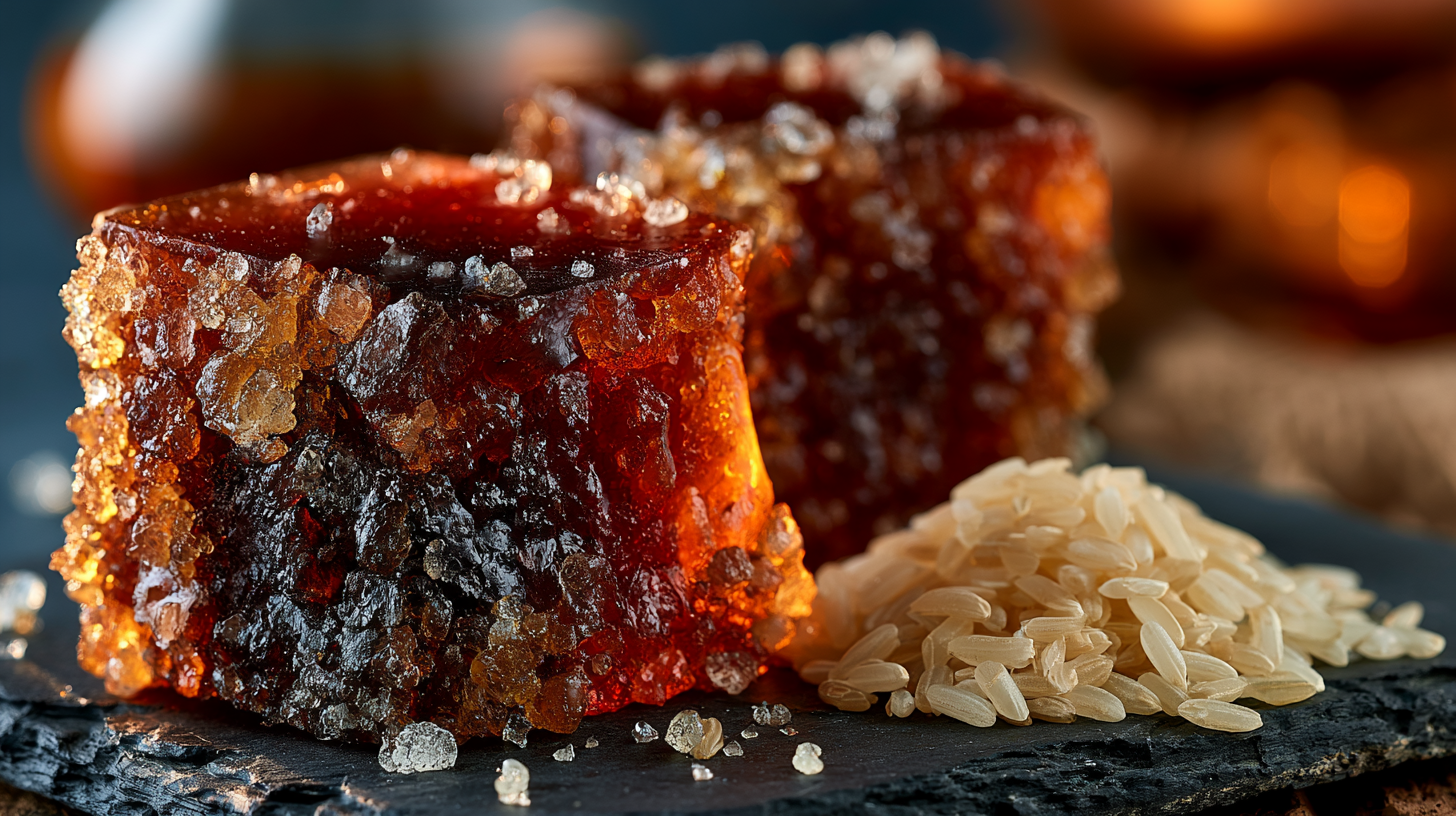
The defining feature of brown sugar shochu lies in its ingredients. It uses brown sugar as its main ingredient while also incorporating rice koji. Shochu made with this combination can only be produced in the Amami Islands of Kagoshima Prefecture. Across islands such as Kikaijima, Amami Ōshima, Tokunoshima, Okinoerabujima, and Yoronjima, more than twenty distilleries quietly operate.
Why only Amami? This is not merely a matter of flavor or tradition, but of the Liquor Tax Act. A distilled spirit made from brown sugar, unless it meets certain conditions, is classified under the Liquor Tax Act not as honkaku shochu but as spirits. Rum, which is also derived from sugarcane, falls into this category. The production of a spirit using brown sugar together with rice koji as “honkaku shochu” is legally permitted only in Amami. In other words, where it can be made is itself a line drawn by law.
An Exception Born of the Postwar Period
This administrative line holds a profound historical weight.
After World War II, the Amami Islands were temporarily placed under U.S. administration and stood outside the framework of Japan’s Liquor Tax Act. During that period, a culture of distilled spirits made with brown sugar took root on the islands. When Amami was restored to Japan in 1953, this deeply rooted practice was granted a rare, exceptional status—provided it incorporated rice koji.
In other words, brown sugar shochu is itself an institutional exception left behind on the islands by the unusual circumstances of the postwar era. Even today, a spirit with the same ingredient composition cannot be produced outside the Amami Islands as “brown sugar shochu” or as honkaku shochu under the current system.
The Nuance Between GI and Trademark
So where is the initial explanation involving “GI” inaccurate?
The shochu designated by the national government as geographical indications are Iki for barley shochu, Kuma for rice shochu, Satsuma for sweet potato shochu, Ryukyu for awamori, and Tokyo Island Spirits, added in 2024. Brown sugar shochu is not included in this GI list at the time of writing.
Meanwhile, “Amami Brown Sugar Shochu” is registered as a regional collective trademark, with the designated goods being “brown sugar shochu produced in the Amami Islands of Kagoshima Prefecture.” This is a system through which the producers’ association protects the name as a regional asset. If GI is a system that allows only alcoholic beverages meeting standards for origin, ingredients, and production method to use a place name, a regional collective trademark is a system designed to prevent unauthorized use of that name. What is protected, and how it is protected, are different.
Although brown sugar shochu is often discussed in terms of GI, it is in fact supported by two separate mechanisms: production restrictions under the Liquor Tax Act and name protection through a regional collective trademark.
The Quiet Legacy of a System
Brown sugar shochu differs in lineage from rum, even though both are derived from sugarcane. It is a type of honkaku shochu made with rice koji and finished through single distillation.
How, then, should the statement “only Amami can make it” be expressed accurately? The answer lies not in romance, but in the system—geographic restriction and name protection. To truly appreciate the narrative of a region, one must understand the structural frameworks that sustain it. Brown sugar shochu quietly reminds us of this subtle truth.
This article is intended solely to explore the legal framework, production methods, and cultural heritage of kokuto shochu (Japanese black sugar shochu from the Amami Islands), and does not aim to promote or encourage the consumption of alcohol. / บทความนี้จัดทำขึ้นเพื่อนำเสนอข้อมูลเกี่ยวกับกรอบกฎหมาย วิธีการผลิต และมรดกทางวัฒนธรรมของโชจูน้ำตาลทรายดำ (黒糖焼酎) จากหมู่เกาะอามามิ ประเทศญี่ปุ่น เท่านั้น มิได้มีเจตนาเพื่อส่งเสริมหรือโฆษณาเครื่องดื่มแอลกอฮอล์ สำหรับผู้มีอายุ 20 ปีขึ้นไป โปรดดื่มอย่างรับผิดชอบ
Discover the culture behind every bottle
We share brewery stories, tasting notes and the craft of koji & fermentation — for educational and cultural purposes only.
เราถ่ายทอดเรื่องราวจากผู้ผลิต บันทึกรสชาติ และศาสตร์แห่งโคจิและการหมัก — เพื่อการศึกษาและวัฒนธรรมเท่านั้น
Related Articles
“From the Cellars of Tatsugo to Brown Spirits” / “Letting Sound Shape Shochu” / “A Shochu by Nature, a Liqueur by Law” / “The True Vernacular of the Land”