Blog
วันที่บทสวดกลายเป็นชื่อดิน — Clos des Litanies 2021 ความสงบ 500 ปี
วันที่บทสวดกลายเป็นชื่อดิน — Clos des Litanies 2021 ความสงบ 500 ปี
ค.ศ. 1514 มุมเล็กๆ ของ Pomerol
วันที่ 19 เมษายน ค.ศ. 1514 เมือง Pomerol ทางตะวันตกเฉียงใต้ของฝรั่งเศส Jean de Vallon เจ้าอาวาสแห่งคณะอัศวิน Knights of Malta ได้แต่งตั้งพระหนุ่มรูปหนึ่งให้ดำรงตำแหน่งบาทหลวงประจำตำบล Saint-Jean-de-Pomerol ชายผู้นั้นชื่อ Mathieu Bossuet บันทึกในยุคนั้นระบุว่าเขาคือ “ผู้ได้รับการเสนอชื่อเพราะความเลื่อมใสศรัทธาและความสุจริตในการดำเนินชีวิตและศีลธรรม”
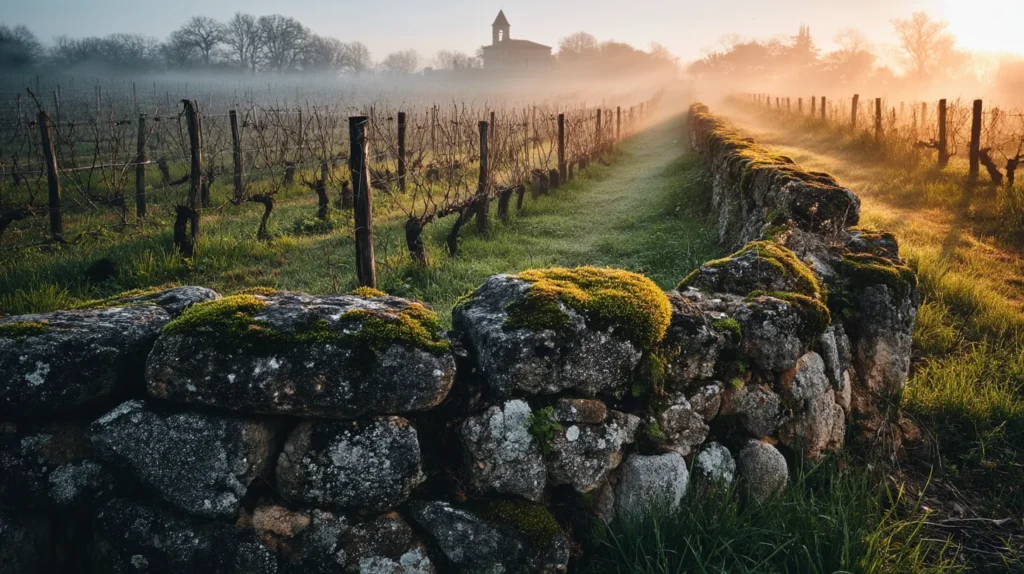
พระ Bossuet ละทิ้งความวุ่นวายของตำบล แล้วสำรวมตนอยู่ในแปลงดินเล็กๆ ที่โอบล้อมด้วยไร่องุ่น ที่นั่น เขาเปิดหนังสือสวดมนต์ทุกวัน และว่ากันว่าเขาท่องบท litany ถวายแด่นักบุญ Vincent ผู้เป็นนักบุญอุปถัมภ์ของผู้ผลิตไวน์ อย่างเงียบงัน ซ้ำแล้วซ้ำเล่า
เมื่อบทสวดกลายเป็นชื่อของแผ่นดิน
ผู้ที่ยังจดจำเสียงสวดของพระรูปนั้นได้คือบรรดา vigneron ในละแวกใกล้เคียง พวกเขาต้องการอนุรักษ์ความทรงจำนี้ไว้ตลอดกาล จึงพร้อมใจกันเรียกแปลงดินผืนนี้ว่า “Le Clos des Litanies” — สวนแห่งบทสวด
ห้าร้อยปีผ่านไป แปลงดินนี้ยังคงใช้ชื่อเดิม ไม่ใช่ภาษาการตลาด แต่เป็นแผ่นดินที่สืบทอดความสงบของพระรูปหนึ่งมาโดยตลอด
“Romanée-Conti แห่ง Pomerol” บนพื้นที่ 0.84 เฮกตาร์
Clos des Litanies เป็น monopole (ไร่ที่มีเจ้าของรายเดียว) ขนาดเพียง 0.84 เฮกตาร์ ผลิตประมาณ 5,000 ขวดต่อปี ปริมาณดังกล่าวน้อยกว่าไร่ Petrus ที่อยู่ติดกันถึงหนึ่งในหก ครอบครัวผู้ผลิต Établissements Joseph Janoueix เรียกไร่แห่งนี้เองว่า “Romanée-Conti แห่ง Pomerol”
ดินชั้นบนเป็นทราย ส่วนชั้นล่างเป็น crasse de fer หรือ “เปลือกเหล็ก” ที่อุดมด้วยแร่ธาตุ ความละเอียดของทรายและแร่เหล็กจากชั้นดินล่างสร้างสมดุลสองชั้นที่เป็นเอกลักษณ์ ในกระบวนการเพาะปลูก มีการตัดแต่งกิ่งตามวัฏจักรของดวงจันทร์ การเก็บเกี่ยวสีเขียวสองรอบ และการเก็บด้วยมือทั้งหมด โดยคนเก็บเกี่ยวคัดเลือกจากลูกค้าของบริษัทและบุตรหลานของพวกเขา ความสัมพันธ์ระหว่างดินกับผู้คนกลายเป็นส่วนหนึ่งของไวน์โดยตรง
บทตอบรับต่อปีที่เย็นเฉียบ 2021
ปี ค.ศ. 2021 เป็นปีที่ยากลำบากสำหรับบอร์โดซ์ — น้ำค้างแข็งและลูกเห็บ สภาพอากาศแปรปรวนในช่วงออกดอก และโรคราแป้งในฤดูร้อน Merlot ได้รับผลกระทบหนักเป็นพิเศษ ในปีเช่นนี้ การใช้ Merlot 100% คู่กับถังโอ๊คใหม่ 100% นับเป็นดาบสองคม
กระนั้น ครอบครัว Joseph Janoueix ก็ตอบสนองต่อความยากลำบากนั้นอย่างเงียบสงบ การหมักใช้ยีสต์ธรรมชาติเท่านั้น น้ำผลไม้ถ่ายเทด้วยแรงโน้มถ่วงโดยไม่ใช้ปั๊ม ถังหนึ่งในสิบเป็นทรงยาวรีแบบ “cigar” ซึ่งช่วยเพิ่มพื้นที่สัมผัสระหว่างไวน์กับตะกอน ส่งผลให้เนื้อสัมผัสนุ่มราวผ้าไหม
ผู้ดูแลการผลิตคือ Michel Rolland ที่ปรึกษาชั้นนำแห่งบอร์โดซ์ เขาบรรยายไวน์ขวดนี้ว่า “DES VINS SOYEUX” — ไวน์แห่งความนุ่มนวลดุจผ้าไหม กลิ่นชะเอมและอบเชย ประกบด้วยนัยของโกโก้ ความเป็นวินเทจที่เย็นปรากฏออกมาในรูปของความเป็นกรดสดชื่นและแอลกอฮอล์ที่กลมกล่อมพอดี
สืบทอดความสงบ
ห้าร้อยปีก่อน พระรูปหนึ่งสวดบท litany อย่างสงบเงียบในแปลงดินที่ล้อมรั้ว เสียงนั้นสูญหายไปแล้ว แต่ยังคงอยู่ในฐานะชื่อของแผ่นดิน
Clos des Litanies ไม่ใช่เพียงชื่อไร่ทั่วไป แต่เป็นบันทึกของความสงบที่ไม่จางหายแม้ผ่านมาห้าร้อยปี
This article is intended solely to explore the winemaking artistry and cultural heritage of Établissements Joseph Janoueix and the Clos des Litanies brand, and does not aim to promote or encourage the consumption of alcohol. / บทความนี้จัดทำขึ้นเพื่อนำเสนอข้อมูลเกี่ยวกับศิลปะการทำไวน์และมรดกทางวัฒนธรรมของ Établissements Joseph Janoueix และแบรนด์ Clos des Litanies เท่านั้น มิได้มีเจตนาเพื่อส่งเสริมหรือโฆษณาเครื่องดื่มแอลกอฮอล์ สำหรับผู้มีอายุ 20 ปีขึ้นไป โปรดดื่มอย่างรับผิดชอบ
Discover the culture behind every bottle
We share brewery stories, tasting notes and the craft of koji & fermentation — for educational and cultural purposes only.
เราถ่ายทอดเรื่องราวจากผู้ผลิต บันทึกรสชาติ และศาสตร์แห่งโคจิและการหมัก — เพื่อการศึกษาและวัฒนธรรมเท่านั้น
Follow on Instagram FacebookRelated Articles
“Six Centuries of Legacy” / “Château Fonroque, Château Mazeyres & Alain Moueix” / “Ah! Organic? Biodynamic? Nature? What are the differences?”