

Three Market Currents Defining 2026
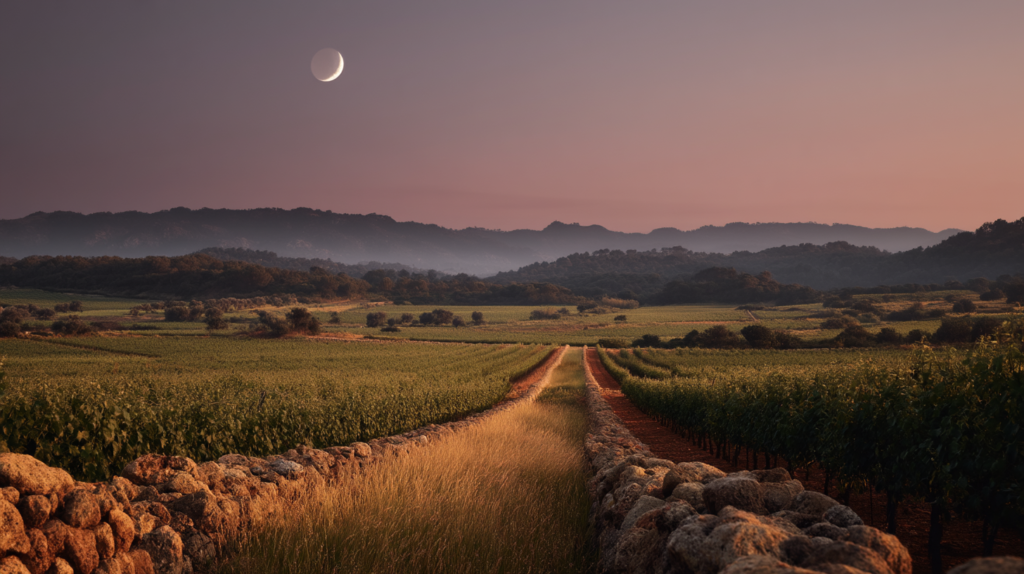
Mentions of organic wine on social media have increased by 150% year over year. Data from food and beverage analytics platform Tastewise reveals that this figure represents far more than a fleeting trend. It signals a profound structural shift: organic wine is transcending its long-standing reputation as a niche selection for the health- or sustainability-conscious, evolving into a category that resonates deeply with a much broader, discerning audience.
The Asymmetry of a Shrinking Market and a Growing Segment
While the overall wine market enters a period of maturity and contraction, organic wine is charting a remarkably distinct course. In France, for instance, organic wine sales grew by 6% in 2023, even as total wine consumption faced a decline.
Projections indicate that the global organic wine market is poised to nearly triple in size by 2030. This forecast reflects more than shifting consumer tastes; it underscores a structural divergence where a specialized segment continues to expand despite a contracting broader market. This momentum aligns with global dynamics, where premium and organic options increasingly empower heritage producers to maintain pricing power and articulate their uniqueness in a highly competitive landscape.
Three Key Drivers: Who’s Buying, Where It’s Made, and What They’re Choosing
- A Generational Shift in Demand
Today, Millennials drive approximately 52% of all organic product purchases, with around 60% of Millennial and Gen Z consumers expressing a genuine willingness to invest a premium in environmentally responsible practices. Consumers are no longer selecting bottles simply based on affordability; they are seeking out products that mirror their intrinsic values. This behavioral shift provides a resilient foundation for organic wine demand. The transition from price-driven choices to value-driven selection is not unique to wine—it mirrors a sweeping transformation taking place across the entire premium beverage industry. - Terroir and the Evolution of Winegrowing
Intriguingly, roughly 25% of California’s certified organic vineyards are now nestled within Napa Valley. Long celebrated for pairing large-scale conventional viticulture with world-class quality, Napa’s embrace of organic farming challenges the outdated notion that organic wine remains exclusively the domain of small, boutique producers. A similar philosophy is unfolding across the globe: biodynamic practices continue to flourish in France, while historic wine regions across Spain and Italy are accelerating their transition toward organic certification. Increasingly, organic agriculture is being embraced not merely as a sustainability metric, but as the ultimate tool for expressing terroir in its purest form. - New Formats, New Consumers
The landscape of 2026 is also defined by the elegant diversification of the category. Organic sparkling wines—particularly those from California—sophisticated canned formats, and certified organic rosés are all coming to the fore. Concurrently, wines crafted without added sulfites are gaining notable visibility as the historical boundaries between organic and natural wine beautifully blur. This diversification marks a departure from the perception that organic wine is overly serious or unapproachable. Sparkling and rosé expressions, alongside thoughtful alternative formats, are creating welcoming entry points for enthusiasts who may never have previously considered the organic category.
Challenges Create Opportunities for Storytelling
Despite this undeniable momentum, the category navigates several structural nuances. Certification standards vary subtly across borders, labor-intensive farming naturally influences production costs, and consumer education remains a work in progress.
A widespread nuance that remains misunderstood is the distinction between organic and natural wines, with many using the terms interchangeably despite distinct production methods and rigorous certification requirements.
Yet, this is precisely where the true value of storytelling emerges. The philosophy of the artisan, the symbiotic relationship between the vineyard and the soil, and the dedication behind the certification all become woven into the liquid itself. Those who can articulate these narratives with clarity and grace are increasingly well-positioned to earn the lasting trust of the consumer.
The Next Conversation in Bangkok
In Bangkok’s evolving dining scene, the appetite for premiumization and mindfulness is growing organically. Within fine-dining sanctuaries and curated hotel beverage programs, vintages with compelling narratives are becoming essential markers of distinction.
The ascent of organic wine ultimately reflects a broader cultural renaissance. The conversation is gracefully moving away from what a product does not contain, turning instead toward where it comes from, who poured their soul into it, and the philosophy that guided its creation.
This evolution in storytelling extends far beyond the vine. It illuminates a future where provenance, craftsmanship, and uncompromised authenticity become the central themes across the entire world of fermented beverages. (Mr. Bacchus)
This article is intended solely to explore cultural and market trends in the organic wine industry and does not aim to promote or encourage the consumption of alcohol. / บทความนี้จัดทำขึ้นเพื่อนำเสนอข้อมูลเกี่ยวกับแนวโน้มทางวัฒนธรรมและตลาดในอุตสาหกรรมไวน์ออร์แกนิกเท่านั้น มิได้มีเจตนาเพื่อส่งเสริมหรือโฆษณาเครื่องดื่มแอลกอฮอล์ สำหรับผู้มีอายุ 20 ปีขึ้นไป โปรดดื่มอย่างรับผิดชอบ
Related Articles
“More Than a Downturn” / “In a Shrinking World of Wine, Where Is Value Headed? ” / “Diverging Paths in the Wine Market” / “The Shifting Terroir”