

Welcome to the Fascinating World of Japanese Shochu!
Recently, Korean dramas have helped Korean shochu, known as soju, become very popular worldwide. However, did you know that Japan also has its own traditional style of shochu, with a long history and unique charm? At first, shochu might seem complicated because there are so many types, but actually, Japanese shochu has rich flavors and amazing variety. In this article, we’ll clearly explain what makes Japanese shochu special and how it differs from Korean shochu.
*Find our selection of Shochu from here!

Differences Between Japanese Shochu and Korean Shochu (Soju)
Ingredients
Korean shochu is often made from a mixture of ingredients such as rice, barley, sweet potatoes, corn, or tapioca. This blend creates a smooth, mild, and easy-to-drink taste. Japanese shochu, however, usually focuses on just one main ingredient, emphasizing the unique flavor and aroma of that ingredient. Here are some examples:
Sweet Potato Shochu (Imo Shochu): Rich, sweet, and aromatic, with flavors that vary depending on the sweet potato variety used.
Barley Shochu: Known for a smooth, clean, and mild taste, it pairs well with many different foods and is recommended for beginners.
Rice Shochu: Soft and elegant, it has a slightly sweet aroma similar to sake.
Brown Sugar Shochu: Made exclusively in the Amami Islands of Kagoshima, it offers a gentle sweetness and a rum-like aroma.
Production Methods
Most Korean shochu is made by continuous distillation, similar to the method used for Japan’s korui shochu. This method removes impurities, resulting in a clear and clean taste.
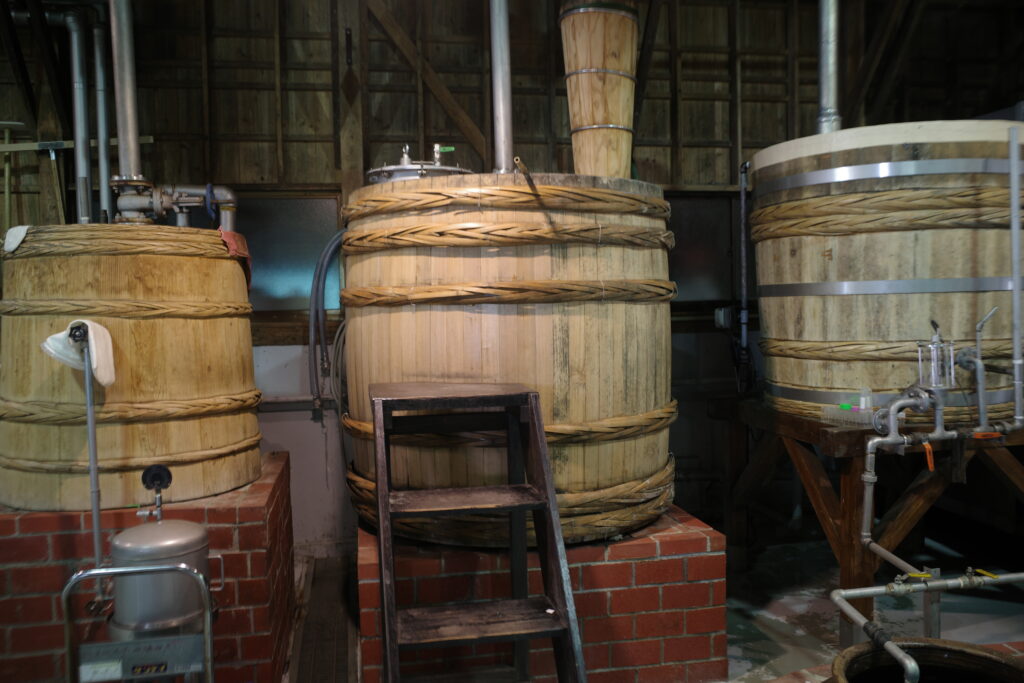
In contrast, traditional Japanese shochu—known as Honkaku Shochu—is distilled just once, preserving the original flavors and aromas of its ingredients. This single distillation brings out the full richness and distinctive character of each ingredient, which is one of the greatest charms of Japanese shochu.
Alcohol Content and How Easy It Is to Drink
Korean shochu generally has an alcohol content ranging between 15% to 20%, making it mild enough to drink straight easily.
Japanese shochu typically has an alcohol content around 20% to 25%, depending on the product and category. This technical difference is one reason Japanese shochu is often discussed through production method, ingredient base, dilution culture, and regional identity rather than through a single drinking format.
Enjoy the Rich Variety of Japanese Shochu
The real appeal of Japanese shochu is the amazing variety of flavors it offers. Even within a single type, like sweet potato shochu, tastes can differ significantly based on the region, ingredient type, or brewing method used by each distillery. Additionally, the way shochu is aged can also create diverse flavors:
- Shochu aged in wooden barrels develops a rich, whisky-like aroma.
- Shochu stored in traditional clay pots (kame-tsubo) becomes softer and smoother, providing a deeper taste experience.
Another important feature of Japanese shochu is the diversity of formats in which it appears across Japanese food culture. In writing about shochu, serving styles such as water dilution, warm-water dilution, soda, or ice should be treated as cultural and technical references, not as direct recommendations for consumption.
Reading Japanese Shochu Through Production and Culture
Japanese shochu is often explained through ingredient base, koji type, distillation method, regional origin, and serving culture. References to soda, ice, cold water, or warm water should be understood as part of this cultural vocabulary rather than as direct instructions or recommendations.
Examples such as sweet potato shochu, barley shochu, and rice shochu are useful for understanding how different raw materials shape aroma, texture, and production identity. The focus of this article is cultural and technical explanation, not consumption guidance
Compared with Korean soju, Japanese shochu can be understood through its wider range of raw materials, distillation methods, koji use, and regional traditions. This article is intended to explain those differences as cultural and production background, not to promote, encourage, or advertise the consumption of alcoholic beverages. (Mr. Bacchus)
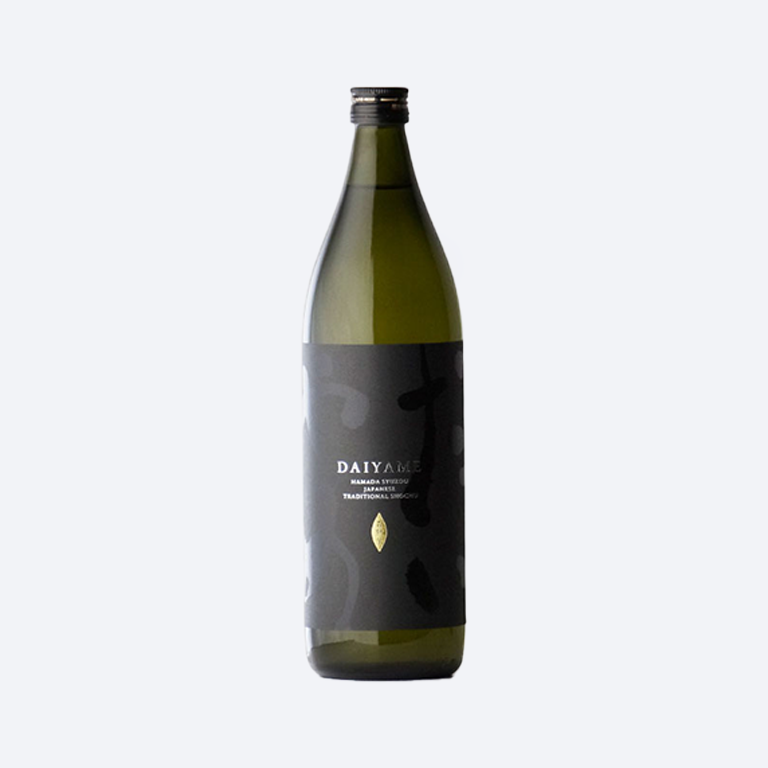
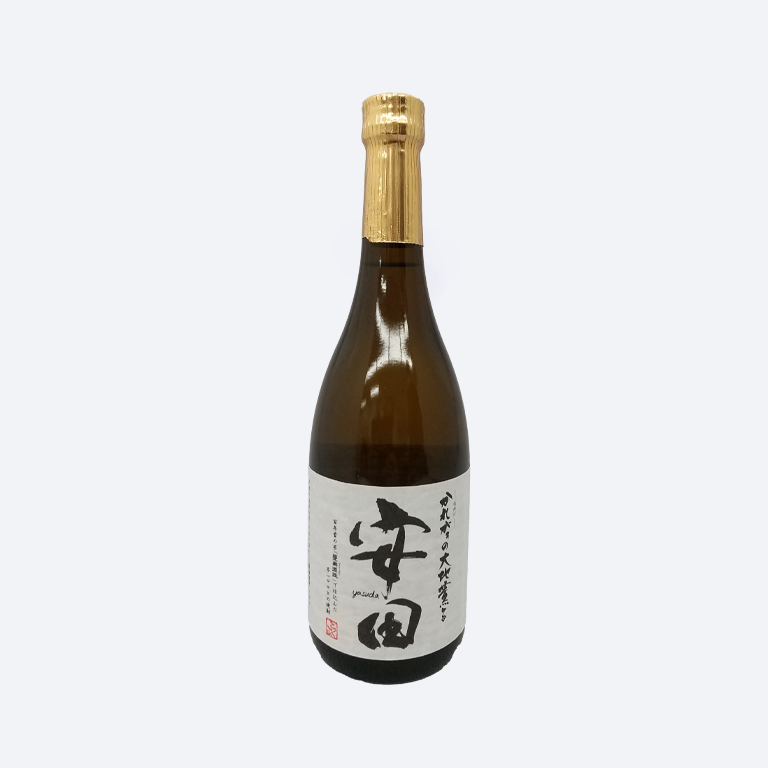
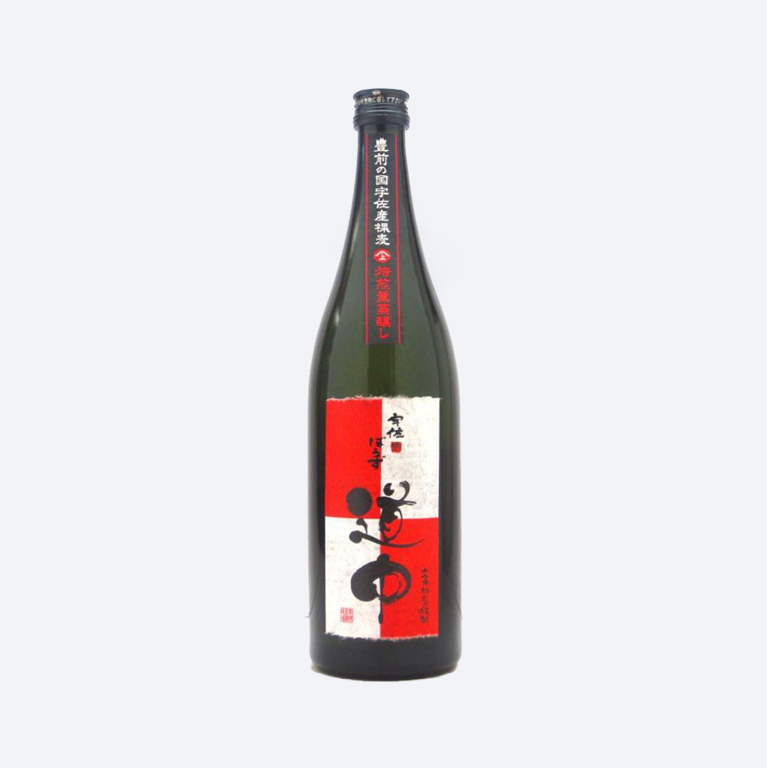
JYOTOKUYA DOUCHU
Barley
Roasted naked barley. A unique fragrant aroma and mellow flavor that opens in the mouth
Ingredient : Rice
ABV : 25%
*Link to complete info

OKUKUMA SHERRY CASK
Rice
Old wine aged for 7 years in sherry barrels. It has the original flavor of the barrel.
Ingredient : Rice
ABV : 40%
*Link to complete info
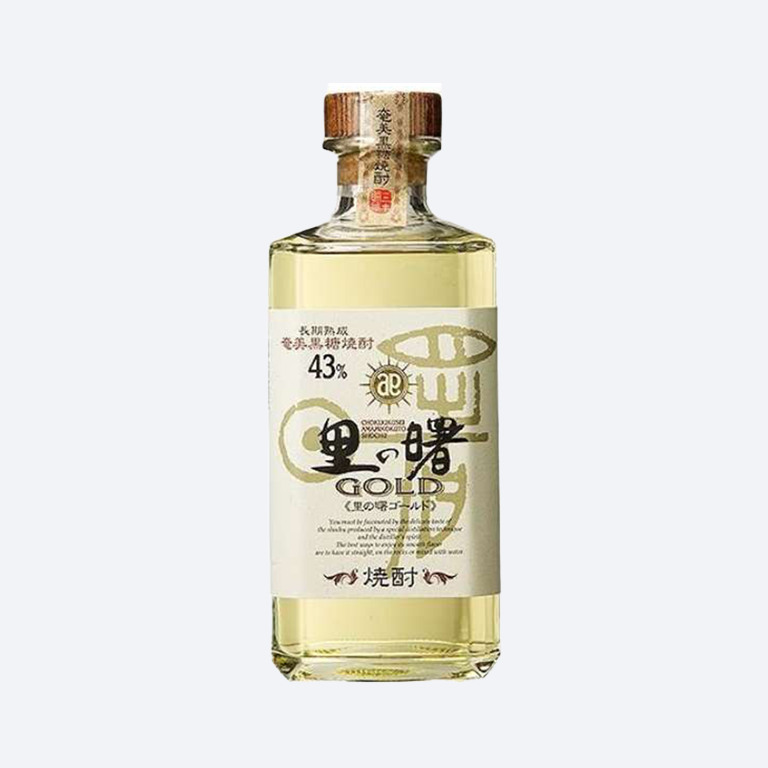
SATO NO AKEBONO GOLD 3 YEARS OLD
Brown Sugar
Brown Sugar in a oak barrels, 2018 LA International Spirits Competition Champion
Ingredient : Brown Sugar
ABV : 35%
*Link to complete info
*Find our selections of Shochu from here!
Discover the culture behind every bottle
We share brewery stories, tasting notes and the craft of koji & fermentation — for educational and cultural purposes only.
เราถ่ายทอดเรื่องราวจากผู้ผลิต บันทึกรสชาติ และศาสตร์แห่งโคจิและการหมัก — เพื่อการศึกษาและวัฒนธรรมเท่านั้น
Follow on Instagram FacebookRelated Articles
“The Invisible Spirit” / “The True Vernacular of the Land” / “A Parallel Spirit” / “Sushi and the Choice of Shochu”