

Why Georgian Wine and the Qvevri Resonate in Bangkok in 2026
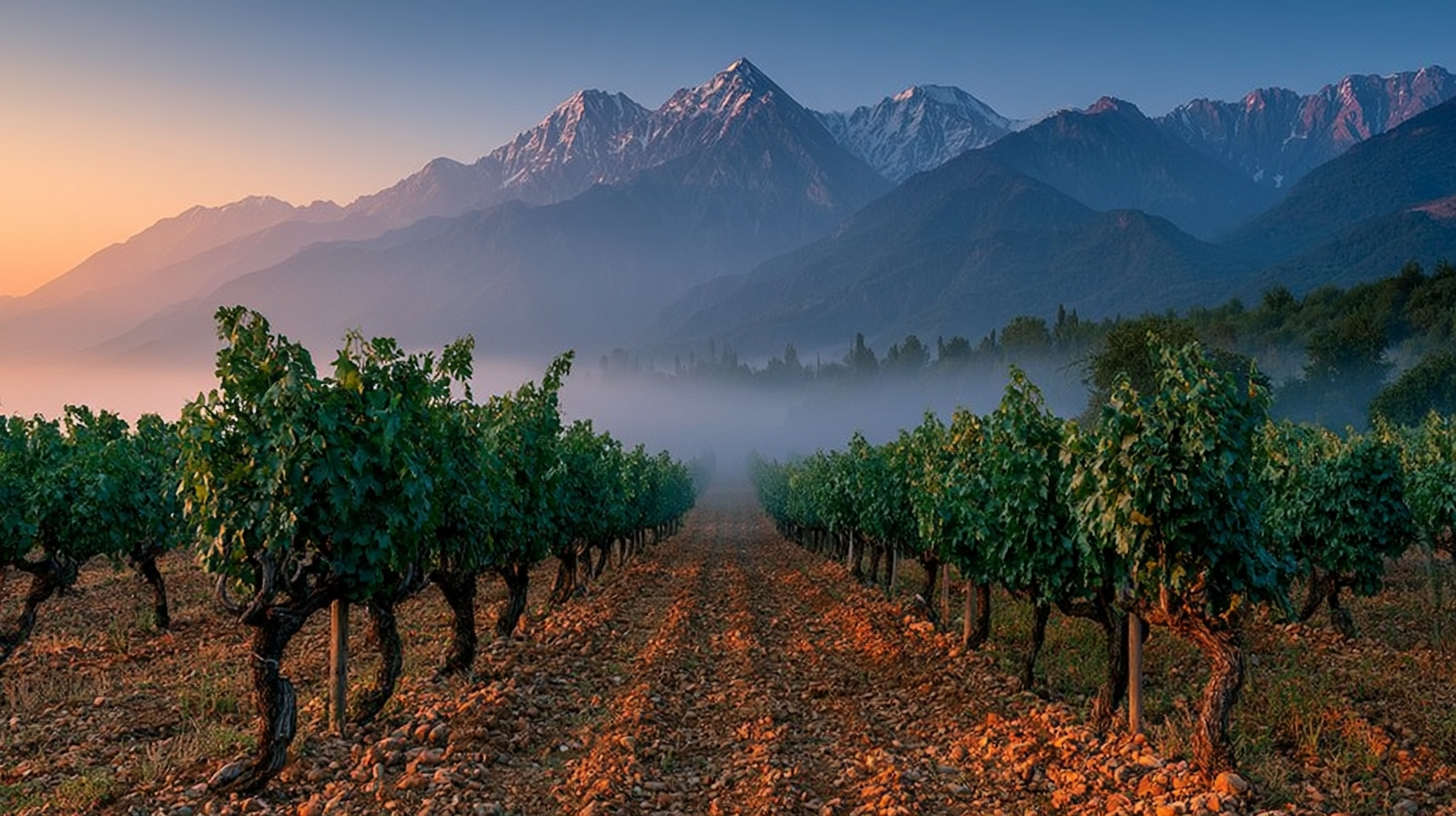
An 8,000-Year-Old Earthen Vessel—Why Georgian Wine and the Qvevri Resonate in Bangkok in 2026
Around 8,000 years ago, in what is now Georgia—a country in the Caucasus region nestled between the Black Sea and the Caspian Sea—someone placed grapes into an unglazed earthenware jar and buried it in the ground. There were no tools to control temperature, no additives to adjust the flavor. Fermentation was left entirely to the soil, the climate, and time. This is regarded as the oldest confirmed trace of winemaking in the world.
Now, those 8,000-year-old traces are being spoken of once again in Bangkok in 2026. Georgian wines labeled “qvevri-fermented” have begun appearing on the menus of the city’s most discerning natural wine bars and restaurants. Why is the oldest confirmed form of winemaking attracting such profound attention now?
The Origin of Wine Was in the Earth
Georgia holds the world’s oldest confirmed evidence of viticulture. At archaeological sites dating back to around 6000 BCE, grape seeds and fragments of pottery bearing traces of fermentation have been unearthed. For this reason, the country is reverently called the “cradle of wine.” Its traditional method, qvevri winemaking, was inscribed on UNESCO’s Intangible Cultural Heritage list in 2013.
A qvevri is an unglazed earthenware vessel coated on the inside with natural beeswax. Its size varies widely, from a few dozen liters to enormous vessels holding several thousand liters, yet all share a common destiny: to be buried completely beneath the soil. Harvested grapes are placed into the vessel together with their skins and seeds, and fermentation begins before the vessel is sealed. Without the intervention of modern additives, the process unfolds naturally. Once fermentation settles, the vessel is covered and sealed, leaving the wine to mature for several months in the stable underground temperature. When the qvevri is opened the following spring, the wine emerges, fully realized.
White Wine, Yet Amber in Color
The defining characteristic of this ancient method is that even white grapes are fermented with their skins. In conventional white wine production, only the pressed juice is fermented. In qvevri winemaking, however, the grapes are fermented with their skins and seeds, just like red wine. As a result, color and tannins seep into the liquid, imparting an amber or deep golden hue despite being crafted from white grapes. This ancient practice marks the lineage of what the modern world celebrates as “orange wine.” A method connected to 8,000-year-old earthenware fermentation is being beautifully rediscovered in the modern age.
This distinct profile is sustained by indigenous grape varieties rooted deeply in the soil. Rkatsiteli for white wine and Saperavi for red wine are among the hundreds of grape varieties that have been nurtured in Georgia for thousands of years and still survive today. Over millennia, the land, the vine, and the vessel have fused into a single, seamless narrative.
“Doing Nothing” as a Form of Mastery
The philosophy of today’s natural wine movement is to bring out the character of the land while intervening as little as possible. In truth, this ethos mirrors the ancestral wisdom that Georgian winemakers have practiced with the qvevri for thousands of years. No acid or sugar is added; fermentation is left entirely to native yeasts; aging takes place in the stable temperature environment beneath the earth. “By doing nothing, the flavor of the land rises to the surface.” For Georgian winemakers, this has never been a trend—it has long been common sense. What presents itself as a modern movement is, in essence, a wisdom honed over eight millennia.
This way of thinking resonates deeply with the world of artisanal Japanese sake. The reason labor-intensive methods such as kimoto and yamahai are gaining recognition among global connoisseurs stems from the same reverence for nature: rather than introducing artificial lactic acid, they draw out the quiet work of time and microorganisms to nurture the pure flavor of rice.
Bangkok’s Search for the Stories of Origin
Today, in Bangkok’s high-end culinary spaces and wine bars, the dialogue around wine has shifted away from mere flavor to embrace its cultural narrative. Discerning guests are asking not just about the brand name or region, but what philosophy shaped it and how it was guided into being. Few bottles leave as lasting an impression as those carrying a heritage waiting to be shared.
For this desire to understand the story behind the glass, Georgian wine offers an eloquent answer. It carries 8,000 years of time, a culture protected by UNESCO, and the evocative imagery of wine maturing as it sleeps beneath the earth—an imagery that effortlessly inspires conversation among discerning enthusiasts. Within the broader context of fermentation culture, this oldest and simplest of stories is beginning to take on a profound new meaning in Bangkok in 2026.
This article is intended solely to explore the winemaking artistry and cultural heritage of Georgian qvevri wine, and does not aim to promote or encourage the consumption of alcohol. / บทความนี้จัดทำขึ้นเพื่อนำเสนอข้อมูลเกี่ยวกับศิลปะการทำไวน์และมรดกทางวัฒนธรรมของไวน์จอร์เจียที่หมักในไหดินเผาควีฟรี (Qvevri) เท่านั้น มิได้มีเจตนาเพื่อส่งเสริมหรือโฆษณาเครื่องดื่มแอลกอฮอล์ สำหรับผู้มีอายุ 20 ปีขึ้นไป โปรดดื่มอย่างรับผิดชอบ
Discover the culture behind every bottle
We share brewery stories, tasting notes and the craft of koji & fermentation — for educational and cultural purposes only.
เราถ่ายทอดเรื่องราวจากผู้ผลิต บันทึกรสชาติ และศาสตร์แห่งโคจิและการหมัก — เพื่อการศึกษาและวัฒนธรรมเท่านั้น
Related Articles
“Natural Wine is Quietly Reshaping Asia’s Culinary Landscape” / “Organic? Biodynamic? Nature? What are the differences?” / “Champagne! Vincent Charlot: A Biodynamic Approach in Champagne” / “Vine and Wine in the Bible”