

How a 148-Year-Old Kuma Shochu Distillery Crafted an Aperitif Through Subtraction
When, at a bar in Bangkok, a vermouth bottle is pointed to with the words, “A martini—with gin and this,” the idea that what’s inside might be not European grapes but rice from Kyushu simply did not exist for a very long time. In 2021, one distillery in Kumamoto introduced a new perspective. It was Tsutsumi Distillery’s sake vermouth, Oka Kura Japanese Bermutto.
A 148-year-old Kuma shochu distillery arrives at “another kind of vermouth” Founded in 1878 in Asagiri, Kuma District, Kumamoto Prefecture, Tsutsumi Distillery is a producer of rice shochu. Kuma shochu is protected under WTO geographical indication status, making it one of the rare categories permitted to bear a place name, like Cognac or Scotch. After generations of working with rice, water, and koji, the distillery created a place in Western aperitif culture in 2021 for a rice-based spirit.
Vermouth is, originally, a fortified wine infused with herbs and botanicals, intended as an aperitif. Historic houses such as Italy’s Martini and France’s Dolin Chambéry have preserved that 19th-century grammar for generations. Tsutsumi’s approach within this traditional framework was deliberate: replace only the base alcohol. Instead of wine, junmai sake. Instead of brandy for fortification, Kuma shochu. What emerges is a vermouth made from rice.
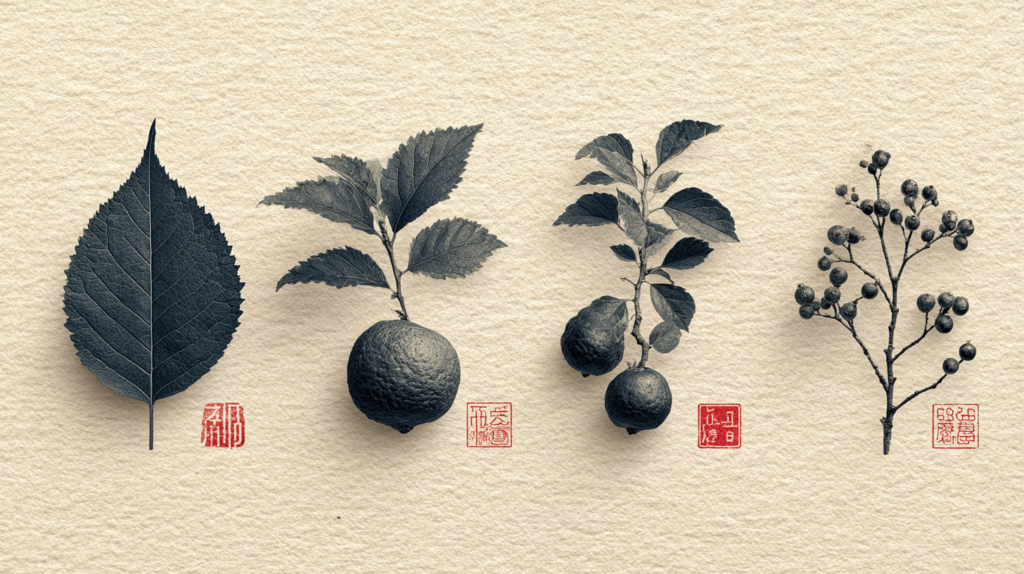
A profile drawn with subtraction: four botanicals Classic vermouths often layer 30 to 50 botanicals. Tsutsumi chose just four: yomogi mugwort, yuzu, kabosu, and sansho pepper.
The distinct character of this vermouth lies in its interpretation of mugwort. European vermouth has long been defined by wormwood—the herb from which the word “vermouth” itself derives. Tsutsumi does not use wormwood. Instead, it turns to Japanese yomogi, a wild-growing mugwort native to Japan’s hills and fields, and familiar on the Japanese table through foods like kusa mochi. The structure of vermouth remains intact, but its core is reconnected to the vocabulary of Japanese food culture.
Yuzu and kabosu are signature citrus fruits of Kyushu, while sansho has long served as one of the vertical flavor accents in Japanese cuisine. Rather than insisting on complexity through dozens of Western herbs, Tsutsumi narrows the composition to four Japanese ingredients and lets the theme speak clearly. Through subtraction, the essence of Japanese terroir comes clearly into focus.
Without disturbing the structure of the martini The design goal of this sake vermouth is not to break the architecture of the classic cocktail. In a martini, vermouth has always existed to sharpen and frame the base gin. The gentle sweetness of rice, the citrus of yuzu and kabosu, and the slight spice of sansho trace a delicate circle around the gin’s profile. In a Negroni, too, it bridges the bitter and the base spirit with the negative space only rice can provide.
Presented as a dry, crisp aperitif, it requires the same delicate care as fine wine once opened. This precise nature reflects a refined posture for rice-based spirits, intended to be savored while its botanical notes remain vibrant.
A place for rice on Bangkok’s aperitif shelf For Bangkok’s fine-dining restaurants and classic cocktail bars, the aperitif shelf has long belonged almost entirely to European vermouth. Now, among them stands a bottle arrived at through the long history of a Kuma shochu distillery in Kumamoto. Within the classical grammar of martinis and Negronis, the vocabulary of the Japanese table appears with unmistakable clarity.
Four botanicals chosen by subtraction, and the structure of rice refined in the land of Kuma. Tsutsumi Distillery’s sake vermouth offers, with measured confidence, another way for Japan’s fermentation culture to greet the Western table—now, on the tables of Bangkok. (Mr.Bacchus)
This article is intended solely to explore the blending craftsmanship and cultural heritage of Tsutsumi Shuzo and the Oka Kura Japanese Bermutto brand, and does not aim to promote or encourage the consumption of alcohol. / บทความนี้จัดทำขึ้นเพื่อนำเสนอข้อมูลเกี่ยวกับศิลปะการผสมผสานและมรดกทางวัฒนธรรมของ Tsutsumi Shuzo และแบรนด์ Oka Kura Japanese Bermutto เท่านั้น มิได้มีเจตนาเพื่อส่งเสริมหรือโฆษณาเครื่องดื่มแอลกอฮอล์ สำหรับผู้มีอายุ 20 ปีขึ้นไป โปรดดื่มอย่างรับผิดชอบ
Discover the culture behind every bottle
We share brewery stories, tasting notes and the craft of koji & fermentation — for educational and cultural purposes only.
เราถ่ายทอดเรื่องราวจากผู้ผลิต บันทึกรสชาติ และศาสตร์แห่งโคจิและการหมัก — เพื่อการศึกษาและวัฒนธรรมเท่านั้น
Follow on Instagram Facebook