Stone possesses a duality.
In Nakijin, Okinawa, beyond the ancient Yanbaru forest, the ruins of a World Heritage castle rise. Up close, the walls are sharp as blades. From afar, they ripple softly along the mountain ridge. This paradox—curves hidden within hardness—runs through the blood of Nakijin Shuzo.
Water filters through the roots of Mount Otoha. Brewers raise koji on traditional triangular racks, using atmospheric distillation to extract a rich, raw spirit. Born rough like the castle stone, it is then entrusted to an oak cask.
Here, Time becomes a sculptor. It shaves the edges, dressing the liquid in deep amber. Notes of vanilla, white peach, and maple layer until one might forget its origins as Awamori. Yet, at the core, the primal umami of rice and the straight spine of 43% alcohol remain unshaken. It has changed, yet it remains true.
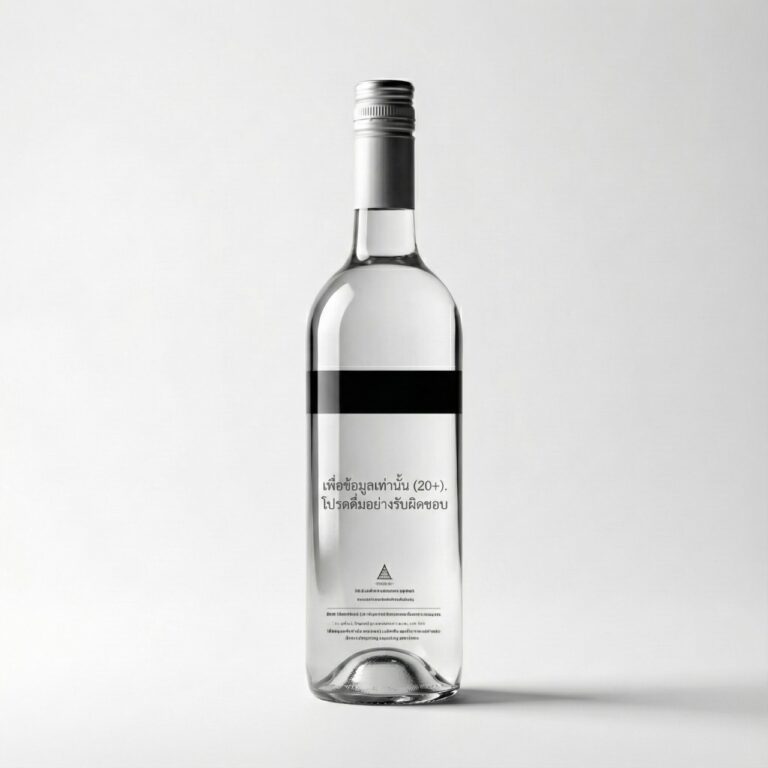
Sennen no Hibiki (Resonance of a Millennium). Upon sipping, a solid structure stands firm, followed by a honeyed smoothness that melts from within. The finish does not vanish; it echoes endlessly, like wind crossing the ramparts.
The name “Thousand Years” is not a promise, but a question. How far this resonance will reach, no one yet knows.