Drink
Beyond the Glass
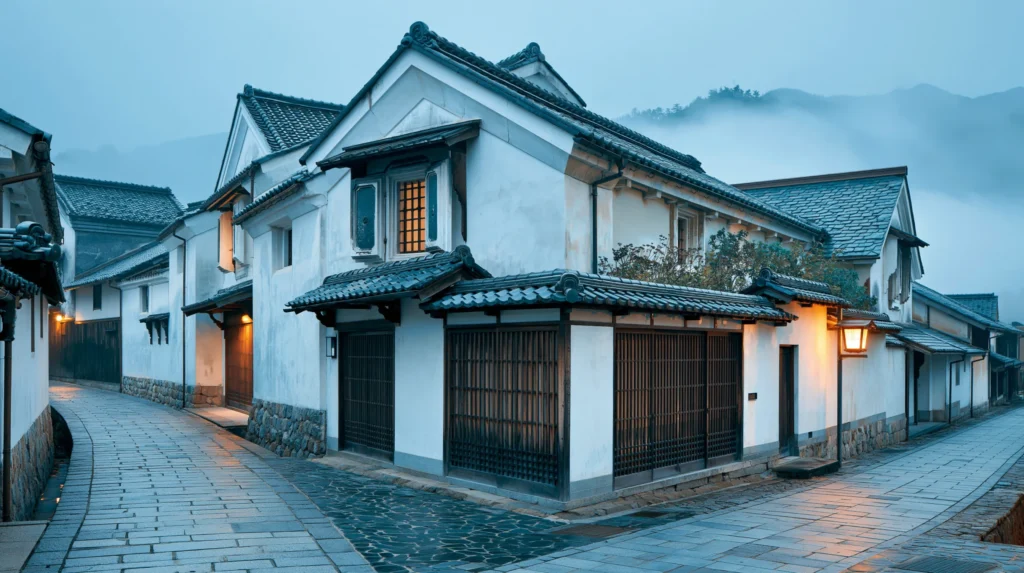
Japan’s Sake Breweries as Destinations of Cultural Heritage
In 2025, the number of international visitors to Japan surpassed 42.7 million, marking a new era of global interest. Tourism spending reached 9.5 trillion yen, as travelers increasingly seek immersive cultural experiences over conventional sightseeing. And among the new destinations quietly gaining presence in this experiential landscape are sake breweries across Japan.
A Cultural Heritage Recognized by UNESCO
In December 2024, UNESCO inscribed Japan’s “traditional knowledge and skills of sake-making with koji mold” on its Intangible Cultural Heritage list. It was a moment in which the cultural value of Japan’s unique brewing technique|parallel multiple fermentation using koji mold|was formally recognized. This designation quickly broadened awareness among international travelers that sake breweries are not merely production facilities, but places that carry forward a cultural heritage of humanity.
Exports of Japanese alcoholic beverages in 2024 rose to 106% of the previous year in both value and volume. More significantly, there is a quiet shift in how sake is appreciated|evolving from merely drinking to visiting its source. A visit to a brewery itself is beginning to be recognized as a profound way to experience Japanese culture.
Opening the Brewery Like a Tea Room: The Noguchi Naohiko Sake Institute
In 2017, the Noguchi Naohiko Sake Institute was established in the mountain village of Kanagaso-machi, Komatsu City, Ishikawa Prefecture, to pass on the techniques of Naohiko Noguchi, the Noto toji often revered as the “god of sake brewing.” From the beginning, it was designed not only as a place for brewing, but also as a space that quietly welcomes visitors.
Its tasting room, Toan, is an austere, serene space inspired by the tea room, a nod to Komatsu’s ties to the Urasenke school of tea. Seating is limited to just 12. Beyond the windows stretch rice fields and mountain ridgelines. The reservation-only tasting plan is offered three times a day, in intimate sessions of up to eight guests lasting 60 minutes each. Comparisons by sake vessel and serving temperature, along with pairings with local delicacies, are carefully composed as a single, continuous experience.
This philosophy illustrates how visiting a brewery transcends a standard factory tour, becoming a contemplative cultural immersion akin to a traditional tea gathering.
From Points to Places: Rediscovering Regional Breweries
The real potential of sake brewery tourism lies not only in famous destinations such as Tokyo and Kyoto, but in the regions. In Miyakonojo, Miyazaki Prefecture, a distinctive gastronomic tourism model harmonizing local livestock farming with brewery visits is being developed through hands-on travel experiences. Kashima City in Saga Prefecture, meanwhile, is a pioneering region centered on its “Sakagura-dori” brewery street, drawing tens of thousands of visitors to its annual brewery-opening events.
These regions demonstrate a shared vision: viewing breweries not as isolated destinations, but as integral threads in the local cultural fabric. By designing experiences that include not only a single brewery visit, but also the surrounding food culture, landscapes, and the lives of local artisans, regions can offer a richer sense of place. Among brewery owners, too, there is a quiet but growing recognition that inviting people to experience the full background from which a sake is born fosters a deeper, enduring appreciation for the craft than simply offering a finished bottle.
From a Place That Makes to a Place That Connects
Amidst a record number of international visitors and recent UNESCO recognition, Japan’s sake breweries are quietly but unmistakably transforming. From places that make, to places where people meet. From places that sell, to places where stories begin.
To stand on the earthen floor of a brewery, breathe the humid air of the koji room, and sense the warmth of a toji’s hands|this is an experience that no tasting note, however eloquent, can replace.
Now that sake is enjoyed around the world, when a glass is served at a sophisticated counter in Bangkok, beyond that glass live many landscapes at once: the stillness of a brewery nestled in the mountains of Kanagaso, the morning air of Kashima’s brewery street, the livestock country stretching across Miyakonojo, and the koji-based brewing culture recognized by UNESCO|each breathing with the time and weight of its own place. (Mr. Bacchus)
This article is intended solely to explore the brewing philosophy and cultural heritage of Japanese sake breweries and the rise of sake tourism, and does not aim to promote or encourage the consumption of alcohol. / บทความนี้จัดทำขึ้นเพื่อนำเสนอข้อมูลเกี่ยวกับปรัชญาการผลิตและมรดกทางวัฒนธรรมของโรงสาเกญี่ปุ่นและการท่องเที่ยวเชิงโรงสาเกเท่านั้น มิได้มีเจตนาเพื่อส่งเสริมหรือโฆษณาเครื่องดื่มแอลกอฮอล์ สำหรับผู้มีอายุ 20 ปีขึ้นไป โปรดดื่มอย่างรับผิดชอบ
Discover the culture behind every bottle
We share brewery stories, tasting notes and the craft of koji & fermentation | for educational and cultural purposes only.
เราถ่ายทอดเรื่องราวจากผู้ผลิต บันทึกรสชาติ และศาสตร์แห่งโคจิและการหมัก | เพื่อการศึกษาและวัฒนธรรมเท่านั้น
Follow on Instagram Facebook