

Two Contrasting Expressions Born from a Single Orchard
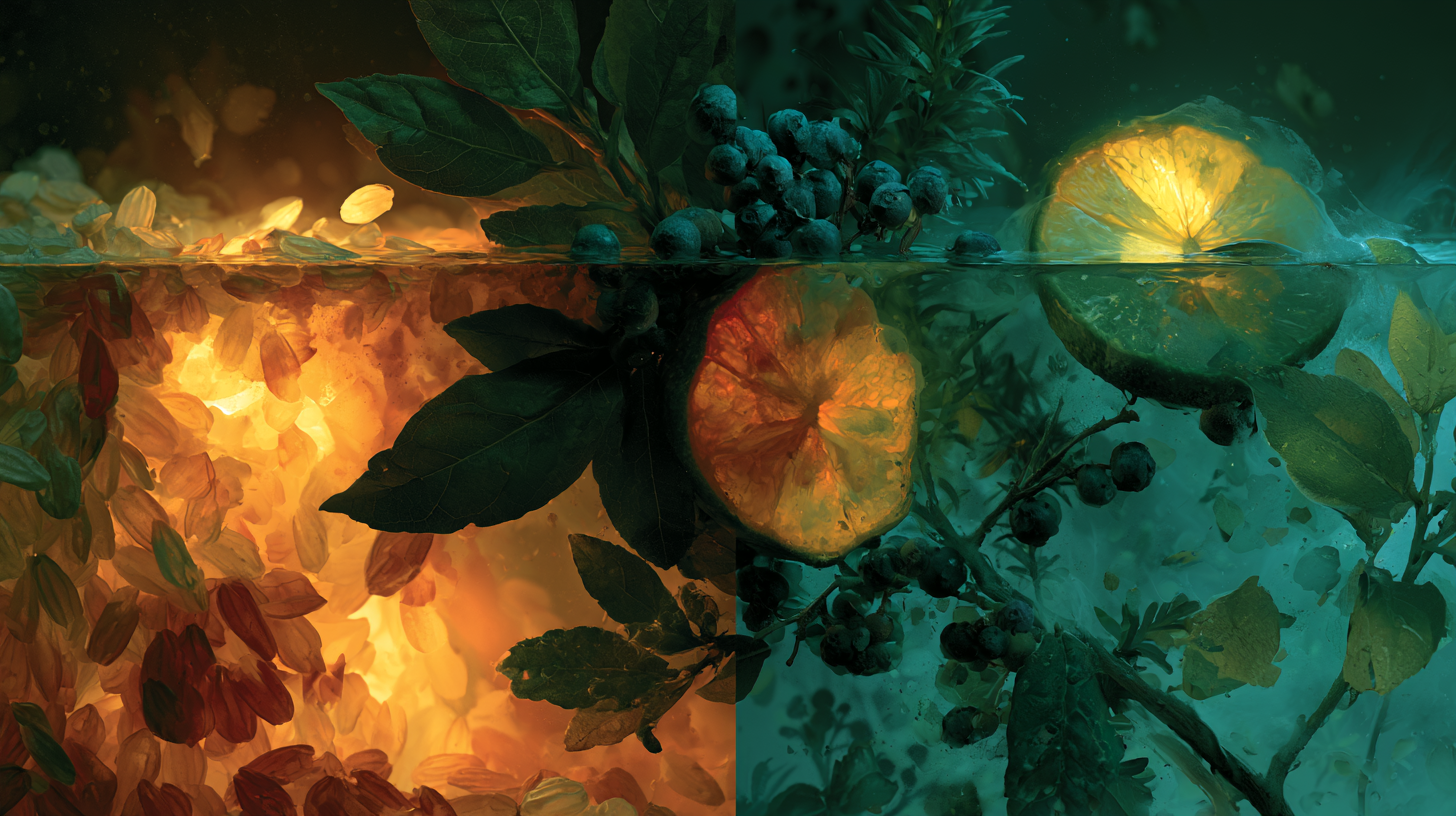
The Duality of Minabe: Two Contrasting Expressions Born from a Single Orchard
In Minabe, Wakayama Prefecture, the landscape is shaped by the centuries-old “Minabe-Tanabe Ume System”—a lineage of agricultural craftsmanship recognized globally as a living heritage. This is the terroir of the Nanko plum, where nature and tradition converge.
Here, at a single family-owned orchard, Nanko plums are hand-picked only when perfectly tree-ripened. From this identical harvest, two distinct liquid poems emerge: Fuu and Yii. Crafted by Ryo Takada under the Minabe Craft Umeshu label, these two bottles share a singular origin yet diverge into entirely unique philosophical expressions.
Two Philosophies from One Orchard
The foundation of both expressions lies in absolute traceability, mirroring the farm-to-table philosophy valued by contemporary gourmands. Since Minabe’s designation as Japan’s first “Umeshu Special Zone” in 2008, small-scale producers have been empowered to honor their individual visions. For Takada, this freedom manifested in a profound experimentation of base spirits.
The paths divide at the crucible of maceration: the choice of the base spirit.
Fuu: Choosing Mirin
For Fuu, the choice bypasses traditional sake or shochu in favor of hon-mirin—specifically Me, an artisanal creation from Kanda Toshimaya, Tokyo’s oldest sake merchant dating back to 1596. Crafted from domestic glutinous rice, koji, and authentic Kuma shochu, this unfiltered, drinking-grade mirin cradles the fully ripened Nanko plums for a precise six-month maceration.
The result is a rare purism: Fuu contains no added sugar. Unlike commercial versions reliant on rock sugar, its sweetness is born entirely from the slow fermentation of rice and koji. At 8% ABV, it offers a lighter, more nuanced presence than conventional plum liqueurs. On the palate, a silky, grain-derived sweetness balances the plums’ natural acidity—a profile that has already garnered quiet acclaim among Michelin-starred palates as an elegant aperitif or dessert companion.
Yii: Choosing Craft Gin
In stark contrast, Yii embraces the complexity of craft gin. Its canvas is Sakaki Gin, distilled with fifteen botanicals native to Wakayama, including Yoshino cedar, yuzu, and the subtle warmth of sansho pepper. By steeping regional plums in a spirit born of the same soil, Yii achieves a beautiful “double terroir.” This innovative marriage stands as a pioneering milestone in the evolution of gin-based expressions.
At 26% ABV, Yii possesses a commanding yet disciplined character. Beet sugar is introduced sparingly—at a mere fraction of standard recipes—allowing the structural elements to shine. The resinous notes of juniper, the botanical clarity of citrus, and the fleeting spark of sansho weave through the plum’s tartness, culminating in a remarkably dry, layered finish. It is a sophistication recognized by the curators at Shangri-La Tokyo, where it holds a permanent place on their menus.
A Study in Contrast
Where Fuu whispers with the gentle, traditional sweetness of Edo-era hon-mirin and a delicate 8% ABV, Yii speaks with the bold, dry complexity of Western-born gin at 26% ABV. One relies entirely on the natural alchemy of koji; the other utilizes a minimalist touch of beet sugar to frame a botanically rich tapestry. They are not meant to compete, but to illuminate how a single harvest can whisper or sing depending on the medium that holds it.
At the Dining Tables of Bangkok
In Bangkok’s evolving culinary landscape—from the refined counter seats of Thonglor’s modern omakase dens to the sophisticated mixology bars of Sathorn—these expressions offer a new vocabulary for pairing. Fuu brings an understated grace to the start or conclusion of a meal, while Yii provides a robust, botanical spine for imaginative cocktails.
Under a single brand, these two liquids dismantle the monolithic definition of what plum liqueur “should” be. They offer no loud proclamations, only a quiet reassurance that even a centuries-old tradition remains entirely open to the future. (Mr. Bacchus)
This article is intended solely to explore the blending craftsmanship and cultural heritage of MINABE CRAFT UMESHU and its products Fuu and Yii, and does not aim to promote or encourage the consumption of alcohol. / บทความนี้จัดทำขึ้นเพื่อนำเสนอข้อมูลเกี่ยวกับศิลปะการผสมผสานและมรดกทางวัฒนธรรมของ MINABE CRAFT UMESHU และผลิตภัณฑ์ Fuu และ Yii เท่านั้น มิได้มีเจตนาเพื่อส่งเสริมหรือโฆษณาเครื่องดื่มแอลกอฮอล์ สำหรับผู้มีอายุ 20 ปีขึ้นไป โปรดดื่มอย่างรับผิดชอบ
Discover the culture behind every bottle
We share brewery stories, tasting notes and the craft of koji & fermentation — for educational and cultural purposes only.
เราถ่ายทอดเรื่องราวจากผู้ผลิต บันทึกรสชาติ และศาสตร์แห่งโคจิและการหมัก — เพื่อการศึกษาและวัฒนธรรมเท่านั้น
Follow on Instagram FacebookRelated Articles
“The “Third Act” of Umeshu” / “Hiraku” / “A Pale Pink Umeshu Chosen by French Judges” / “Serving Umeshu from a Glass Amphora” / “Born from Medicine, Unbound by Definition”