

KID Muryozan Junmai Ginjo Secures Its Fifth Consecutive Gold at Kura Master 2026
At the 2026 edition of Kura Master, the annual Japanese sake competition held in France, KID Muryozan Junmai Ginjo (Heiwa Shuzo / Wakayama Prefecture) was awarded a Gold Medal in the Junmai Daiginjo (36–50% polishing ratio) category.
Perhaps most remarkable is its consistency. The label has received a Kura Master Gold Medal every single time it has been entered — in 2018, 2020, 2022, 2024, and now 2026. In other words, five separate blind tastings conducted by juries composed of French sommeliers, Michelin-starred chefs, and food and beverage professionals from five-star hotels have all arrived at the exact same conclusion regarding a single sake.
Rising Above 1,401 Entries: The 2020 IWC Milestone
The international recognition surrounding KID Muryozan did not begin with Kura Master alone.
A pivotal moment occurred in 2020, when it won the prestigious “Champion Sake” title at the International Wine Challenge (IWC) SAKE competition, rising above 1,401 entries from around the world. In the same year, it also captured the Trophy in the Junmai Ginjo category. Meanwhile, Heiwa Shuzo itself was named “Sake Brewery of the Year” in both 2019 and 2020.
For a brewery to be recognized simultaneously as both the producer of the world’s top sake and the world’s top brewery is an exceptionally rare achievement in the history of the IWC SAKE competition.
The Philosophy Behind the “Junmai Ginjo” Designation
KID Muryozan Junmai Ginjo has a rice polishing ratio of 50% — technically qualifying it to be labeled “Junmai Daiginjo” under strict Japanese regulations. Yet, Heiwa Shuzo intentionally releases it as a “Junmai Ginjo,” a decision that deeply reflects the brewery’s philosophy.
While Daiginjo styles often pursue extreme delicacy and refinement, Ginjo styles tend to preserve a greater breadth and depth of flavor. The Muryozan series, Heiwa Shuzo’s flagship, seeks to harmonize these distinct profiles, guided by the brewery’s ambitious vision of crafting Japan’s finest sake.
The rice used is Yamadanishiki, meticulously sourced from Hyogo Prefecture’s prestigious Special A district. Brewing water is drawn from the soft underground springs fed by Mount Koya, a UNESCO World Heritage site. This exceptionally soft water gently slows the fermentation process, yielding a texture that is frequently described as silk-like.
Heritage Rooted in Temple Grounds
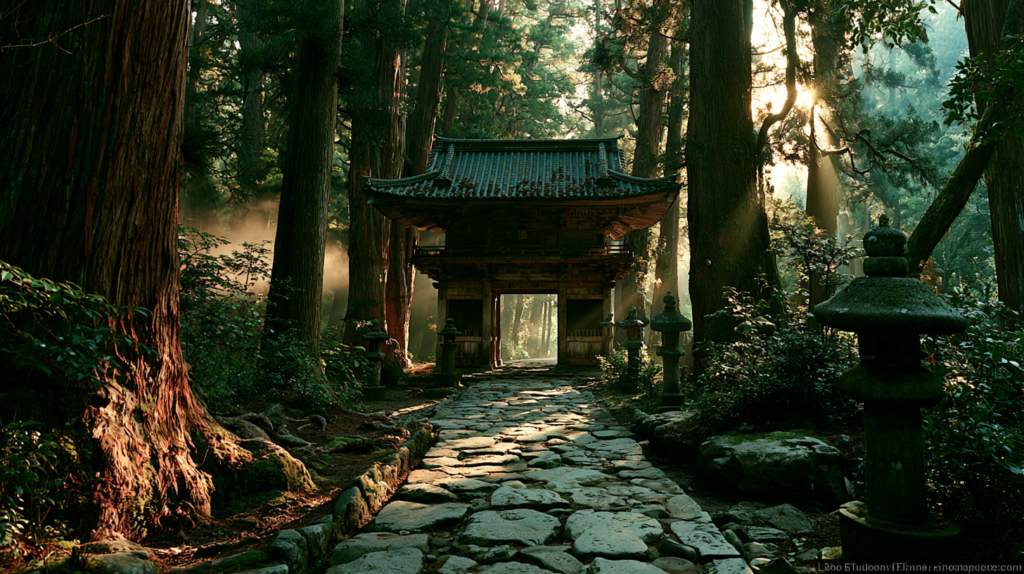
Heiwa Shuzo was founded in 1928 in Kainan City, Wakayama Prefecture. However, its true origins trace back to the Buddhist temple Muryozan Choganji, which dates to the Edo period. The brewery’s flagship “Muryozan” series takes its name directly from the temple’s sacred mountain title.
The company name “Heiwa” — meaning “peace” — was inherited from the fourth-generation president, Norimasa Yamamoto, after World War II, expressing a profound gratitude for the privilege of brewing sake in an era of peace.
The brand name “KID” simultaneously references the climate and culture of Kishu (the historical name for Wakayama) while evoking the English word “kid,” suggesting youth and the emergence of the next generation. Embedded within this name is a quiet ambition to define a new standard for the future of sake.
The Broader Significance of Consistent Acclaim
For one brewery and one label to receive the exact same level of recognition five consecutive times in France is no mere coincidence. Rather, it serves as a testament to a design philosophy and a level of craftsmanship that consistently resonate with independent, rigorous palates.
The pure waters of Mount Koya. Special A Yamadanishiki rice. A history rooted in ancient temple grounds. And the deliberate choice to present the sake as “Junmai Ginjo” rather than “Daiginjo.” At the intersection of these profound elements, KID Muryozan Junmai Ginjo carries a quiet yet unmistakable presence.
Even within Bangkok’s rapidly evolving gastronomy scene, there is a growing maturity in how such carefully constructed sake is being understood and appreciated. Five consecutive Gold Medals may ultimately stand as a defining reference point in that broader cultural movement. (Mr. Bacchus)
This article is intended solely to explore the brewing philosophy and cultural heritage of Heiwa Shuzo and the KID Muryozan Junmai Ginjo brand, as reflected in the Kura Master 2026 and IWC 2020 award records, and is not intended to promote or encourage the consumption of alcohol. / บทความนี้จัดทำขึ้นเพื่อนำเสนอข้อมูลเกี่ยวกับปรัชญาการผลิตและมรดกทางวัฒนธรรมของ Heiwa Shuzo และแบรนด์ KID Muryozan Junmai Ginjo ที่สะท้อนในผลรางวัล Kura Master 2026 และ IWC 2020 เท่านั้น มิได้มีเจตนาเพื่อส่งเสริมหรือโฆษณาเครื่องดื่มแอลกอฮอล์ สำหรับผู้มีอายุ 20 ปีขึ้นไป โปรดดื่มอย่างรับผิดชอบ