When this cask is empty, this taste vanishes from the earth.
In Asagiri, Kumamoto, thick fog fills the basin where the Kuma River flows. Deep within Tsutsumi Shuzo, numbered casks dream in silent rows. For five centuries, this land has turned rice into spirit.
The raw distillate, born rough from atmospheric distillation, is entrusted to a deep bed: a Spanish sherry butt. For ten years—sometimes eleven—the wood whispers to the liquid. Time layers color day by day. What was once clear wears an amber so dark it approaches black—like the moment before an eclipse, when only the sun’s edge burns.
Gokujo Tsutsumi. Born from a single cask. No blending. No dilution. No filtration. The law declared this color too dark to be called Shochu. The distillery surrendered the name to protect the hue, knowing that erasing a decade of history would be the greater loss.
Pour it. Layers of vanilla, ripe apricot, and raisin rise, followed by the faint shadow of roasted nuts. On the palate, the elegant sweetness of rice blooms, outlined by the cask’s quiet tannins. A silky weight passes, leaving a finish that seems to forget how to fade.
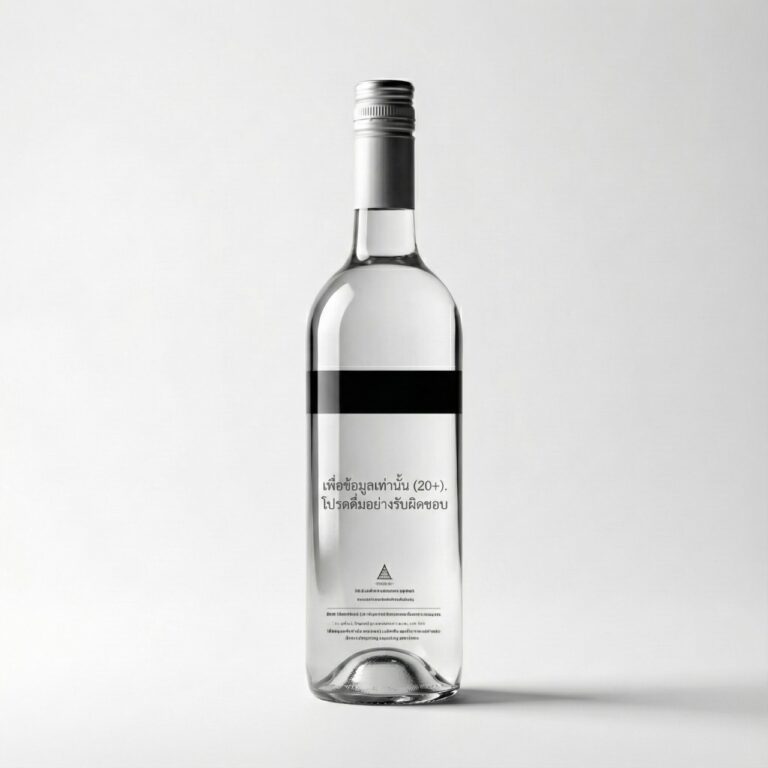
The bottle bears a number: Cask #231. It is a family record. When this vessel empties, this specific taste is lost forever. There is no reproduction. Only a meeting that never repeats.
Like the morning fog of Kuma, which takes a different shape each day before vanishing in the sun, this glass exists only in this moment.
So, drink slowly.