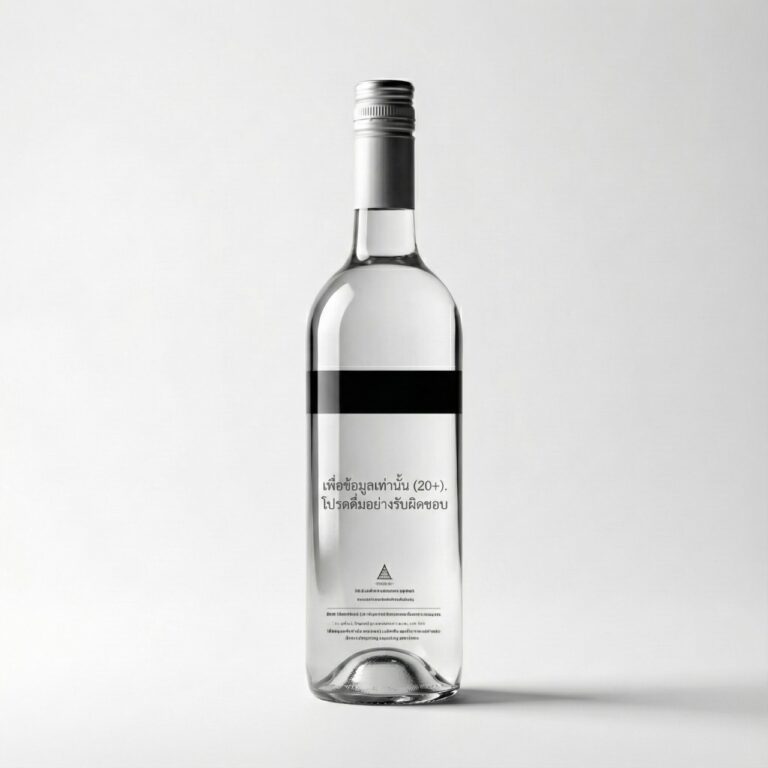
Without knowing the water, one cannot speak the name.
In Satsuma Town, Kagoshima, at the foot of Mount Shibisan, a bamboo grove sighs like an inland sea. Jikuya Shuzo stands amidst this sound, rooted for over 110 years.
Shibi no Tsuyu (Dew of Shibi). The name honors the drops falling from the sacred peak. Drawn from a dark corridor 146 meters underground, the water is so clear it seems to have left all impurity on the rock walls. This water decides the spirit’s bone and blood.
The founder, Gonsuke, forged a spirit like iron armor—unyielding even when diluted with hot water. That core remains. But the fourth-generation master—the region’s first female Toji—returned from life overseas with new seasons etched into her skin. She did not discard the armor; she recast the iron into glass. The strength remains, but now, light passes through.
The secret lies in the Koji. Instead of coating the rice evenly, the mold is cultivated in spots—like a constellation, or the beans in a mame-daifuku sweet. This technique, Tsuki-haze, plucks away off-flavors while hiding a bakery-like sweetness inside the potato. Wildness and tenderness hold hands within a single grain.
Pour in hot water. Steam rises. The fullness of sweet potato warms the core like a campfire, followed by the wash of Mount Shibisan’s water, clear as morning dew.
Bamboo survives because it bends. It yields to the storm, then returns. This distillery lives the same truth: the strength of a century-old trunk, and the flexibility to read the wind.
Shibi no Tsuyu. A drop from the deep mountains carries a quiet light. Long after the last sip, that dew remains within, refusing to fade.