Drink
The Umami Evolution
Fermented Seasonings and the “Fifth Taste” at the Bar
From Sweetness to Depth
In 2026, a quiet transformation is unfolding across bar counters around the world. Before bartenders even reach for the shaker, they are dissolving miso, measuring shio koji, and adding drops of soy sauce. Such scenes have become a natural part of the modern craft. This shift reflects a deepening connection between the culinary arts and mixology. The fermentation practices that have long guided fine dining kitchens are finally finding their way into the glass, bringing a new dimension of flavor to the forefront.
Koji and the Essence of the “Fifth Taste”
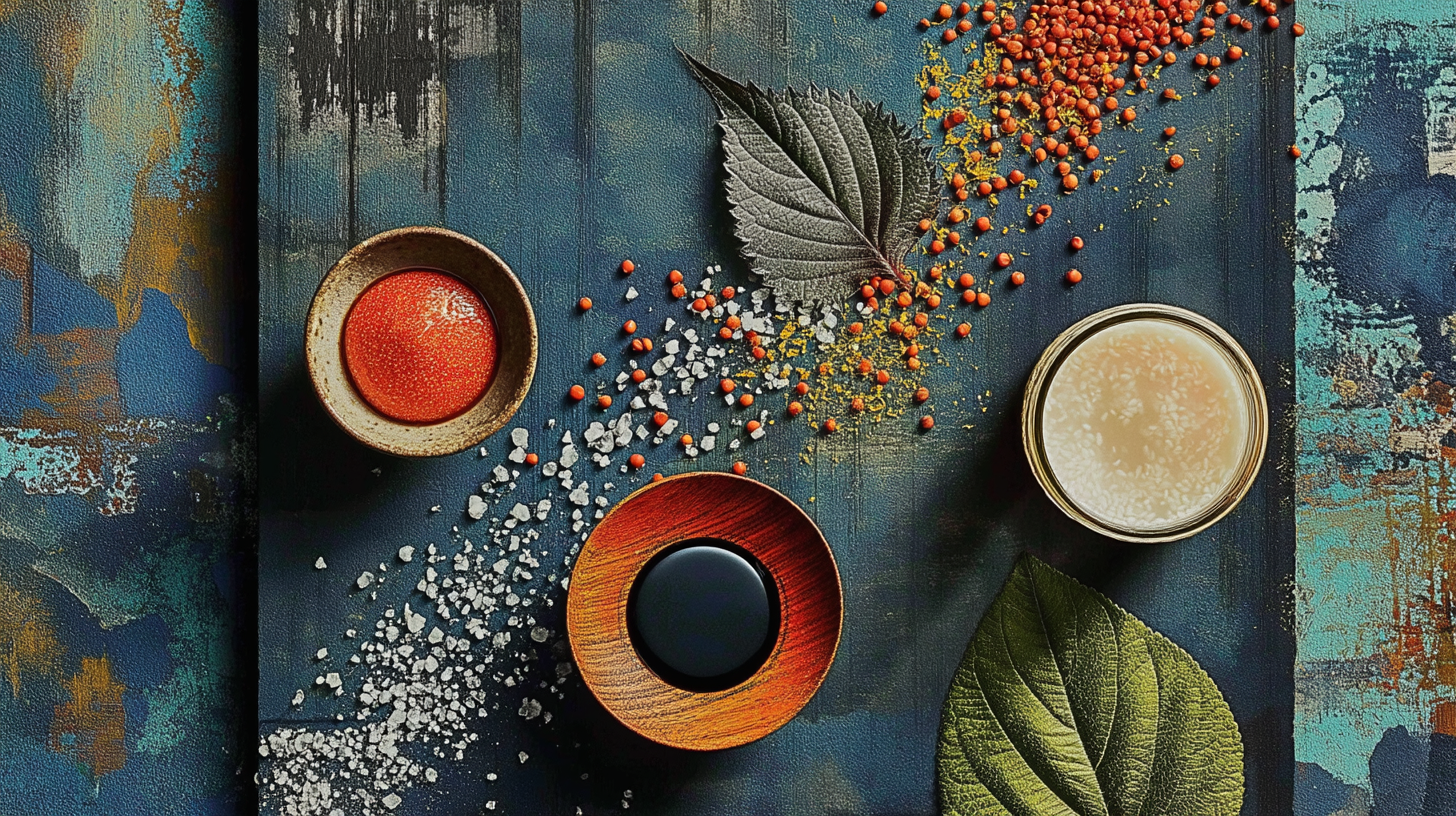
At the center of this movement are Japan’s traditional fermented seasonings: miso, shio koji, soy sauce, and amazake. All are products of the intricate work of koji mold, Aspergillus oryzae. As koji breaks starch down into sugar and transforms proteins into amino acids, it produces glutamate—the very essence of umami. At pioneering establishments, these fermented elements are beginning to shape the structural foundation of cocktails. Whether it is a drink built around shio koji and tomato water, a creation based on soy sauce and barley miso, or a recipe combining coconut miso with plum cream, the fermented ingredient serves not merely as an accent, but as a core pillar of the flavor profile. As one bartender observed, fermented elements should support a cocktail, not dominate it. This restrained aesthetic closely echoes the role of dashi in Japanese cuisine, where profound depth is achieved through delicate balance.
Bangkok’s Natural Resonance with Umami
Bangkok offers a natural landscape for this approach. Thai cuisine itself is deeply rooted in the savory depth of fermented seasonings, such as fish sauce (nam pla) and shrimp paste (gapi). At the city’s more innovative bars, techniques involving miso caramel, umami shrubs, and the clarification of spirits using fermented ingredients are becoming increasingly present. These developments suggest a unique intersection: Thailand’s own fermentation heritage meeting Japan’s koji culture through the medium of the cocktail. From a chemical perspective, the umami found in fish sauce and the umami in miso share a common origin in glutamate. This shared culinary language serves as a catalyst, unlocking new creative possibilities within Bangkok’s bar scene.
A New Standard for Spirits
The incorporation of umami into cocktails is naturally expanding the criteria by which spirits are appreciated. While the value of a distilled spirit has traditionally been evaluated through aroma and finish, new considerations are emerging: how a drink expands across the palate, and how seamlessly it harmonizes with food. It is fitting that shochu is being reevaluated in this context. Produced with koji, shochu develops amino acids during its creation, carrying an inherent savory depth. Across dedicated venues in the city, mixologists are developing cocktails specifically to highlight the umami potential of shochu and sake. It is a thoughtful effort to extend a thousand-year-old fermentation culture directly into the drinking experience. Japan’s understanding of koji, having reshaped fine dining, is now quietly redefining the bar experience—inviting guests to explore the depths of the fifth taste. (Mr. Bacchus)
This article is intended solely to explore evolving global cocktail culture and the role of fermentation in mixology, and does not aim to promote or encourage the consumption of alcohol. / บทความนี้จัดทำขึ้นเพื่อนำเสนอข้อมูลเกี่ยวกับวัฒนธรรมค็อกเทลระดับโลกและบทบาทของการหมักในมิกโซโลจีเท่านั้น มิได้มีเจตนาเพื่อส่งเสริมหรือโฆษณาเครื่องดื่มแอลกอฮอล์ สำหรับผู้มีอายุ 20 ปีขึ้นไป โปรดดื่มอย่างรับผิดชอบ
Discover the culture behind every bottle
We share brewery stories, tasting notes and the craft of koji & fermentation — for educational and cultural purposes only.
เราถ่ายทอดเรื่องราวจากผู้ผลิต บันทึกรสชาติ และศาสตร์แห่งโคจิและการหมัก — เพื่อการศึกษาและวัฒนธรรมเท่านั้น
Follow on Instagram FacebookRelated Articles
“The Silent Synergy of Fermentation” / “The Molecular Harmony of Sake and Foie Gras” / “Beyond the Sushi Counter”