Drink
Terroir in a Bottle
The Distinctly Japanese Botanicals Shaping Modern Distilling
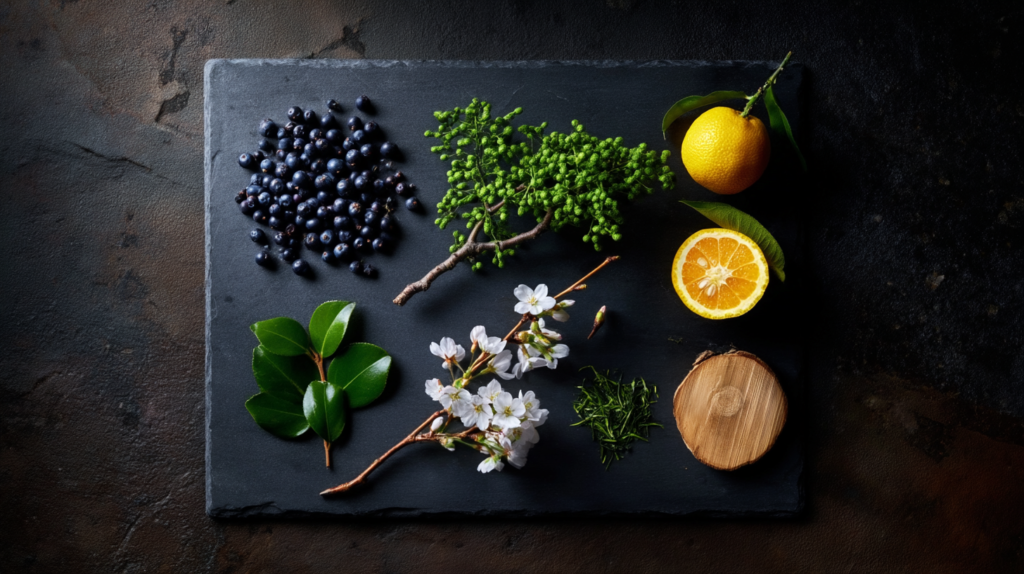
Japanese craft gin is charting a course that is both quiet and remarkable. According to data from the Japan Spirits & Liqueurs Makers Association, shipments of domestic gin reached approximately 5.53 million liters in 2024—a nuanced reflection of growth that stands at nearly five times the volume of a decade ago. Behind these figures lies a narrative of differentiation rooted deeply in the Japanese landscape, defined by the thoughtful integration of native ingredients like yuzu and sansho pepper.
A Quiet Resonance: The Evolution of Japanese Gin
This movement is far from a passing trend. Until the 2010s, domestic gin shipments maintained a modest baseline of around 1.2 million liters annually. The period between 2020 and 2022, however, marked a significant awakening, initiating a steady trajectory of double-digit growth that continues to shape the industry. Responding to this shift, established houses and independent artisans alike have dedicated new facilities to the art of distillation.
Part of gin’s contemporary appeal lies in the fluidity of its creation. Unlike spirits that demand decades of maturation in wood, gin allows for a more immediate expression of time and place. This agility grants distillers the freedom to capture the fleeting essence of a particular season or the distinct character of a specific prefecture, offering a liquid canvas that evolves in real time.
The Native Palette: Ingredients Formed by Landscape
At the heart of any gin is its botanical profile. While the sharp, resinous note of juniper provides the essential architecture, the character of the spirit is defined by the layers woven above it.
Japanese distillers possess an enviable, hyper-local palette: the bright complexity of yuzu, the electric warmth of sansho pepper, the ephemeral soft notes of cherry blossom, alongside green tea, hinoki cypress, and shiso. More recently, pioneering distilleries have begun incorporating elements like urushi lacquer, camellia, and the rich lees reserved from sake brewing. These ingredients, bound entirely to the soil from which they are harvested, yield spirits that cannot be replicated elsewhere. The proliferation of regionally focused gins across Japan is a testament to the sheer depth of this botanical heritage.
Shochu and the Heritage of Koji
In parallel, honkaku shochu—another cornerstone of Japan’s distilling tradition—is tracing its own meaningful path. While domestic consumption patterns have evolved, its cultural and artisanal weight has earned it a designated place of honor on the global stage, alongside sake and whisky.
The soul of shochu resides in koji. This traditional fungus, cultivated with meticulous care on rice, barley, or sweet potatoes, serves as the catalyst for fermentation and the architect of the spirit’s profound umami, aroma, and texture. It introduces a depth entirely distinct from Western spirits. In December 2024, Japan’s ancient mastership of koji-based alcohol production was officially inscribed on UNESCO’s Intangible Cultural Heritage list. As the world awakens to this cultural legacy, shochu is finding a sophisticated new vocabulary within the international cocktail community.
A Shared Identity: Rooted in Earth and Culture
Though craft gin and traditional shochu employ different methodologies, they are bound by a singular philosophy: an unwavering sense of place.
In today’s global epicurean landscape, discerning enthusiasts are moving away from the predictable uniformity of mass production. Instead, they seek out spirits that carry the stories, nuances, and soul of their origins. Whether through the seasonal botanicals of a modern gin or the ancient alchemy of koji in shochu, these spirits offer a window into Japan’s cultural terroir. As these distilleries continue to receive international acclaim, this narrative offers a subtle yet profound inspiration for Bangkok’s own evolving culinary and beverage landscape. (Mr. Bacchus)
This article is intended solely to explore the distillation craft and cultural context of Japanese craft gin and shochu, and does not aim to promote or encourage the consumption of alcohol. / บทความนี้จัดทำขึ้นเพื่อนำเสนอข้อมูลเกี่ยวกับเทคนิคการกลั่นและบริบททางวัฒนธรรมของจินคราฟต์และโชจูของญี่ปุ่นเท่านั้น มิได้มีเจตนาเพื่อส่งเสริมหรือโฆษณาเครื่องดื่มแอลกอฮอล์ สำหรับผู้มีอายุ 20 ปีขึ้นไป โปรดดื่มอย่างรับผิดชอบ
Discover the culture behind every bottle
We share brewery stories, tasting notes and the craft of koji & fermentation — for educational and cultural purposes only.
เราถ่ายทอดเรื่องราวจากผู้ผลิต บันทึกรสชาติ และศาสตร์แห่งโคจิและการหมัก — เพื่อการศึกษาและวัฒนธรรมเท่านั้น
Follow on Instagram FacebookRelated Articles
“The Logic of the Seto Inland Sea” / “Why Japanese Gin Alone Is Staying Afloat While the Global Gin Market Sinks” / “Steeping 136 Kilograms of Strawberries—and Finishing Crystal Clear” / “Beyond Whisky”