

The Global Journey of Japanese Sake to 81 Countries
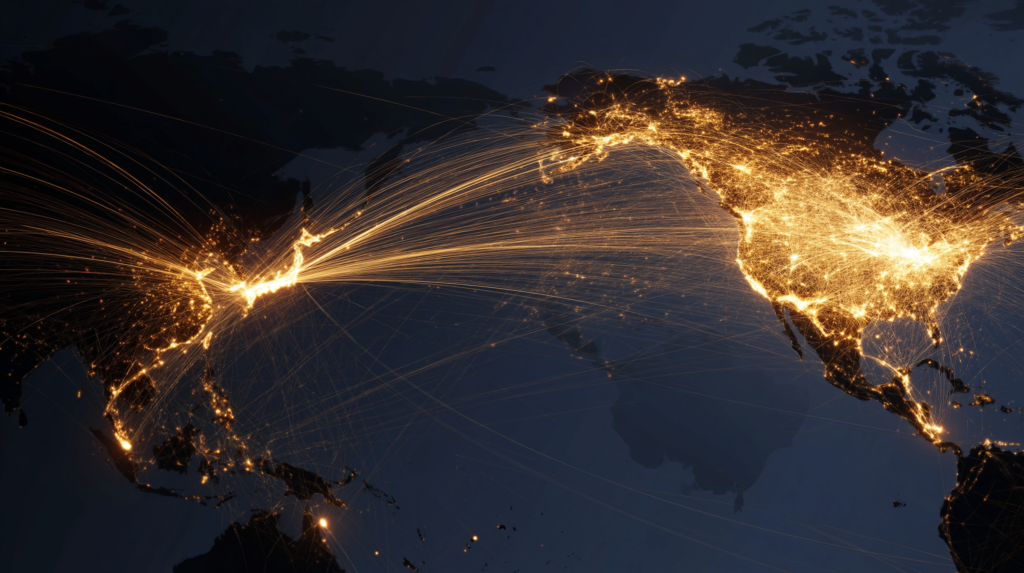
A Quiet Global Expansion Recent figures from the Japan Sake and Shochu Makers Association reveal that in 2025, Japanese sake found its way to 81 countries and regions. With an export value nearing ¥45.9 billion—nearly doubling over the past five years—the global resonance of this traditional craft continues to deepen. Yet, the official count of 81 countries only tells part of the story, as it solely reflects formal customs data. The true footprint of sake extends much further. For instance, Katokichibee Shoten, a venerable brewery in Sabae City, Fukui Prefecture, shares its celebrated “Born” label with 108 countries. Through diplomatic channels and quiet intermediary trade, sake is bridging cultures far beyond what official statistics capture.
The Shifting Center of Gravity: A Deepening Bond with Asia Currently, Asia embraces the majority of these exports, accounting for 63% of the global share. South Korea has seen particularly notable growth, with a 17% year-on-year increase. In Seoul, establishments dedicated to sake are flourishing, nurturing a culture where younger generations appreciate the craft with genuine curiosity. As the United States market experiences a slight recalibration, it becomes evident that the cultural center of gravity for sake appreciation is steadily shifting toward Asia.
Elevating Value: The Philosophy Behind the Pour A closer look at the 2025 landscape reveals a phase of broad expansion, where increased accessibility introduces new enthusiasts to sake. However, the future of the craft relies not merely on increasing volume, but on conveying the profound value within each bottle. For the industry to reach its future aspirations, enhancing the intrinsic worth of the sake experience is essential. Efforts to share the deep-rooted stories of sake—the purity of the local water, the nuances of the regional climate, and the brewer’s unwavering dedication—are increasingly vital. In South Korea, this is reflected in the rising number of individuals pursuing the “SAKE DIPLOMA.” Through the guidance of knowledgeable professionals who can articulate the brewers’ philosophies, a robust knowledge infrastructure is forming, naturally nurturing a deeper appreciation.
Bangkok: A Cultural Crossroads Within Bangkok’s sophisticated dining scene, interest in sake is quietly, yet steadily, blossoming. While the meticulous arts of temperature control and thoughtful pairing are still evolving locally, the city holds a unique position not found elsewhere in Asia. As a cosmopolitan hub welcoming millions of international travelers—many from key markets like South Korea, Greater China, and Singapore—Bangkok serves as a vibrant point of cultural intersection. A memorable encounter with a specific sake here often inspires travelers to seek out the same label upon returning home. In fact, numerous fine dining venues in Bangkok observe international guests requesting particular artisanal brands by name. The presence of Japanese sake in 81 countries represents countless delicate threads connecting distant shores. Whether these connections deepen into lasting appreciation depends entirely on the quality of the encounter at the destination. Bangkok stands at an intriguing crossroads—poised to weave these threads into a rich, enduring tapestry of cultural understanding. (Mr. Bacchus)
This article is intended solely to explore the global export trends and cultural significance of Japanese sake, and does not aim to promote or encourage the consumption of alcohol. / บทความนี้จัดทำขึ้นเพื่อนำเสนอข้อมูลเกี่ยวกับแนวโน้มการส่งออกและความสำคัญทางวัฒนธรรมของสาเกญี่ปุ่นเท่านั้น มิได้มีเจตนาเพื่อส่งเสริมหรือโฆษณาเครื่องดื่มแอลกอฮอล์ สำหรับผู้มีอายุ 20 ปีขึ้นไป โปรดดื่มอย่างรับผิดชอบ