

A Snapshot of Tokyo and Bangkok
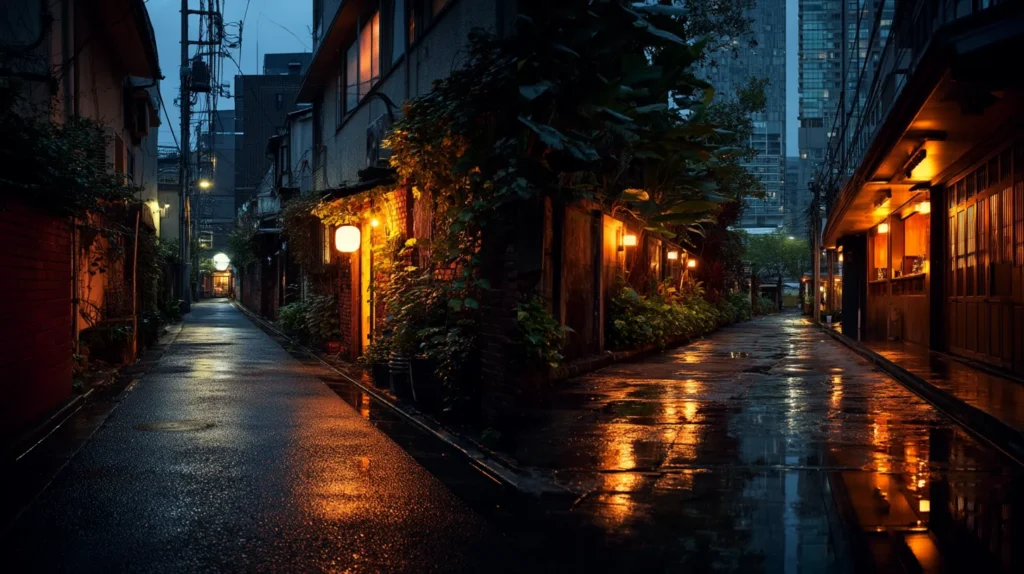
A Global Gathering in Tokyo On May 10 and 11, 2026, RAW WINE Tokyo returns to the Tokyo Ryutsu Center. Founded by Isabelle Legeron, the first French woman to earn the prestigious title of Master of Wine, RAW WINE stands as the world’s premier natural wine fair. Touring cities such as New York, London, Berlin, and Montreal, it has firmly established Tokyo as its sole Asian host.
Producers from across Japan, spanning from Hokkaido to Fukuoka, will join international wineries, offering attendees a rare opportunity to converse directly with the artisans behind each bottle. When the inaugural edition was held in Tokyo in 2023, attendance far exceeded expectations, reflecting a profound shift in cultural interest.
A Craft Defined by Subtraction What exactly defines a wine as natural? As the term has evolved without a rigid legal definition, understanding its foundational philosophy is essential.
Organic wine originates from vineyards free of chemical pesticides and synthetic fertilizers, while biodynamic farming incorporates the holistic agricultural philosophy of Rudolf Steiner. Natural wine builds upon these rigorous practices, minimizing intervention during the winemaking process. This involves utilizing native yeasts for fermentation and exercising remarkable restraint regarding filtration and fining.
Ultimately, it is a craft defined by what the winemaker chooses to withhold. This approach beautifully mirrors the traditional Japanese culinary aesthetic of subtraction, where the goal is to reveal, rather than mask, the true essence of an ingredient.
Tokyo as Asia’s Hub Today, Tokyo’s density of natural wine establishments parallels that of Paris or Copenhagen. This resonance is partly due to Japan’s culinary heritage, exemplified by dishes like sashimi and soba, which emphasizes drawing out the inherent qualities of raw materials. The minimal-intervention philosophy of natural wine aligns seamlessly with this mindset.
Furthermore, Japan possesses a deep-rooted familiarity with fermentation. From miso and soy sauce to traditional preserves, the Japanese palate is intimately acquainted with the nuanced, complex flavors cultivated by microorganisms. This cultural background fosters a natural receptivity to the distinctive acidity and earthy complexity unique to these minimal-intervention wines.
The Dawn of Bangkok’s Movement In contrast, Bangkok’s natural wine narrative is still in its formative stages. While an increasing number of establishments are curating natural wine selections, the movement is gently finding its footing.
The landscape presents unique considerations. First is the opportunity for education: certain misconceptions remain, often reducing natural wine to being simply fizzy or oxidized, before its broader spectrum of expressions is fully understood. Second is the local tax structure regarding imported beverages, which naturally positions these artisanal bottles as a more deliberate investment.
Yet, a discerning shift is palpable. Within Bangkok’s vibrant dining scene, patrons are increasingly curious not only about the profile of their beverage but the philosophy behind its creation. The rich storytelling inherent in natural wine, paired with its “less is more” ethos, offers an inviting intellectual entry point for curious epicureans.
A Tale of Two Cities Tokyo and Bangkok illustrate two distinct phases of cultural integration: a mature environment and an emerging one. This contrast underscores a fundamental truth about natural wine—it flourishes where there is fertile cultural soil for its philosophy to take root.
Given the dynamic and open-minded nature of Bangkok’s gastronomy, this period of cultivation may prove to be swift. As artisans from around the globe convene in Tokyo this May, one can observe how the gentle ripples of this global movement are poised to thoughtfully enrich Bangkok’s own culinary tapestry.
This article is intended solely to explore the winemaking artistry and cultural heritage of the natural wine movement, and does not aim to promote or encourage the consumption of alcohol. / บทความนี้จัดทำขึ้นเพื่อนำเสนอข้อมูลเกี่ยวกับศิลปะการทำไวน์และมรดกทางวัฒนธรรมของกระแสไวน์ธรรมชาติเท่านั้น มิได้มีเจตนาเพื่อส่งเสริมหรือโฆษณาเครื่องดื่มแอลกอฮอล์ สำหรับผู้มีอายุ 20 ปีขึ้นไป โปรดดื่มอย่างรับผิดชอบ
Discover the culture behind every bottle
We share brewery stories, tasting notes and the craft of koji & fermentation — for educational and cultural purposes only.
เราถ่ายทอดเรื่องราวจากผู้ผลิต บันทึกรสชาติ และศาสตร์แห่งโคจิและการหมัก — เพื่อการศึกษาและวัฒนธรรมเท่านั้น
Follow on Instagram FacebookRelated Articles
“An 8,000-Year-Old Earthen Vessel” / “Organic? Biodynamic? Nature? What are the differences?” / “Champagne! Vincent Charlot: A Biodynamic Approach in Champagne” / “Vine and Wine in the Bible” / “The 1924 Lectures and the Bangkok Wine List”